




25 Amazing Kitchen Chimney Hacks You Must Know
This post goes beyond the usual “clean your chimney regularly” advice that you’ve read many times before. This post covers cleaning basics but also unveils clever hacks to boost your chimney’s performance and efficiency.
Because let’s face it: The reality of Indian kitchens reveals them to be battlegrounds where smoke and grease mix with flying masalas. Most people install a chimney and assume their job is done. Big mistake!
If you neglect proper maintenance your chimney will eventually lose suction power, grease will accumulate and your kitchen will smell like leftover bhindi. But don’t worry, I’ve got your back. You’ll find these hacks straightforward to use but also effective as promised.
Get yourself a cup of chai and let’s talk about maintaining your chimney properly without any hard work.
Hack 1: Choose the Chimney Model that Fits Your Cooking Method
Indian moms display a wide range of cooking methods which include deep-frying pakoras while others prefer sautéing vegetables lightly and some prepare elaborate full-course meals with intricate gravies. The way we cook influences how much smoke and steam our kitchens produce as well as their oiliness. The initial step to achieving hassle-free chimney functionality requires selecting the appropriate model that matches your cooking activities.
What to consider
- Suction Power: When deep-frying dishes or preparing curries and strong tadkas in Indian cooking you need a chimney with stronger suction power ranging from 1200 to 1500 cubic meters per hour (m³/hr). For light cooking tasks a chimney with around 800–1000 cubic meters per hour suction power should be adequate.
- Filter Type: For Indian cooking baffle filters are the top choice because they effectively handle heavier grease buildup. Although mesh filters cost less they require users to clean them more often.
- Chimney Size: For stoves with 2 burners 60cm chimneys work well. When using a 3-4 burner stove or cooking with large tawas or kadhais regularly you need a 90cm chimney to stop smoke from escaping.
How it helps Indian moms
With the right chimney selection you will spend less time cleaning walls and cabinets while gaining more time to concentrate on cooking delicious meals. The chimney will need less repair work in the future if it fits your cooking habits properly because it won't face overload problems.
Hack 2: Position the Chimney at an Ideal Height and Place It Correctly for Best Performance
Do you find yourself bending over so far just to see your sabzi because the chimney is set too low? The chimney height might be too great which allows steam and smoke to escape before they are drawn up. Comfort and efficiency depend on finding the perfect height and positioning for your chimney.
Best practices
- Height from Stove: The ideal chimney height should be between 65 and 75 cm above your stove burner. The recommended distance helps the chimney trap smoke efficiently yet provides adequate space to handle cooking tools and big pots.
- Placement: Ensure maximum cooking area coverage by positioning your chimney directly above the hob. Corner chimneys exist for corner stoves but maintain duct pipe with minimal bends for proper function.
- Avoid Obstructions: Ensure no overhead shelves or decor elements are present that could block the chimney's airflow.
Mom-friendly tip
When cooking makes you squint and your forehead keeps hitting things, consider changing the chimney height. When preparing multiple dishes simultaneously you need comfort because nobody desires to experience neck pain after cooking aloo paratha for everyone.
Hack 3: Ductless and Ducted Chimneys: Select the Chimney Type That Meets Your Needs
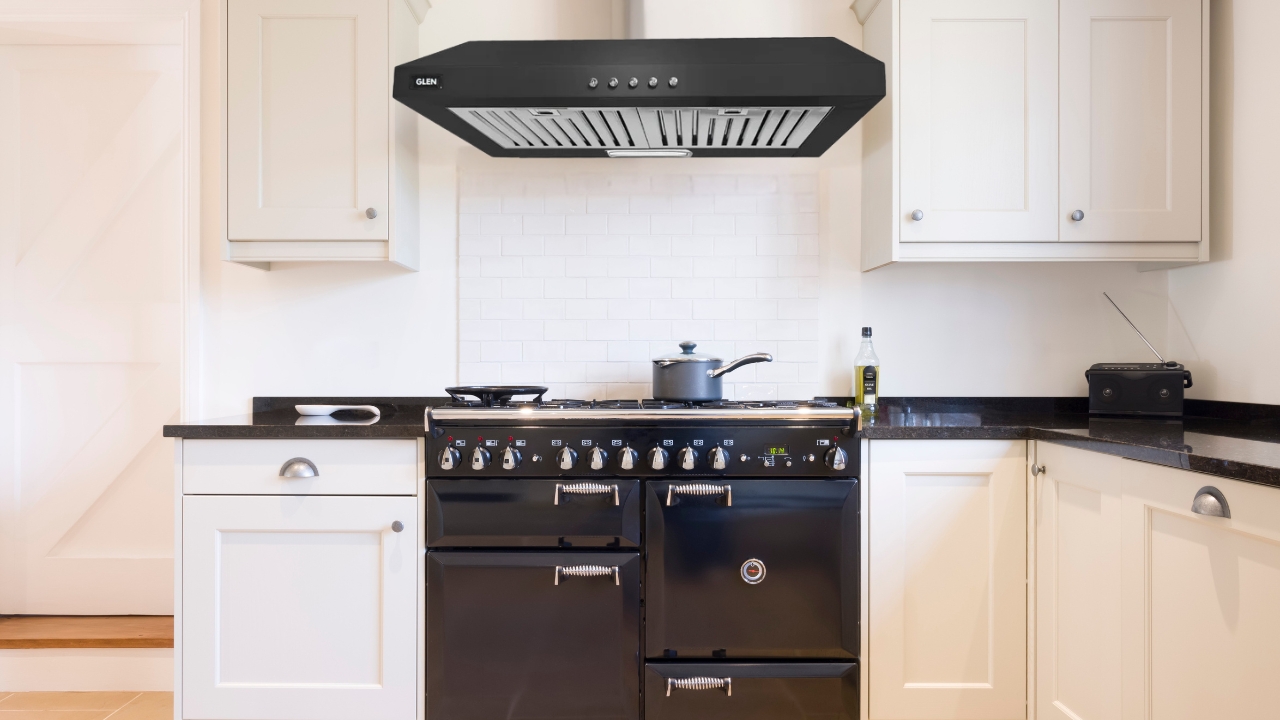
Credits: Glen India
Because installing a long duct to the outside can be impractical for those living in flats or rented apartments some mothers choose ductless chimney systems which cleanse the air through carbon filters. Understanding the advantages and disadvantages of each chimney type helps you either select the best option or manage your current one more effectively.
Ducted Chimneys
- Pros: Ducted chimneys produce stronger suction and more effectively remove both smoke and odors while requiring fewer filter changes when equipped with a baffle filter.
- Cons: The installation of ducted chimneys needs an external route for exhaust which creates difficulties in some kitchen designs.
Ductless Chimneys
- Pros: Ductless Chimneys offer flexible installation options which are ideal for kitchens lacking external wall access.
- Cons: The carbon filters need regular replacement and the ductless chimney performs moderately in eliminating strong smells from spicy masalas and fish fry.
Mom perspective
The right choice for kitchens that frequently prepare fried dishes or heavily spiced meals is a ducted chimney system. When your kitchen design prevents ducted chimney installation a ductless chimney remains effective with regular maintenance.
Monitor your carbon filters regularly to replace them according to the recommended schedule.
Hack 4: Choose Appropriate Oils and Cooking Methods to Maintain the Efficiency of Your Chimney
The choice of cooking oil affects the rate at which your chimney’s filters become blocked. Certain oils begin smoking at lower temperatures which results in increased fumes.
Practical suggestions
- Switch to High Smoke-Point Oils: By cooking with high smoke-point oils such as rice bran, sunflower, or canola you’ll notice less visible smoke.
- Control the Flame: Avoid cooking at too high a flame if unnecessary since it produces more smoke and splattering. Use the high flame setting only for quick searing or making tadkas.
- Use Lids: Keep your pans covered when you deep-fry food or simmer gravy for extended periods. Using lids while cooking minimizes oil deposits in both your kitchen and chimney.
Time-saving tip
A cleaner kitchen results from reducing smoke at its origin. You will need to clean filters less often while gaining extra time for self-care or activities with your children.
Hack 5: Activate the Chimney for a Minute Before Cooking Begins and Continue Running It for Another Minute After Cooking Has Finished

Credits: Glen India
When their kitchens become smoky, busy moms activate the chimney. Initiating the chimney’s airflow as you cook helps it catch smoke and odor particles from the beginning. Operating it briefly after cooking assists you in eliminating any remaining airborne particles.
Implementation
- Preheating: Activate your chimney airflow by turning it on for one to two minutes before you set your pan on the stove. This primes the suction system.
- Post-Cooking: Run the chimney for 2–3 more minutes after cooking ends. The post-cooking operation addresses any remaining steam and masala fumes as well as leftover smells.
Mom-friendly benefit
By preventing smoke from entering the house you eliminate those "Oh, the sabzi is burning!" interruptions from your kids or spouse in the living room. It also means a fresher kitchen overall.
Hack 6: Master the Speed Settings
Multiple speed settings including low, medium, high and occasionally an automatic function are standard on contemporary chimney models. Effective suction and electricity savings result from using the appropriate chimney speed settings.
How to decide
- Low Speed: When warming milk or boiling water for chai the low speed suffices because minimal steam doesn’t require heavy-duty airflow.
- Medium Speed: For standard cooking tasks such as preparing dal or sautéing vegetables medium speed settings work well.
- High Speed: High-speed setting works best for deep-frying pooris and fish fry as well as making a powerful tadka which produces lots of smoke and fumes.
Helpful note
You may not need high speed operation at all times because it produces excessive noise. By adjusting exhaust fan speeds to match cooking tasks you can prolong the chimney’s functionality while maintaining a quieter kitchen environment.
Hack 7: Indian Kitchens Benefit Immensely from Using Baffle Filters

Credits: Glen India
The preparation methods of Indian cooking require extensive use of masalas and frying with frequent tadka preparation. Baffle filters, designed with overlapping panels, force grease-laden air to change direction multiple times, trapping grease effectively without blocking airflow as quickly as mesh filters do.
Mom’s perspective
- Less Frequent Cleaning: Baffle filters require less regular cleaning because they stay clean longer than other types which helps when you have many responsibilities.
- Cost-Effective: The initial purchase cost of these products is higher but their long-term durability and efficiency help you save on maintenance efforts and service expenses.
Pro Tip
Perform monthly inspections on baffle filters to ensure they remain clean. To ensure optimal performance wash baffle filters thoroughly anytime you notice visible grease buildup.
Hack 8: Perform Easy Filter Maintenance at Home by Using Basic Household Items
Although regular cleaning is essential you don't need to buy costly specialized products for the task. The essential household items white vinegar, baking soda, and lemon which you keep in your kitchen can turn into your chimney cleaning allies.
Step-by-step
- Remove the Filters: Before you remove filters always make sure the chimney is turned off and cooled down.
- Soak in Hot Water: Prepare hot water in a sink or bucket then mix in dishwashing liquid followed by a cup of vinegar and two tablespoons of baking soda.
- Scrub Gently: Stubborn grease will release when scrubbed with a soft brush or sponge. Do not use steel wool because it could cause scratches to the surface.
- Rinse & Dry: Run them under water until clean then air-dry fully before putting them back.
Mom-friendly hack
Should life interrupt your schedule such as assisting children with homework or managing sudden visitors, extend the soaking time for the filters. This solution breaks down grease continuously so you spend less time scrubbing.
Hack 9: Clean the Chimney’s Oil Collector Tray Regularly
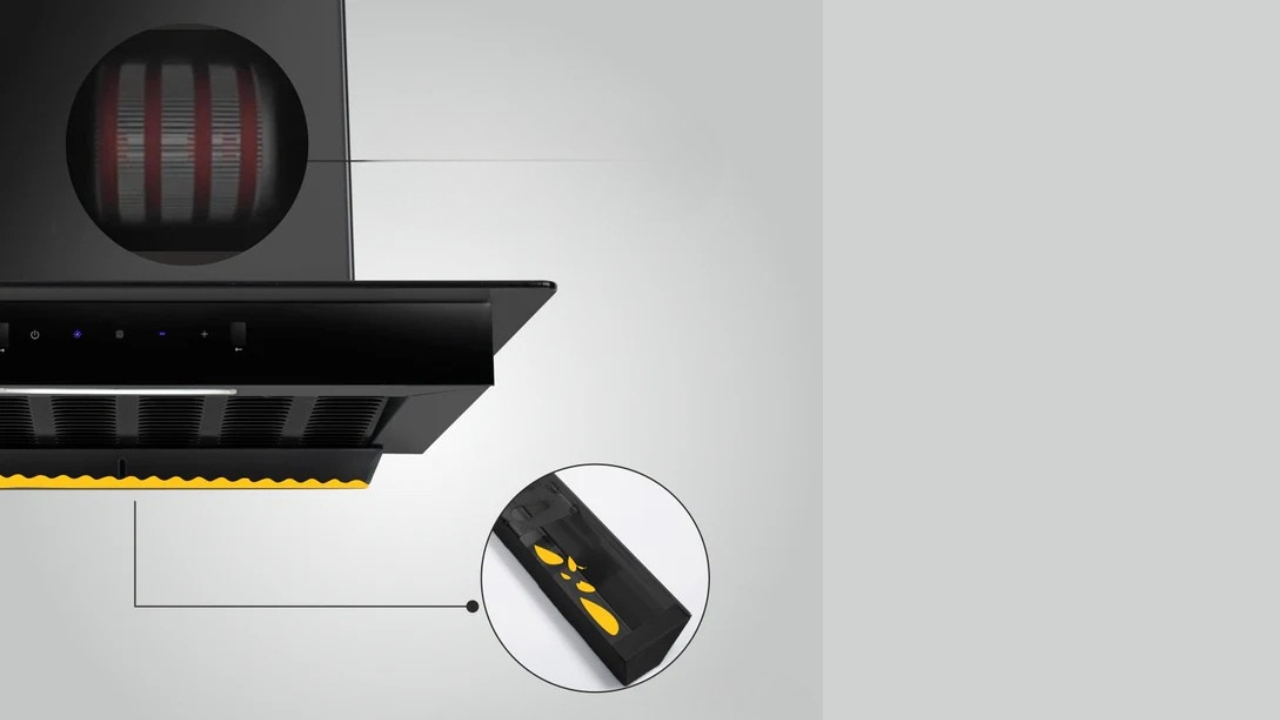
Credits: Glen India
The oil collector tray is where all the grease and grime from cooking settles, so it’s essential to keep it clean. Neglecting this part of your chimney can lead to reduced suction and foul odors.
How to clean it
- Remove the Tray: Check your chimney’s user manual to locate and remove the oil collector tray.
- Soak and Scrub: Soak it in warm water with a degreasing agent or dishwashing liquid for a few hours. After soaking, use a brush to scrub away any remaining grease.
- Dry Before Reattaching: Once clean, ensure the tray is completely dry before placing it back to avoid any moisture build-up.
Time-saving tip
Clean the oil collector tray once every two weeks to ensure smooth airflow and prevent the accumulation of grease. This helps to keep the kitchen odor-free and enhances the chimney’s performance.
Hack 10: Prevent Soot Accumulation by Regularly Cleaning the Chimney Duct
Chimney ducts can accumulate soot, which not only obstructs airflow but also increases the risk of fire. Regularly cleaning the duct ensures that your chimney works efficiently and safely.
How to clean the duct
- Check for Blockages: If your chimney doesn’t seem to be sucking in air as effectively, it may be time to clean the duct.
- Hire a Professional: Due to the complexity of cleaning the duct, it’s advisable to call in a professional chimney cleaner who can clean the duct without damaging it.
- DIY Method (If Accessible): If you can access the duct, use a long brush or vacuum cleaner with a hose attachment to remove soot and debris.
Mom-friendly advice
If you live in a busy household or have limited time, consider hiring a professional to clean the duct annually. This way, you avoid clogging issues while freeing up time for more important tasks.
Hack 11: Keep the Chimney’s Exterior Clean
Keeping the outside of the chimney clean can help maintain its sleek, modern look while also preventing dust build-up that could block airflow. Regular cleaning of the exterior is as important as maintaining the filters and ducts.
Steps to clean the exterior
- Use a Soft Cloth: Wipe down the exterior using a soft cloth or microfiber towel to remove dust and grease from the surface.
- Avoid Abrasives: Do not use harsh abrasive cleaners as they could scratch the surface. Stick to mild detergents and a damp cloth.
- Polish for Shine: After wiping, you can use a stainless steel cleaner to maintain its shine and prevent water marks or smudges.
Pro Tip
Keeping the exterior clean gives your kitchen a polished look and ensures that your chimney stays free from external grime, which can affect its performance.
Hack 12: Opt for Automatic Cleaning Features (If Available)
Some modern chimneys come with an automatic cleaning feature that makes maintenance easy. These chimneys periodically clean the filters and remove grease, significantly reducing manual cleaning time.
How to use the automatic cleaning feature
- Check for Compatibility: Before buying, check if your chimney model supports automatic cleaning features.
- Activate Regularly: If available, set the automatic cleaning feature to run periodically (usually once a week) to maintain peak performance.
- Manual Back-Up: If automatic cleaning doesn’t remove all the grease, you can still manually clean the filters and oil collector tray.
Time-saving benefit
With automatic cleaning, you don’t have to worry about grease buildup and can spend more time cooking or relaxing. However, make sure to monitor the chimney’s performance to ensure the automatic cleaning feature is functioning correctly.
Hack 13: Be Mindful of Cooking Habits to Keep Your Chimney in Tip-Top Shape

Credits: Canva
Your cooking habits play a significant role in how well your chimney performs. Small changes to your cooking methods can help reduce wear and tear on your chimney.
Cooking habits to adjust
- Avoid Overheating Oils: Overheating oils can produce smoke and cause more grease to accumulate in the chimney. Always heat oil gradually.
- Limit Heavy Frying: Deep frying and making rich gravies with excessive oil can create more grease than necessary. Try to moderate the use of oil in your cooking to reduce chimney maintenance.
- Cook with Lids On: Whenever possible, cook with lids on your pans to reduce steam and grease dispersion.
Pro Tip
Adapting your cooking style helps in maintaining your chimney, preventing excessive grease accumulation and reducing the frequency of cleaning required. This is particularly helpful when juggling busy kitchen tasks.
Hack 14: Replace Filters and Parts Regularly
As time goes by, filters and parts like the fan or motor of your chimney may begin to degrade or lose effectiveness. Regularly replacing these components ensures your chimney works at its best.
What to replace and when
- Filters: If your chimney uses a mesh filter, you should replace it every 3 to 6 months. Baffle filters may last longer but should still be cleaned frequently.
- Fan/ Motor: If you notice a significant drop in suction power or unusual noise, it may be time to replace the fan or motor.
- Carbon Filters (for Ductless Models): These should be replaced every 6 months or as recommended by the manufacturer.
Mom's Tip
Set reminders on your phone to replace filters and components regularly to avoid the hassle of low suction power or costly repairs down the line.
Hack 15: Schedule Annual Professional Servicing

Credits: Canva
Even if you maintain your chimney well, an annual professional servicing ensures everything is working at peak efficiency. Experts can clean and check areas that are difficult to access.
What happens during a professional servicing
- Comprehensive Cleaning: The technician will clean all parts of the chimney, including the motor, ducts, and filters.
- Check Functionality: They will inspect the motor, check for any wear and tear, and ensure that everything is functioning as it should.
- Prevent Future Problems: A professional servicing can help detect any potential problems before they become significant issues.
Pro Tip
Schedule professional servicing at the start of the season or after heavy cooking periods. This ensures your chimney is fully prepared for the coming months of cooking.
Hack 16: Keep the Chimney Duct Clean
Whether you have a ducted or ductless chimney, the duct pipe can sometimes become clogged with grease and other debris over time, reducing the chimney’s efficiency. A clogged duct can cause smoke to flow back into your kitchen, defeating the purpose of having a chimney.
How to clean the duct:
- Disconnect the Power: As always, turn off the power supply before cleaning.
- Check for Clogs: Look inside the duct pipe to see if there’s any buildup. You can use a flexible rod to gently push out any blockages.
- Hire a Professional: If the duct is long or difficult to reach, it might be best to call a professional to ensure the duct is thoroughly cleaned.
Moms’ tip:
You’ll know the duct needs cleaning if you start noticing a smoky smell in your kitchen or if the chimney’s suction drops drastically. Prevent this by scheduling duct cleaning at least once a year.
Hack 17: Keep Your Chimney Hood Clean
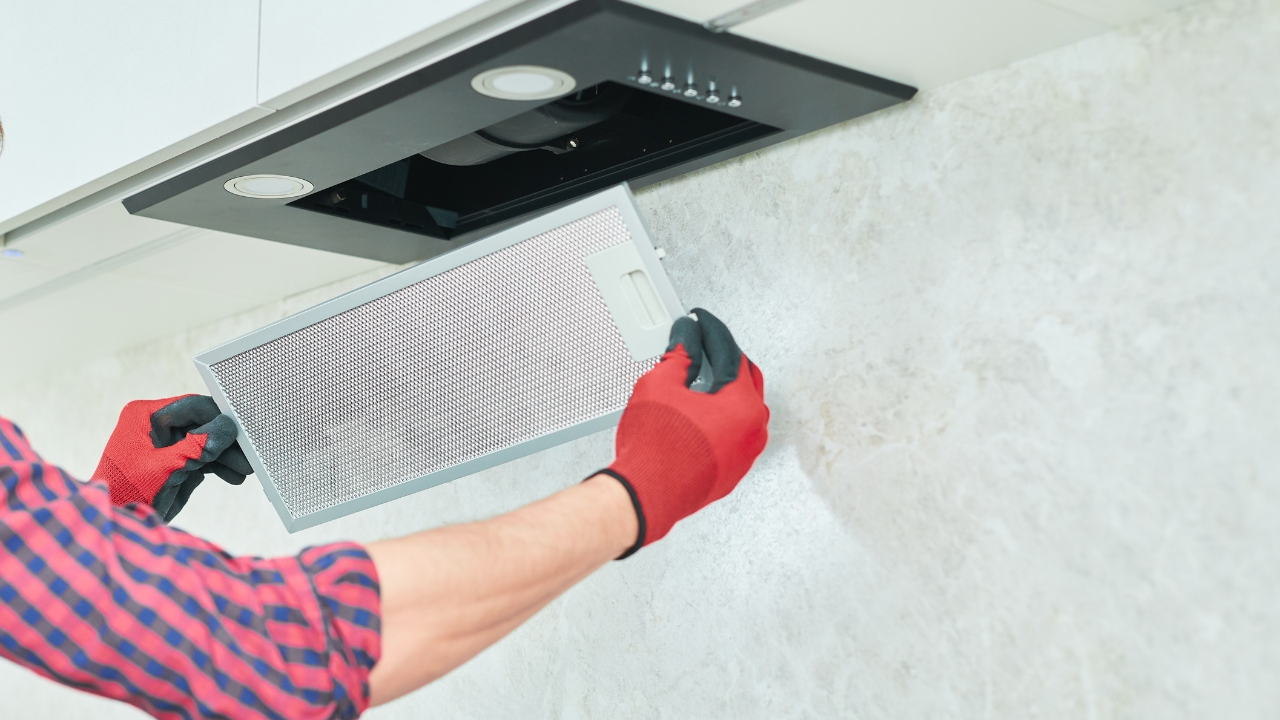
Credits: Canva
The chimney hood collects all the greasy particles and dust floating in the air. Over time, it can accumulate thick layers of grease, which affects both the performance and aesthetics of the chimney.
How to clean the hood:
- Use Degreaser: Spray a degreaser on the hood and let it sit for 5-10 minutes to break down the grease.
- Wipe with a Microfiber Cloth: After the grease loosens, use a microfiber cloth to wipe the surface clean. For stubborn grease, use a mixture of baking soda and water.
- Polish the Surface: After cleaning, polish the hood to restore its shine.
Why this is helpful:
Regular cleaning ensures that the grease doesn’t get into the internal parts of the chimney, preventing unnecessary wear and tear. It also keeps your kitchen smelling fresh and looking neat.
Hack 18: Use a Chimney Filter Cleaner Spray
To keep the filters in top condition, consider using a special filter cleaner spray. This spray helps break down grease and oil that collects in the filter.
How to use:
- Spray on Filter: Remove the filter and spray the cleaner directly onto it. Let it sit for a few minutes.
- Wipe with a Cloth: Wipe off the grease and grime with a soft cloth. You can also soak the filter in warm water if necessary.
- Reinstall: Once the filter is clean and dry, reinstall it in the chimney.
Moms’ hack:
Filter cleaner sprays are a quick solution to deep clean your chimney filters between regular cleaning sessions. Keep one in your kitchen for a fast refresh when needed.
Hack 19: Ensure Proper Ventilation in Your Kitchen
Sometimes, the problem isn’t with the chimney itself but with the kitchen’s overall ventilation. Poor air circulation in the kitchen can make it difficult for the chimney to function optimally.
How to improve ventilation:
- Open Windows: If possible, open windows to let fresh air in while cooking.
- Use Exhaust Fans: In addition to the chimney, exhaust fans can help clear out fumes quickly.
- Avoid Blockages: Ensure that furniture or other kitchen items don’t obstruct airflow.
Why this works:
When there is good airflow, the chimney works less hard to suck in smoke and steam. This prolongs the life of the chimney and keeps your kitchen smelling fresher.
Hack 20: Schedule Annual Servicing
Even if you maintain your chimney regularly, it’s still a good idea to schedule professional servicing at least once a year. A technician can inspect the internal components, clean the motor and fan thoroughly, and ensure everything is working at optimal performance.
What the technician checks:
- Motor Functionality: Ensuring the motor isn’t overworking or facing any issues.
- Cleaning: Professional cleaning of the motor, fan, and filters.
- Suction Power: Checking that the suction power is as effective as it should be.
Final tip for busy moms:
A professional servicing every year saves you from bigger repairs later. It’s an investment that ensures your kitchen remains free from smoke, grease, and odors.
Hack 21: Air Out Your Kitchen Naturally

Credits: Glen India
Natural air circulation makes your kitchen smell great and works better when you open windows along with your chimney.
We own a chimney, yet running an exhaust fan together with opening a window can alleviate your chimney's burden. The kitchen becomes more comfortable when fresh air flows through the space.
Easy steps:
- Crack Open a Window: When cooking something that produces a lot of smoke like a heavy tadka in hot oil, make sure some of the smoke escapes through an open window.
- Ceiling or Exhaust Fan: Activate your ceiling or exhaust fan to boost ventilation but avoid using a high-speed fan to target your stove since doing so may direct smoke away from the chimney.
- Cross Ventilation: Make sure to implement two separate airflow sources in your kitchen, if the layout permits, to promote cross ventilation.
Mom angle:
This method makes the kitchen comfortable throughout summer months and humid monsoon periods when stuffiness builds up. Cooking becomes less tiring when you introduce fresh air into your kitchen.
Hack 22: Manage Moisture and Steam
A lot of Indian mothers prepare steam-intensive recipes such as idlis, steaming rice, and pressure-cooked dal. Too much steam will generate condensation on chimney hoods and adjacent surfaces, which results in damp areas and rust development over time.
Preventive measures:
- Use Lids: Trap steam during water boiling or rice cooking by covering pots with lids. Open them from time to time to allow the chimney to remove the additional steam.
- Position Pots Properly: Align your steamer or cooker so it sits directly underneath the chimney.
- Wipe Condensation: Remove any droplets on the hood as soon as you see them to avoid water spots and rust buildup.
Mom benefit:
When you lower moisture levels in your kitchen, you reduce rust development on the chimney and mold growth in kitchen corners. A dry kitchen is healthier for little ones who move around it.
Hack 23: Stay Vigilant for Any Strange Odors Near Your Chimney
Strange odors can occasionally come from your chimney that resemble a burnt smell or a musty odor. Strange odors from your chimney could indicate accumulated grease, a clogged filter, or possible electrical problems.
What to do:
- Check the Filters: Perform a quick sniff test to determine if old grease buildup is causing your chimney's strange odor. Clean them thoroughly.
- Inspect for Drips or Spills: Spills on the stove can heat up and generate strange smells, which then spread via the chimney.
- Turn Off and Check Wiring: If the smell resembles burning plastic, turn off the appliance right away and contact a professional. This might be an electrical issue.
Mom-friendly approach:
Monitor your chimney’s operation regularly through visual and olfactory checks. Identifying problems early helps avoid more serious issues and expensive fixes later down the road.
Hack 24: Position Your Spice Rack and Storage Areas in Locations That Do Not Face the Chimney
Many Indian kitchens place their spice rack immediately next to the stove to make spices easily reachable. Items positioned nearer to the stove will more easily gather greasy smoke residue because the chimney fails to capture all the smoke particles.
Arrangement tips:
- Keep Essential Spices Handy: Position everyday spices like jeera, haldi, and mirchi powder near the stove but outside of the direct splash zone of the chimney.
- Use Cabinets with Doors: Protect upper shelves above your chimney with doors or shutters to shield them from greasy smoke.
- Regular Rotation: When you notice grease building up on a jar's exterior, quickly wipe it before returning it to its place.
Benefit:
This simple organizational method keeps your masala dabba and jars cleaner while reducing the time needed to scrub sticky areas. It also stops your pantry items from developing stale, oily odors.
Hack 25: Maintain Clear Counters in Your Kitchen Environment

Credits: Glen India
When kitchen counters become cluttered, airflow around the stove becomes restricted, which affects the chimney's ability to draw smoke away. Having more items on the counter increases the number of surfaces where grease can collect.
Decluttering plan:
- Store Appliances: Do not leave your toaster and blender out if they are not used daily; instead, store them inside a cabinet.
- Use Wall Hooks or Racks: Mount wall hooks or racks to hang tools like ladles and spoons, which will clear your counter space.
- Only Essentials on the Counter: Limit your counter space to cooking oil bottles, salt, and some frequently used spices. Store all non-essential items in a drawer or cupboard.
Mom-friendly payoff:
Your kitchen appears more spacious and well-organized when the counter remains clean and free from clutter. This environment also supports optimal chimney function. After you finish cooking, you can quickly wipe down your surfaces without any hassle.
Bonus Tips and Reminders
Be Mindful of Monsoon Dampness: When you live in humid areas, grease tends to build up quickly, so you should schedule additional cleaning sessions.
Watch Out for Pest Infestations: The heat from the chimney motor attracts small insects and cockroaches because they find it warm.
Clean your chimney regularly and operate it occasionally even when you're only using it to heat milk. Pests avoid settling because of the movement and minimal noise emitted.
Keep a Spare Filter Set: An extra filter set lets you change baffle filter chimneys fast without waiting for drying.
A Final Word (and a Quick Recommendation)
Glen India’s Chimneys presents top-notch choices for anyone thinking about installing a new chimney or upgrading their current one. Glen India’s Chimneys specialize in making chimneys designed for Indian cooking methods which feature strong suction capabilities alongside durable baffle filters and designs that busy mothers will find easy to use. Review their product range to discover the ideal chimney solution for your kitchen requirements.
Your kitchen acts as your home's central hub, which remains clean and functional through proper chimney maintenance.
May everyone experience delicious dishes and minimal smoke while their kitchen remains fresh and inviting as every Indian mother should have!
Leave a comment