




Best Practices for Installing Straight Line Chimneys
Congratulations on your decision to install a straight-line chimney! This essential kitchen appliance ensures a smoke-free, odor-free, and germ-free cooking environment.
However, even the best chimney won’t deliver optimal performance if it’s not installed correctly. Proper installation guarantees efficient operation, durability, and safety.
Whether you’re a DIY enthusiast or hiring a professional, this guide will walk you through the installation process.
Why Installation Matters?
Credits: Glen
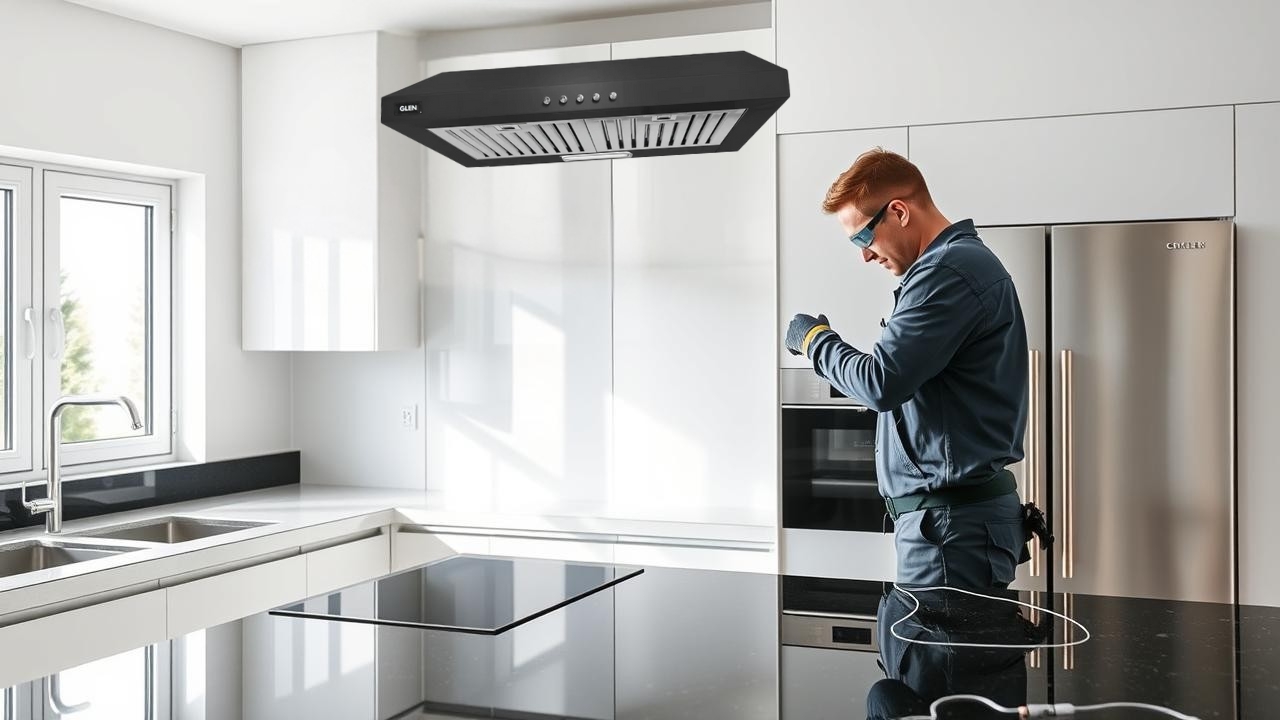
Improper installation can lead to several problems, such as reduced suction power, noisy operation, poor ventilation, or even safety hazards. Correct installation ensures:
- Exceptional Efficiency: Removes smoke, grease, and odors effectively.
- Durability: A well-installed chimney lasts longer with fewer maintenance issues.
- Safety: Prevents leaks and ensures secure mounting.
Pre-Installation Checklist
Credits: Glen
Before you begin, make sure to prepare with these steps:
1. Choose the Right Location
- Position the chimney directly above the hob or stove for optimal performance.
- Ensure sufficient space around the chimney for proper ventilation.
- Avoid placing the chimney near windows or doors to prevent cross-drafts.
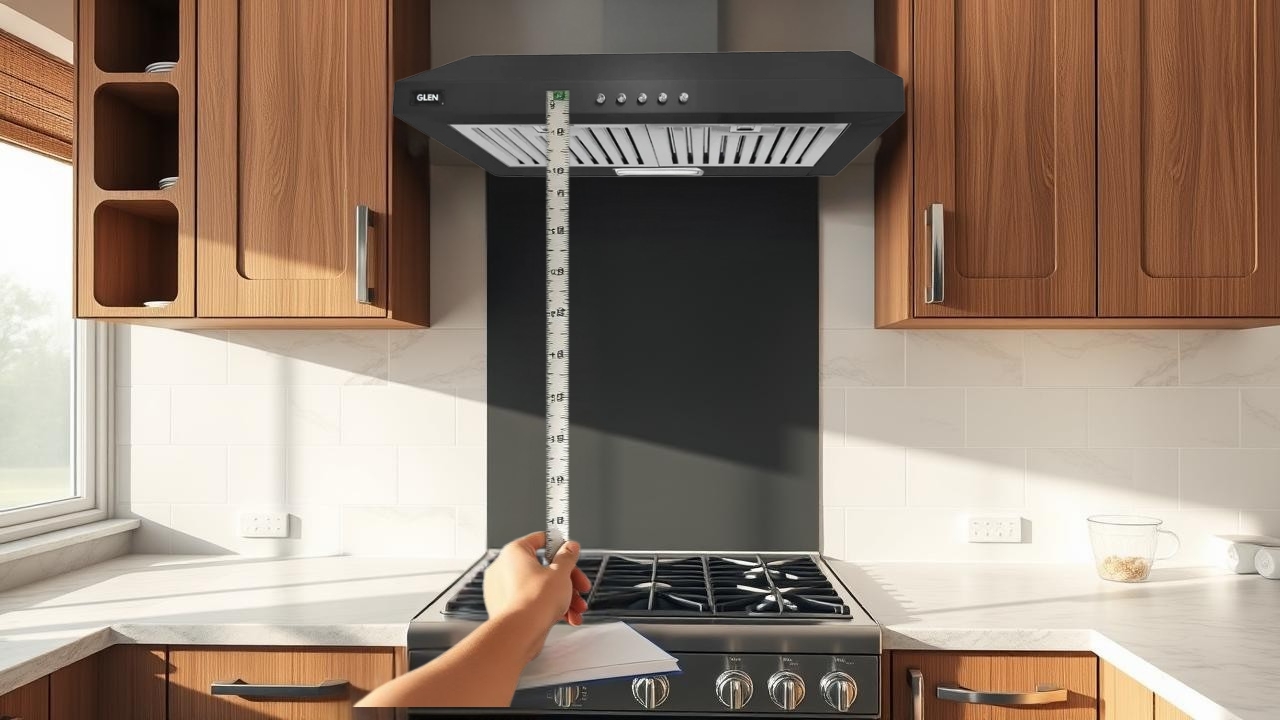
2. Measure the Space
- Match the chimney size (60 cm or 90 cm) to your stovetop dimensions.
- Maintain a distance of 24–30 inches between the hob and the chimney for safe and efficient operation.
3. Check Ventilation Requirements
- Decide between a ducted system (vents outside) or a ductless system (recirculates air with filters).
- For ducted chimneys, minimize bends in the ducting to enhance airflow.
- Ensure the wall or ceiling can support the weight of the chimney.
4. Gather Tools and Materials
- Tools: Drill, screwdriver, measuring tape, level, ladder.
- Materials: Wall plugs, screws, mounting brackets (typically included with the chimney).
Step-by-Step Installation Guide

Credits: Glen
Step 1: Unpack and Inspect
- Carefully unpack the chimney and check for damages or missing components.
- Read the manufacturer’s manual for specific instructions.
Step 2: Mark the Mounting Points
- Measure and mark the spot for mounting the chimney using a pencil and tape measure.
- Double-check alignment to ensure the chimney will be level with the hob.
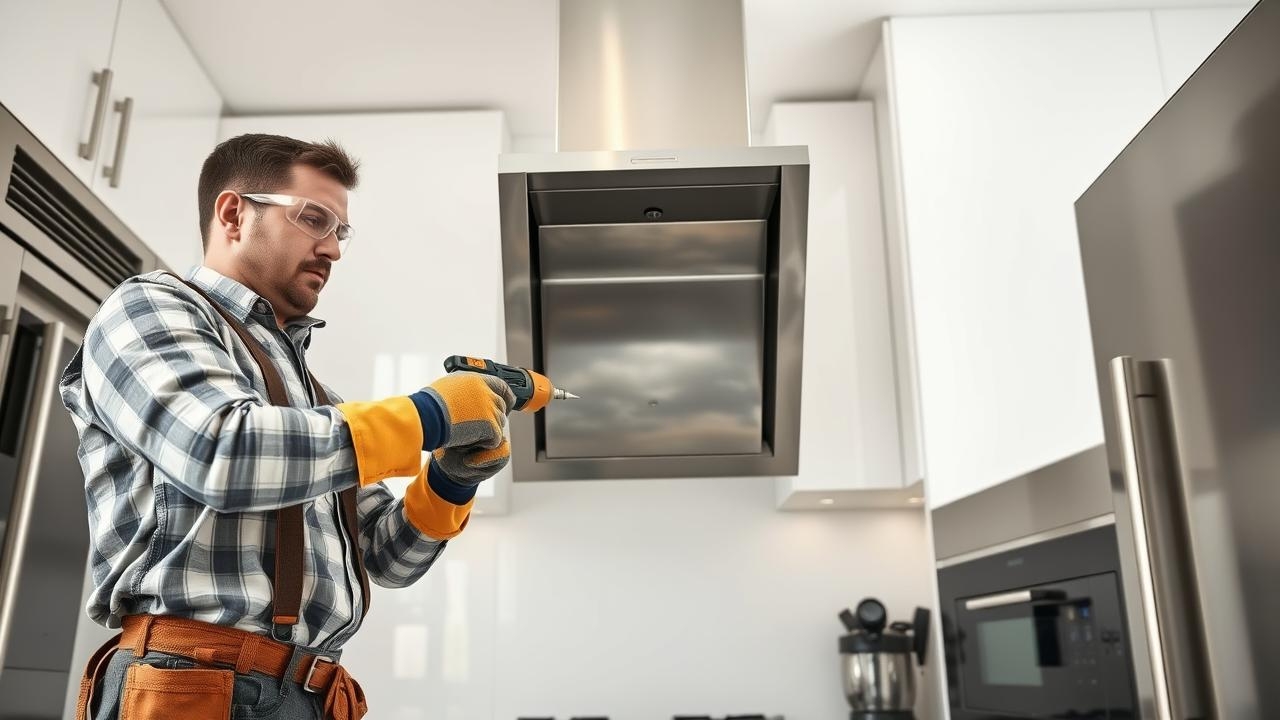
Step 3: Install the Mounting Brackets
- Drill holes at the marked points and insert wall plugs.
- Secure the mounting brackets to the wall with screws. These brackets will hold the chimney in place.
Step 4: Position the Chimney
- Carefully lift the chimney and attach it to the mounting brackets.
- Use a level to ensure the chimney is straight and aligned.
Step 5: Connect the Duct (For Ducted Chimneys)
- Attach the duct pipe to the chimney’s outlet and secure it with a clamp.
- Route the duct outside through a wall or ceiling. Seal the duct exit with silicone to prevent leaks.
Step 6: Power Connection
- Plug the chimney into a nearby power outlet. Ensure the outlet is properly grounded for safety.
Step 7: Test the Chimney
- Switch on the chimney and check the suction, lighting, and noise levels.
- Inspect for any unusual sounds or leaks in the ducting.
Common Installation Mistakes to Avoid
Credits: Glen
- Incorrect Height: Mounting the chimney too high reduces suction efficiency, while placing it too low is a safety hazard.
- Improper Ducting: Excessive bends or long duct runs can reduce suction power.
- Insecure Mounting: Ensure the chimney is firmly fixed to avoid accidents.
- Ignoring Ventilation: Even with a chimney, ensure proper ventilation in the kitchen.
Post-Installation Maintenance Tips
Credits: Glen
To keep your chimney running smoothly:
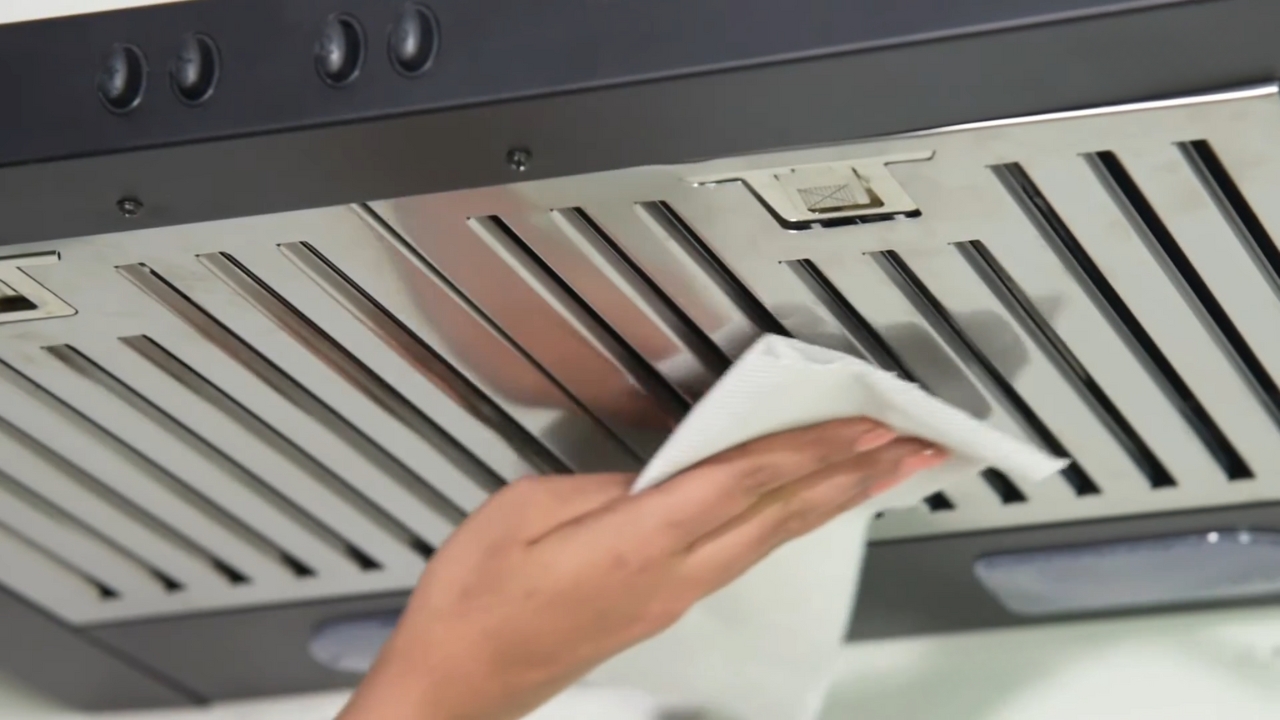
- Clean the Filters: Wash baffle filters every 2–3 weeks, or more frequently for heavy cooking.
- Inspect the Duct: Check the duct every few months for obstructions or leaks.
- Wipe the Exterior: Clean grease and dust from the chimney’s surface with a soft cloth.
- Utilize Auto-Clean Features: Many chimneys, like those from Glen India, come with auto-clean technology for hassle-free maintenance.
Conclusion
Installing a straight-line chimney doesn’t have to be complicated. By carefully planning the location, ensuring proper ventilation, and following the step-by-step guide, you can enjoy all the benefits of a well-functioning chimney. For reliable and stylish options, Glen India offers a range of high-performance straight-line chimneys tailored to modern kitchen needs.
Ready to transform your kitchen? Explore Glen India’s collection and find the perfect straight-line chimney for your home today!
Leave a comment