


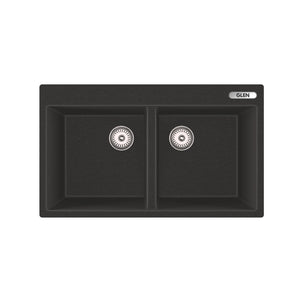


What is a built-in induction hob and how is it different from portable induction?
A built-in induction hob is permanently installed into the kitchen countertop, offering a seamless modular look. Unlike portable induction cooktops, it is designed for long-term use, better ventilation, higher power handling, and a more organized, clutter-free cooking space.
Why should I choose a built-in induction hob for Indian cooking?
Indian cooking involves frying, boiling, simmering, and multitasking daily. Built-in induction hobs provide faster heating, precise power control, cooler kitchens, and improved safety without open flames, making them suitable for frequent and intensive Indian cooking routines.
How many zones should I choose: 2-zone or 4-zone induction hob?
A 2-zone induction hob suits compact kitchens and light cooking needs, often paired with a gas hob. A 4-zone induction hob is ideal for larger families or users who cook multiple dishes simultaneously without compromising cooking speed or efficiency.
Does wattage or power level affect cooking performance?
Yes. Higher wattage allows faster boiling and quicker cooking, while multiple power levels help with slow simmering and controlled frying. Some induction hobs also offer a boost function for extra-fast heating when required for short durations.
What cookware is compatible with a built-in induction hob?
Induction hobs work only with induction-friendly cookware. Flat-bottom utensils ensure proper contact and efficient heating. Utensils with uneven or curved bases may heat poorly or fail to work, reducing cooking efficiency and performance consistency.
What installation and safety features should I check before buying?
Ensure correct countertop cut-out size, proper ventilation below the hob, safe electrical and earthing connections, and adequate clearance from cabinets. Essential safety features include pan detection, auto shut-off, residual heat indicators, and a child lock for daily safety.