




Buying Appliances for the First Time? Should You Start with a Hob or a Chimney?
Setting up your own kitchen for the first time is genuinely exciting, but it can also feel a little overwhelming. Every decision seems to carry weight, from picking the right cookware to figuring out which appliances actually deserve a spot on your counter. And somewhere in the middle of all that planning, most people run into the same question: do you start with a built-in hob or a kitchen chimney?
Here is the thing that both matter. A kitchen built-in hob is where all the actual cooking happens, while a chimney for the kitchen keeps your space breathing easy, free from smoke, grease, and lingering smells. Together, they form the backbone of a modern, functional kitchen.
But when you are buying appliances for the very first time, knowing where to begin is not always obvious. In this blog, we will break down what each appliance does, which features are actually worth paying attention to, and how to decide between a built-in hob and a kitchen chimney when you are just getting started.
Built-In Hobs and Their Role in Daily Cooking
Cooking is really the heart of any kitchen, and that is exactly what makes a built-in hob such an important starting point. Unlike the traditional gas stoves that simply sit on top of your counter, built-in hobs are fitted directly into the kitchen platform itself. The result is a flush, streamlined cooking surface that just looks and feels more put-together.
A kitchen built-in hob is not just about good looks, though. It genuinely makes everyday cooking easier. Because it sits level with the countertop, it fits naturally into modular kitchen setups and keeps the workspace feeling open and uncluttered.
There is also a lot of flexibility with built-in hobs. Multiple burner options mean you can have several pots going at once without everything feeling cramped, something that makes a real difference in households where cooking involves more than one dish at a time.
● Durable Burners for Everyday Cooking
The burner system is honestly one of the most important things to look at in any built-in hob. Durable brass burners are built to distribute heat evenly, which means your cooking temperature stays consistent whether you are slowly simmering a sauce or quickly stir-frying vegetables.
Multi-burner configurations add to this efficiency by letting you handle multiple preparations at the same time. And sturdy pan supports make sure your cookware stays stable, even when you are working with heavier items like large pressure cookers or deep frying pans.
● Safety Features for Confident Cooking
Safety is something most of us do not think about until something goes wrong, and that is exactly why modern built-in hobs come with features designed to prevent those moments entirely.
A Flame Failure Device, or FFD, is one of the most reassuring of these. It automatically shuts off the gas supply if the flame goes out unexpectedly, so there is no risk of a gas leak going unnoticed. Precision gas valves also help you adjust flame levels smoothly and accurately, giving you better control over your cooking.
● Convenience and Kitchen Design
Beyond safety, modern in-built hob models are designed with everyday convenience in mind. Multi-spark auto ignition means you can light the burner with just a simple knob turn, no matches, no lighters, no fuss.
Toughened glass surfaces are another feature worth appreciating. They give the appliance a clean, modern appearance and are genuinely easier to wipe down after cooking.
If you are in the process of planning your kitchen, it is worth spending some time browsing built-in hobs online to compare layouts, burner configurations, and surface options before making a decision.
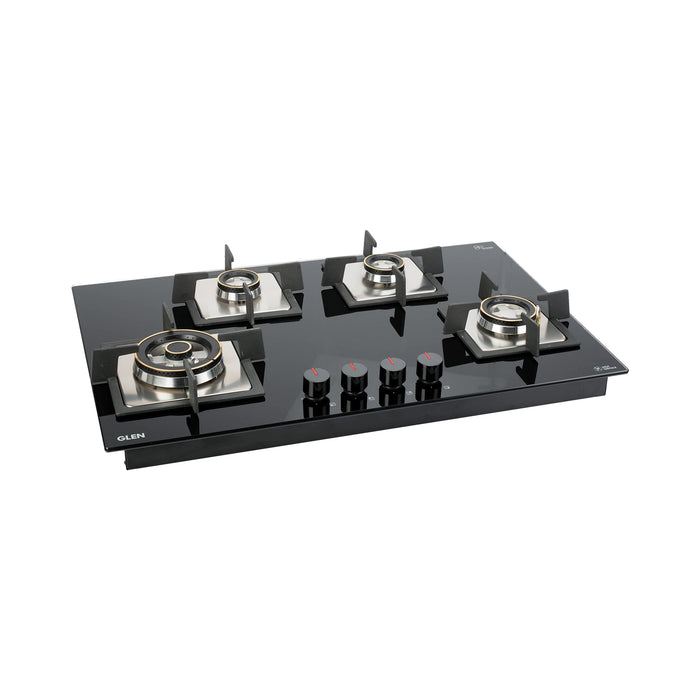
⚡ Product Link: Glen 4 Burner Built-in Glass Hob Top 1074 SQ HT DB TR FFD Flame Failure Device 77 cm
Kitchen Chimneys for Cleaner Cooking Spaces
If the hob is all about the cooking itself, then the kitchen chimney is all about making sure the experience stays pleasant. Anyone who has spent time frying, grilling, or cooking heavily spiced food knows just how quickly smoke and strong aromas can take over a kitchen.
A chimney for the kitchen solves exactly that problem. By actively pulling in smoke, steam, and oil particles from the cooking area, it keeps the air cleaner and stops grease from slowly coating your cabinets, walls, and surfaces. Over time, this makes a noticeable difference in how clean your kitchen stays overall.
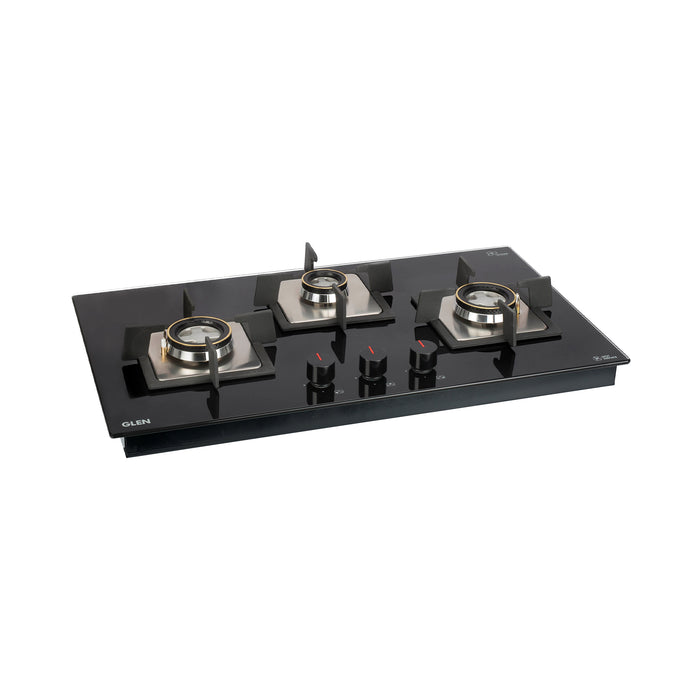
⚡ Product Link: Glen 3 Burner Built-in Glass Hob Top 1073 SQ HT DB FFD Flame Failure Device
For households that cook rich or oil-heavy meals regularly, a good kitchen chimney is less of a luxury and more of a practical necessity.
● Powerful Smoke and Grease Removal
The suction capacity of a chimney for the kitchen is arguably its most important specification. A chimney with strong suction can quickly clear out smoke and steam even during intense cooking sessions, keeping the kitchen comfortable and visibility clear.
● Filter and Filter less Systems
Modern kitchen chimneys generally come in two main types when it comes to how they handle grease and smoke. Baffle filters are a popular and reliable choice, particularly for heavy cooking. They are effective at trapping oil particles and preventing them from recirculating back into the kitchen air.
Filterless designs, on the other hand, are gaining traction among busy households because they require significantly less maintenance. Without filters to clean regularly, upkeep becomes much simpler over time.
● Smart Operation and Cooking Visibility
Many newer chimney models for the kitchen also come with thoughtful features that make daily use more intuitive. Touch panel controls let you adjust settings with ease, and motion sensor technology takes this a step further by letting you operate the chimney with just a hand gesture, no need to touch anything while your hands are busy cooking.
Built-in LED lights beneath the chimney are another small but genuinely useful addition, improving visibility over the hob and making it easier to keep an eye on what is cooking.
Here is the table for better understanding to know the key difference:
|
Feature |
Built Hob |
Kitchen Chimney |
|
Primary Function |
Cooking food using gas burners |
Removing smoke, grease, and cooking odours |
|
Placement |
Installed directly into the kitchen countertop |
Installed above the cooking area |
|
Main Benefit |
Provides a sleek and efficient cooking surface |
Keeps the kitchen air clean and smoke-free |
|
Key Features |
Brass burners, auto ignition, flame failure device, toughened glass surface |
High suction power, filter or filterless systems, motion sensor control, LED lighting |
|
Impact on Kitchen Design |
Creates a seamless modular kitchen look |
Improves ventilation and protects cabinets and walls |
|
When It Is Usually Installed |
During kitchen platform installation |
After the cooking area layout is finalised |
|
Role in Kitchen Setup |
Main cooking appliance |
Ventilation and air purification appliance |
Cost Factors to Consider Before Choosing a Kitchen Chimney
One of the first things most buyers look at when exploring options is the cost of kitchen chimney models available in the market, and it is a fair place to start. But it helps to understand what actually drives those price differences.
The kitchen chimney price is typically influenced by a combination of factors: suction capacity, the size of the chimney, the type of design, and the technology features included. A chimney with higher suction power or smart controls will generally sit at a higher price point, while more straightforward models tend to be more budget-friendly.
Design also plays a role in the price of chimney options you will come across. Curved glass models, straight-line designs, and advanced filterless systems each come with their own pricing structures, so it is worth knowing what you are comparing.
It is also worth thinking about long-term maintenance when evaluating kitchen chimney cost. Some systems are designed specifically to reduce cleaning effort over time, which can lower the overall cost of ownership even if the upfront price is slightly higher.
Rather than focusing purely on the number, comparing performance, durability, and usability alongside the kitchen chimney price will usually lead to a better decision.
Hob or Chimney- What to Install First in a New Kitchen?
If you are setting up a kitchen from scratch, this is a question that comes up almost immediately. The honest answer is that it usually depends on where you are in the planning process.
When designing a modular kitchen from the ground up, the kitchen’sbuilt-in hob typically comes first. The reason is straightforward that countertop dimensions and cut-out placements are planned around the hob's size and layout. Once the built-in hob is in place, the chimney for the kitchen can then be positioned directly above the cooking area to ensure the ventilation actually works as it should.
If your kitchen already has a cooking setup but the space constantly fills with smoke and smells, then prioritising the kitchen chimney makes complete sense.
At the end of the day, both appliances work best together. The built-in hob handles the cooking, and on the other side, the kitchen chimney handles the environment. One without the other leaves something to be desired.
Things to Look at Before Buying Cooking and Ventilation Appliances
Before you commit to any appliance, it is worth pausing to think through a few practical things.
For built-in hobs, start with the burner configuration. How many dishes do you typically cook at once? A hob with more burners gives you greater flexibility, especially in a household with bigger or more involved meals. Surface material is another factor; a kitchen built-in hob with a toughened glass finish is generally easier to clean and maintain after everyday cooking.
For chimneys, make sure the width and suction capacity are proportionate to your cooking surface. A chimney that is too small will not extract smoke efficiently, regardless of how powerful it is.
If you are still in the research phase, taking the time to compare specifications and features while browsing built-in hobs online is genuinely useful. It allows you to look at multiple options side by side and make a more informed choice before you buybuilt-in hobs online or head into a store.
Building a Balanced Cooking Setup
A well-functioning kitchen is really about balance. The built-in hob sits at the centre of your cooking, while the kitchen chimney works quietly in the background to keep the space comfortable, clean, and free from smoke and odours. Think of them as a pair rather than two separate decisions.
For homeowners who want appliances that bring together performance, safety, and modern design, Glen Appliances offers a well-curated range of kitchen chimneys and built-in hobs worth exploring. Taking the time to compare models and match features to your actual cooking habits and kitchen layout will always lead to a better outcome than picking something off a list.
FAQs
What is the difference between a built-in hob and a traditional gas stove?
A built-in hob is installed directly into the countertop, while a traditional gas stove sits on top of the kitchen platform.
Why is a kitchen chimney important for everyday cooking?
A kitchen chimney removes smoke, grease, and cooking odours, helping keep the kitchen cleaner and more comfortable during and after cooking.
What affects the cost of kitchen chimney models?
The cost of a kitchen chimney depends on suction capacity, design type, size, and the technology features included.
How do I choose the right chimney for the kitchen size?
The chimney for the kitchen should ideally match or be slightly wider than the cooking surface to ensure effective smoke removal.
What factors influence the kitchen chimney price?
The kitchen chimney price varies based on design, suction power, filter type, and the smart features on offer.
Is it safe to buy built-in hobs online?
Absolutely. Many homeowners prefer to buy built-in hobs online because it makes it easy to compare features, prices, and specifications at your own pace.
Are built-in hobs suitable for small kitchens?
Yes, built-in hobs work well in kitchens of different sizes and actually help create a cleaner, more space-efficient cooking area.
Leave a comment