




Cold Press Juicer vs Centrifugal Juicer: Which One Extracts Juice Better?
A well-equipped modern kitchen needs the right appliances to support a healthy lifestyle.
The choice of a proper juicer determines the quality nutritional content and taste of your freshly extracted daily juice.
The right appliance selection goes beyond brand choice because it determines the nutrient value you get from juicing along with your future satisfaction with your machine.
Often, we have questions like:
- Should you invest in a cold press juicer or go with a centrifugal model?
- Which juicer preserves more nutrients and enzymes?
- Which one is easier to clean and maintain over time?
This blog will examine the advantages, drawbacks, and key performance factors of both cold press and centrifugal juicers so that you can make an informed choice for your kitchen.
Understanding Cold Press and Centrifugal Juicers
1. Cold Press Juicer
Credits: Glen India
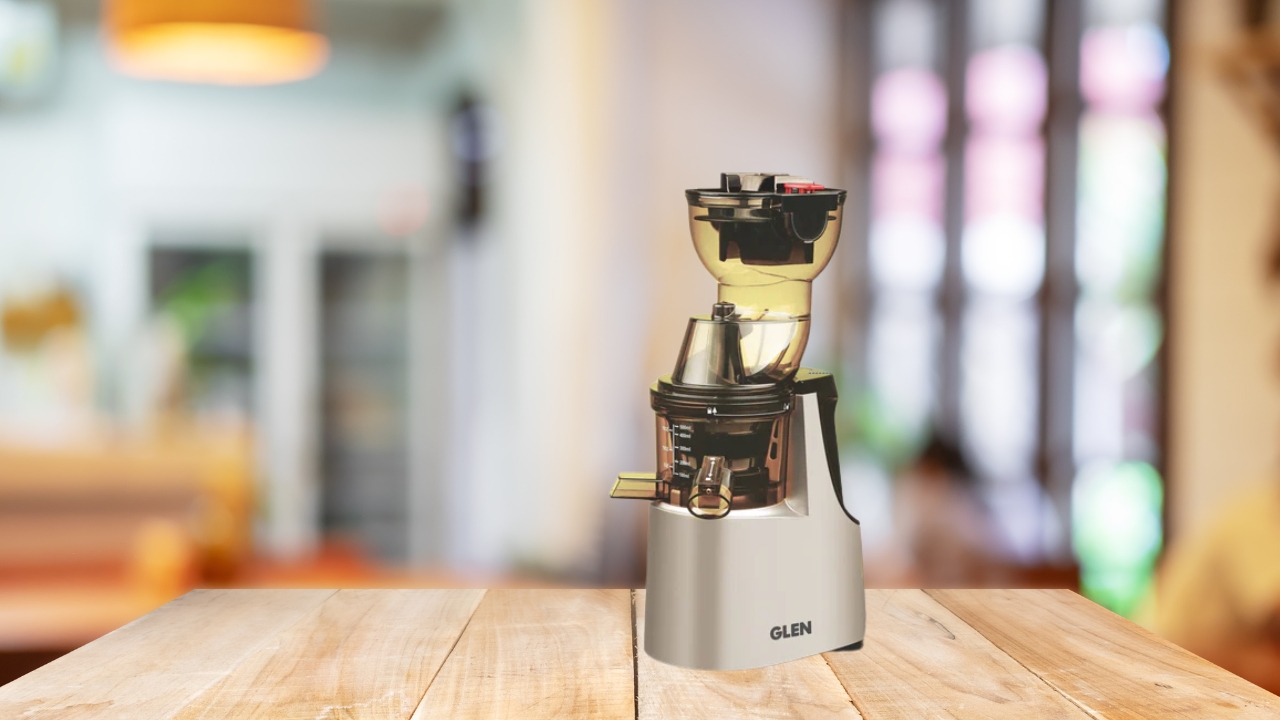
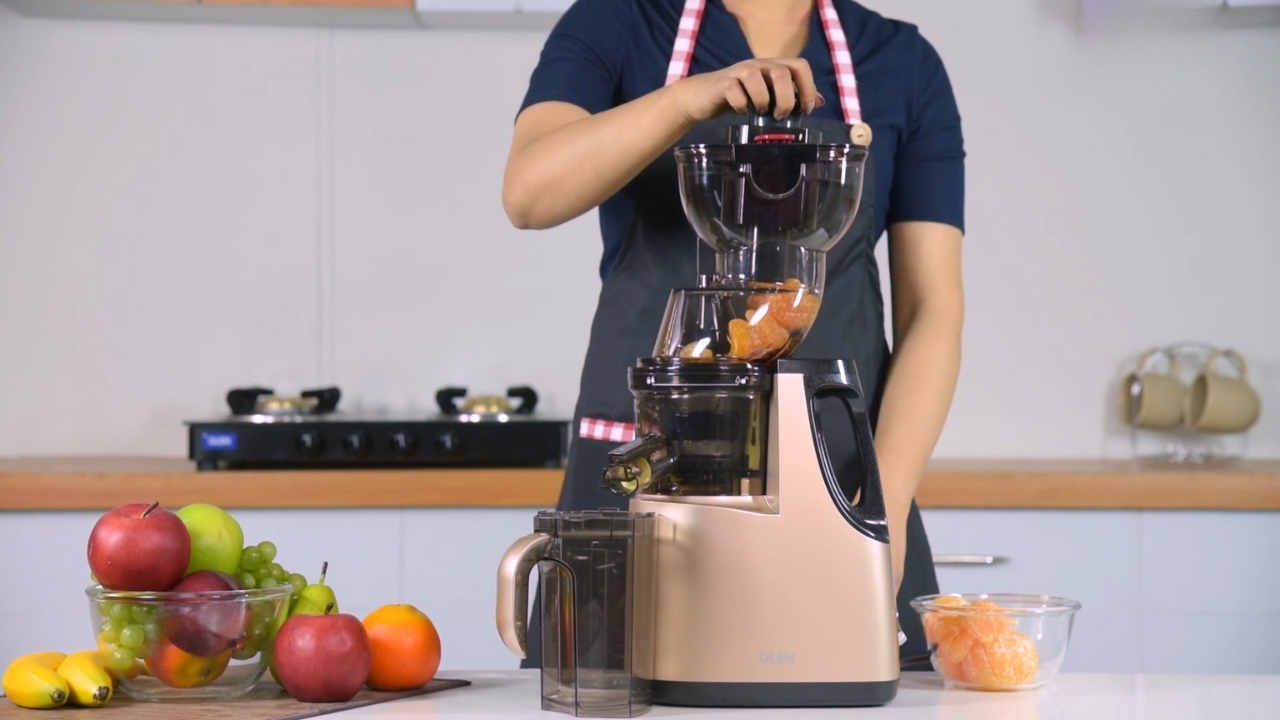
The cold press juicer (also known as a masticating or slow juicer) squeezes out juice by crushing different fruits and vegetables through compression. The juicing process at low speeds between 40-100 RPM produces minimal heat which ensures proper temperature preservation. The ability to preserve temperature represents an essential factor since heat-sensitive enzymes and nutrients remain intact.
Cold press juicers successfully separate juice from leafy greens, wheatgrass and herbs while centrifugal juicers normally fail to perform this task. When using this juicer it produces dry pulp which indicates better juice output and the extracted liquid stays fresh longer because of its reduced oxidation rates.
These juicing machines need more time for juice production along with extra counter space and expensive costs when compared to centrifugal machines.
2. Centrifugal Juicer
Credits: Glen India
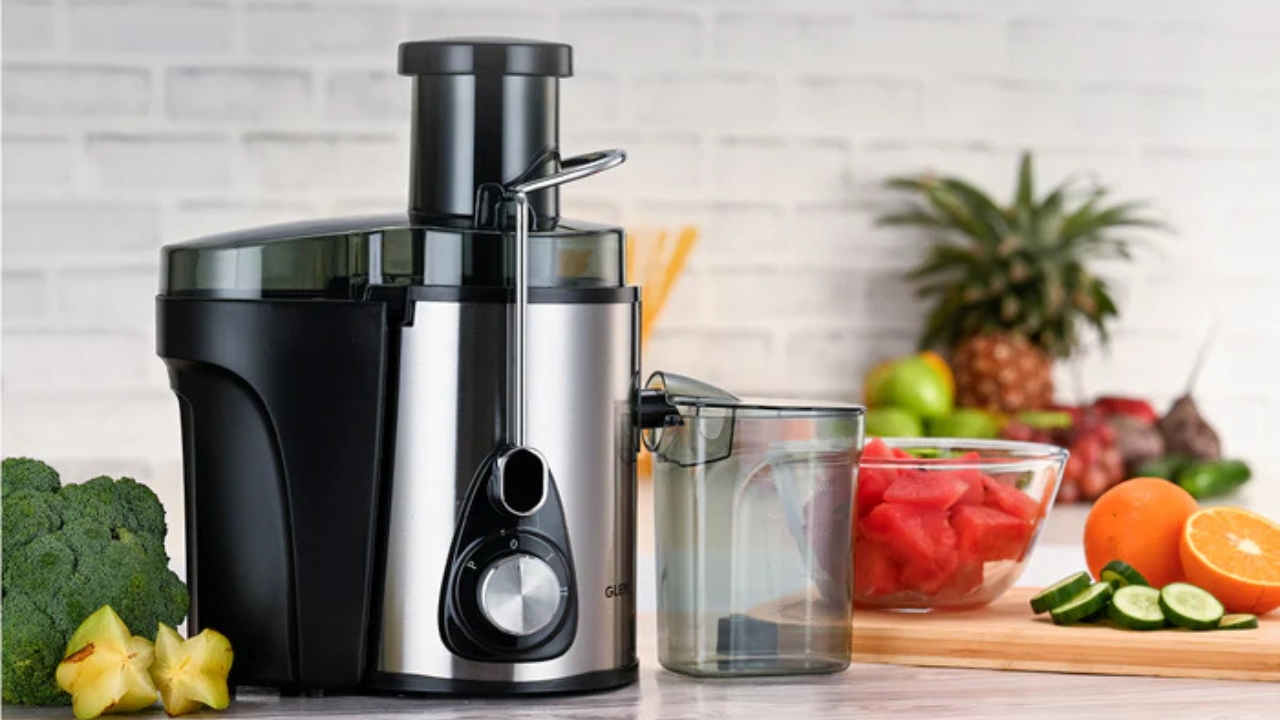
High-speed rotations (6,000-14,000 RPM) of centrifugal juicers shred food against mesh screens to extract juice from pulp by centrifugal process. These juicers offer swift operation and superior performance when processing hard fruits and vegetables at a lower price compared to cold press models.
Large-sized pieces of food can fit into their broad chute opening which shortens the preparation process. These juicers offer both convenient cleanliness and reduced size so they work well in small spaces and for occasional juice users.
During operation, these juicers produce heat that negatively affects enzyme activity and reduces the nutrient content of the juice. The juice extraction process using vertical slow juicers works best for hard fruits along with vegetables but not leafy greens or watery produce. This shows a lower level of efficiency during their extraction cycle.
Key Differences Between Cold Press and Centrifugal Juicers
To make your decision easier, here's a quick comparison between the two:
|
Feature |
Cold Press Juicer |
Centrifugal Juicer |
|
Juice Quality |
Higher nutrient retention, less oxidation |
Some nutrient loss due to heat and oxidation |
|
Speed |
Slow (5-15 minutes per juice) |
Fast (1-2 minutes per juice) |
|
Noise Level |
Quiet operation |
Louder, similar to a blender |
|
Yield |
Higher juice yield, drier pulp |
Lower yield, wetter pulp |
|
Versatility |
Handles leafy greens, soft fruits, wheatgrass |
Best for hard fruits and vegetables |
|
Shelf Life of Juice |
48-72 hours |
24 hours or less |
|
Price Range |
Generally more expensive |
More affordable |
|
Cleaning |
More parts, more time-consuming |
Fewer parts, quicker cleaning |
|
Size |
Typically larger, heavier |
More compact, lighter |
Which One Should You Choose?
Credits: Glen India
Your preference between cold press and centrifugal juicers depends on four main elements such as your lifestyle habits, your existing juicing routines, financial limitations and your desired health outcomes. Let's break it down to help you make an informed decision.
1. Health Benefits & Juice Quality
The nutritional content of your juice matters if health is your primary concern:
- Health enthusiasts would find the cold press juicer beneficial because it maintains the highest level of nutrients in their juice. The juice retains heat-sensitive enzymes and vitamins during slow extraction which extends shelf life to 72 hours and maintains higher nutritional value.
- Through fast rotation the centrifugal juicer produces beneficial juice yet manages to damage some enzymes because of the heat produced in its operation. Freshly squeezed juice through fast rotations has reduced shelf stability so it should be consumed quickly to guarantee maximum advantages.
2. Lifestyle & Convenience
Your daily routine and time constraints should influence your choice:
- A centrifugal juicer gives you fast juicing results because it completes operations in seconds rather than minutes when compared to regular juicers. The wider design of its feeding chute shortens the preparation time for fruits and vegetables during juicing.
- If you have more time to spare and value the meditative process of juicing, a cold press juicer might be more suitable. Though slower, the quality and yield can make the extra time worthwhile for dedicated juicers.
3. Budget Considerations
The investment varies significantly between the two types:
- Quality centrifugal juicers exist at budget-friendly prices through reputable brands which offer affordable price points for buyers. The juicers work well for those who only occasionally use their juicer.
- The greater initial cost of cold press juicers delivers better sustainability because they yield about 30% more juice and tend to survive longer. Daily juicing reduces the price for each serving although you will need to pay more initially.
4. Space & Noise Constraints
Practical considerations like kitchen space and noise sensitivity matter:
- A compact centrifugal machine could be the best choice for your kitchen because it requires less counter space and easily fits into storage positions.
- The quiet level of operation from cold press juicers (equal to regular conversations) suits shared living spaces and households with sleeping children.
5. Types of Produce You'll Juice
Credits: Glen India
Different juicers excel with different ingredients:
- Users who mostly juice items such as apples, carrots and beets using hard produce can succeed with either juicer type but centrifugals typically process items more rapidly.
- When your juice includes leafy greens or wheatgrass or soft fruits like berries then the cold press juicer will produce greater juice yield and deal with ingredients successfully.
Conclusion
Your selection between cold press and centrifugal juicers depends on your fundamental preferences regarding nutritional advantages, ease of use and total price alongside regular juicing products.
People who want to maximize nutrition yield together with versatility from their juicing process and are willing to spend more time and money should choose a cold press juicer.
You will benefit from a centrifugal juicer which provides speed and convenience at an affordable price to juice harder fruits together with vegetables.
Glen India provides multiple high-performance juicer types suitable for health-conscious individuals with different lifestyles and preferences.
Leave a comment