




DFVS Hob Technology Explained: A Complete Buying & Performance Guide for Modern Indian Kitchens
Table of Contents
- What is DFVS Technology in Built-in Hobs?
- How the Direct Flame Venturi System Works?
- DFVS vs Regular Burners-What's the Real Difference?
- Why Blue Flame Matters in Cooking Performance?
- Does DFVS Really Save Gas? Understanding Efficiency
- Is DFVS Good for Indian Cooking Styles?
- Key Features to Look for in a DFVS Hob
- How to Choose the Right DFVS Hob for Your Kitchen
- Installation Guide for DFVS Hobs in Indian Kitchens
- Safety Features in DFVS Hobs You Should Know
- Cleaning and Maintenance Tips for DFVS Hobs
- Is DFVS Hob Worth Buying in 2025?
- Ready to Switch? Choose a Smarter DFVS Built-In Hob
- FAQs
Modern kitchens are evolving fast, but one everyday frustration still lingers: uneven flames, slow cooking, and gas burning away for nothing. If you have ever watched curry, stuck to one side of the pan, or felt your oil just won't heat up fast enough, you are definitely not alone. That's exactly the problem DFVS hob technology was built to solve. More homeowners today are making the shift to a built-in hob with blue flame, not just for looks, but for better cooking, lower gas bills, and less stress in the kitchen.
What is DFVS Technology in Built-in Hobs?
DFVS stands for Direct Flame Venturi System, a smarter way of delivering flame by mixing gas and air in the right proportions before ignition. The result is a cleaner, stronger, and far more controlled flame than what you would get from a regular burner.
Unlike traditional burners, where gas and air mix at the point of burning (causing flickering and uneven heat), DFVS pre-mixes them through a Venturi-based channel inside the burner, forcing the flame to be focused, consistent, and efficient. Think of it like the difference between a garden hose spraying in all directions versus a pressure jet. Same input, very different output. This is now a defining feature of modern premium hobs for those who want performance without constantly adjusting their flame.
How the Direct Flame Venturi System Works?
DFVS hob technology is all about what happens before the gas ignites. Gas enters through a vertical inlet, meets incoming air, and the two mix inside a Venturi channel, so by the time ignition happens, combustion is already set up for success.
A gas hob with uniform heat distribution like this changes how you cook. The flame stays stable at low heat for simmering, spreads evenly across the pan base with no hot spots, and performs the same whether you are boiling on high or melting butter on low. For dishes that need consistency, thick gravies, slow dals, anything that punishes uneven heat, the difference is immediate.
DFVS vs Regular Burners-What's the Real Difference?
Regular burners work fine until they don't. Imprecise air-gas mixing leads to yellow or orange flames, patchy heat, and creeping gas waste over time. DFVS hob technology consistently delivers a stable, high-intensity blue flame. The burner is also thicker, around 5.5mm versus the standard 2–3mm, reducing flashback risk common in cheaper burners.
|
Feature |
DFVS Hob |
Regular Burner |
|
Flame colour |
Consistent blue |
Yellow / orange |
|
Heat distribution |
Uniform across pan base |
Uneven, hot spots |
|
Burner thickness |
5.5 mm |
2–3 mm |
|
Gas efficiency |
High- less waste |
Moderate |
|
Flashback risk |
Significantly reduced |
Higher |
|
Best for Indian cooking |
Yes- high & low flame |
Partial |
A premium glass hob with blue flame powered by DFVS isn't a cosmetic upgrade; it's a meaningful engineering difference you will notice every single day.
Why Blue Flame Matters in Cooking Performance?
A blue flame built in Hob tells you something important: the gas is burning completely. Orange or yellow flame means incomplete combustion, heat loss, soot on your utensils, and that occasional faint gas smell even when nothing's wrong.
With a blue flame built-in hob, more energy goes directly into your pan rather than escaping into the air around it. You get faster heating, no black residue on cookware, and consistent results every time. If your current hob leaves sooty marks on your vessels or throws orange flames, switching to a built-in hob with blue flame solves that problem at the source.

⚡ Product Link: Auto Clean Filterless Slim Chimney with Inverter Technology & BLDC Motor, 1400 m³/h (60/76/90cm, CH6052SLBLDCB)
Does DFVS Really Save Gas? Understanding Efficiency
Yes, and here's exactly how DFVS Improves Fuel Efficiency: better combustion and less heat escaping sideways. When the flame burns completely and points upward, more energy reaches your pan directly.
An LPG-saving built-in hob with DFVS reduces time-to-boil, cuts the heat lost around pan sides, and improves energy yield per cylinder, meaning slightly fewer refills over time. It's not dramatic overnight, but across months of daily cooking, it genuinely adds up. That's exactly how an LPG saving built into a hob earns its long-term value.
Is DFVS Good for Indian Cooking Styles?
Absolutely, Indian cooking is honestly one of the best use cases for this technology. Our cooking demands a wide range: high flame for tempering and stir-fries, steady medium heat for curries and sabzis, careful low flame for simmering dal or kheer. Most regular hobs struggle at the extremes of that range.
A gas hob with uniform heat distribution handles all of it, stable at full blast, reliable at a gentle simmer. No flare-ups, no dying out. For biryani dum cooking, deep frying, or anything requiring sustained, precise heat, this control makes a real difference. This is why DFVS hob technology is increasingly considered the best gas hob for modular kitchen setups in Indian homes.

⚡ Product Link: Auto Clean Chimney with Double Draft Suction & Inverter Technology BLDC Motor, 60cm, 1600 m³/h, Black (CH-6076-AC)
Key Features to Look for in a DFVS Hob
Not all DFVS hobs are built the same.
● Forged brass burners handle heat better than aluminum, last longer, and maintain the burner geometry that's directly tied to flame quality.
● Triple-ring burners add power for wok cooking or deep frying.
● Auto ignition makes daily use easier, and a solid cast-iron pan supports matters when you are using heavy-bottomed vessels or a large pressure cooker.
A premium glass hob with a blue flame that combines all of these is genuinely worth the investment; it's the kind of product that works with you rather than against you.
How to Choose the Right DFVS Hob for Your Kitchen
Choosing the right hob doesn't need to be complicated. Just work through these steps:
● Step 1: Match Burners to Family Size
A 3-burner hob suits a family of 2–4. Multiple dishes at once or a larger household? Go 4-burner.
● Step 2: Measure Your Countertop First
Before you buy a built-in hob online, check the cutout dimensions carefully. This is the most common installation mistake.
● Step 3: Check Installation Flexibility
Some DFVS hobs support both built-in and hob-top setups. Useful if you are renovating in phases.
● Step 4: Confirm Material Compatibility
Make sure it works with your countertop, granite, quartz, or engineered stone.
● Step 5: Use Online Spec Sheets
Take advantage of the detailed specs, comparison tools, and brand support available when you buy a built-in hob online. Don't skip the dimensions.
Installation Guide for DFVS Hobs in Indian Kitchens
Installation is straightforward with planning. DFVS hobs work with granite, quartz, and engineered stone, covering most modern Indian kitchens. Measure twice before any cutting. Professional installation is strongly recommended: a licensed fitter ensures safe gas connections, a level surface, and proper ventilation. When you buy a built-in hob online, check if the brand offers local installation support; many do, which saves significant hassle.

⚡ Product Link: Auto Clean Curved Glass Chimney with BLDC Motor, 60/90cm, 1400 m³/h, Black (6071R BLDC BL AC)
Safety Features in DFVS Hobs You Should Know
This is where modern DFVS hobs genuinely pull ahead. The Flame Failure Device (FFD) cuts off gas automatically if the flame goes out, from a boil-over, a draft, or an accidental bump. It should be standard, not a premium add-on. A premium glass hob with blue flame also comes with 8mm toughened heat-resistant glass and heavy cast iron pan supports, both of which matter daily in a busy Indian kitchen handling pressure cookers and heavy kadais.
Cleaning and Maintenance Tips for DFVS Hobs
A blue flame built in a hob is easier to maintain than most people expect. The flat glass surface, no grooves, no raised edges, needs just a quick wipe after cooking. Use a damp cloth and mild cleaner; avoid abrasives on the glass.
For burners, check flame holes regularly for clogging, especially if you cook with a lot of oil or spices. A soft brush or toothpick clears blocked holes easily, and a clogged burner is the top reason a previously great hob starts producing uneven flames. Remove and wash drip trays periodically, and your hob stays like new.
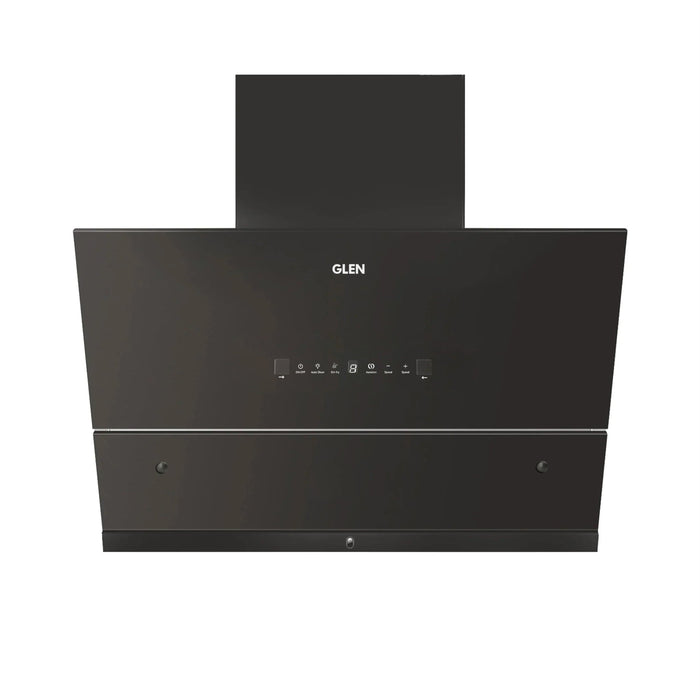
⚡ Product Link: Auto Clean Glass Chimney Filter-less with Heat Sensor & BLDC Motor, 1600 m³/h, 60/75/90cm (CH-6065-HSR-BLDC-BL-AC)
Is DFVS Hob Worth Buying in 2025?
Glen Appliances has been a consistent name in DFVS hob technology for Indian kitchens, combining forged or total brass burners, toughened glass, European gas valves, and auto ignition across different price points. If you are looking to buy a built-in hob online and want performance, build quality, and reliable after-sales support in India, Glen Appliances' DFVS range, available in 3-burner and 4-burner options in glass and matte finishes, is worth a serious look.
Ready to Switch? Choose a Smarter DFVS Built-In Hob
DFVS is already the present for anyone who wants their hob to keep pace with how they actually cook. Stable flames, lower gas consumption, precise control- these aren't luxury features anymore. They are what a good hob should do. An LPG-saving built-in hob with DFVS hob technology delivers real everyday value. If you are renovating, upgrading, or simply tired of inconsistent flames, a built-in hob with blue flame is one of the smartest upgrades your kitchen can get.
FAQs
What is DFVS Technology in Built-in Hobs?
Direct Flame Venturi System, a design that mixes gas and air before ignition for a stable, efficient blue flame.
Does DFVS really save gas?
Yes. How DFVS Improves Fuel Efficiency is through complete combustion and reduced sideways heat loss, lowering LPG consumption over time.
Why is blue flame better than yellow?
Blue means complete combustion, faster heating, no soot, better efficiency. Yellow or orange signals waste and incomplete burning.
Is DFVS suitable for Indian cooking?
Yes. It handles everything from high-flame tarka to low-flame dal simmering, exactly the range Indian cooking requires.
Can I easily buy a DFVS hob online?
Yes, buy a built-in hob online through brand sites or e-commerce platforms. Always verify cutout dimensions before ordering.
What makes a gas hob energy-efficient?
A gas hob with uniform heat distribution and a blue flame directs maximum heat into the pan with minimal waste; that's the DFVS advantage.
Best hob for modular kitchens?
A premium glass hob with blue flame using DFVS hob technology is widely considered the best gas hob for modular kitchen designs, performance, and aesthetics in one.
Leave a comment