




Energy-Efficient Kettles: Save Power While Enjoying Your Favourite Winter Beverages
There is something reassuring about winter mornings, not because they are warm, but because relief is just a button away. Before anyone speaks, before the day properly begins, a quick tap on the kettle brings hot water to life. No waiting over a stove, no watching the clock, just instant comfort with the convenience of hot water at a push of a button.
In a season where everything feels slower and colder, the kettle becomes the quickest way to warmth. A cup of tea for your mother, hot water for your evening green tea, a quick coffee before rushing to work, this small yet efficient appliance quietly supports every small ritual that keeps a home moving. And in such moments, a reliable kettle doesn’t just boil water, but it shapes the mood of winter days. That’s why choosing the right one matters, since energy consumption runs high these days.
This informative write-up will discuss how the kettle, which is a small appliance, can make a difference and add to your daily winter morning. Continue reading to learn more.
Why Does an Energy-Saving Kettle Just Make Sense?
Boiling water sounds simple, but inefficient design in small appliances can lead to surprising energy waste. A high-power-rated kettle may boil faster, which is a good thing, unless you are only heating a cup or two, but that speed comes at a cost. If a kettle doesn't shut off properly, or if it sits on a base that continues to draw standby power, you end up wasting electricity. And those inefficiencies can add up when, in winter, you are making hot drinks several times a day.
The energy you invest in boiling is not all put to good use, either-if the kettle is poorly insulated or if heat escapes around a badly designed heating element, that's lost energy. Older or badly designed kettles may lack features such as auto shut-off or boil-dry protection, meaning more energy is wasted as they stay on longer than needed, or worse, remain dangerously hot without water. Thus, opting for a more efficient model while buying appliances for kitchen, like kettles, ensures you are not just paying for your tea habit but also for needless energy loss every time you boil.
The frequent boiling in winter can become surprisingly expensive. Even if each individual boiler uses a modest amount of electricity, those small costs add up over days and weeks. An energy-efficient electric kettle helps reduce each cycle's electricity draw and makes sure less power goes to waste, making appliances more economical in the long run.
Key Features to Look For in an Energy‑Efficient Kettle
When choosing from kitchen electric appliances, especially small but frequently used tiny kitchen appliances like kettles, these features matter most for saving energy and boosting efficiency:
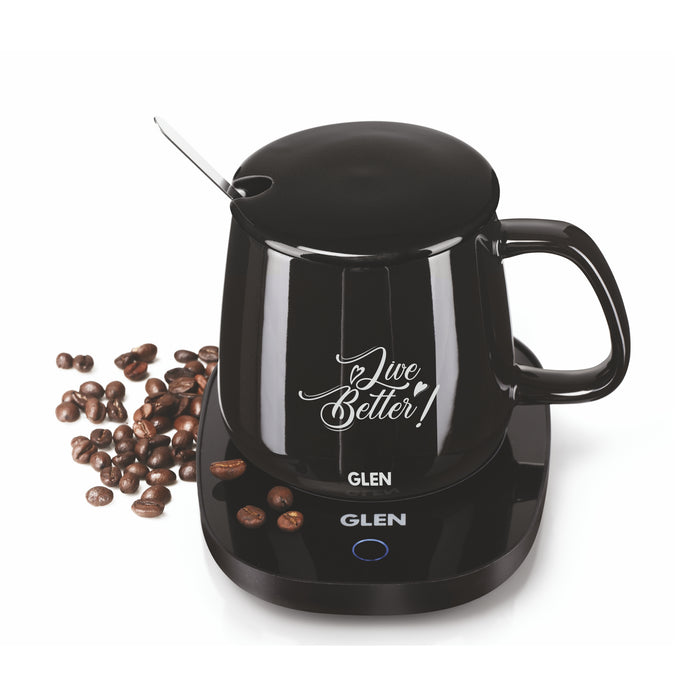
⚡ Product Link: Electric Coffee Mug Warmer Plate with Auto Shut-Off & Heating Function – 16 Watt (SA-3000)
Power Rating & Capacity
A kettle of less wattage-say, 600 W-uses less electricity per boil compared to a similar model with 2000 W, although it will boil more slowly. Matching the capacity-0.5 L, 0.8 L, 1.5 L, etc.-to how much water you really need helps avoid heating more than necessary.
Auto shut-off/Boil-dry protection
It turns off the kettle when water has reached its boiling point or prevents it from switching on without water-insulating energy waste.
Concealed Heating Element
The heating element is concealed under a plate. This improves the heat transfer, reduces scaling, and avoids direct exposures, keeping the kettle efficient for long periods.
360° Rotational Base
This feature doesn’t directly save power, but it does make the kettle more convenient to place and pick up. Because it's easier to pour exactly what you need, you are less likely to boil extra.
Insulated or Double-layer Cool-touch Body
With a well-insulated outer shell, less heat escapes into the air, and more remains inside the kettle to do useful work. Plus, it’s safer to handle.
Wide Mouth for Cleaning
The easier it is to clean, the more often you can descale. Limescale reduces efficiency by insulating the heating element, so keeping things clean helps your appliance work optimally.
Multi‑function Options (Steaming, Cooking)
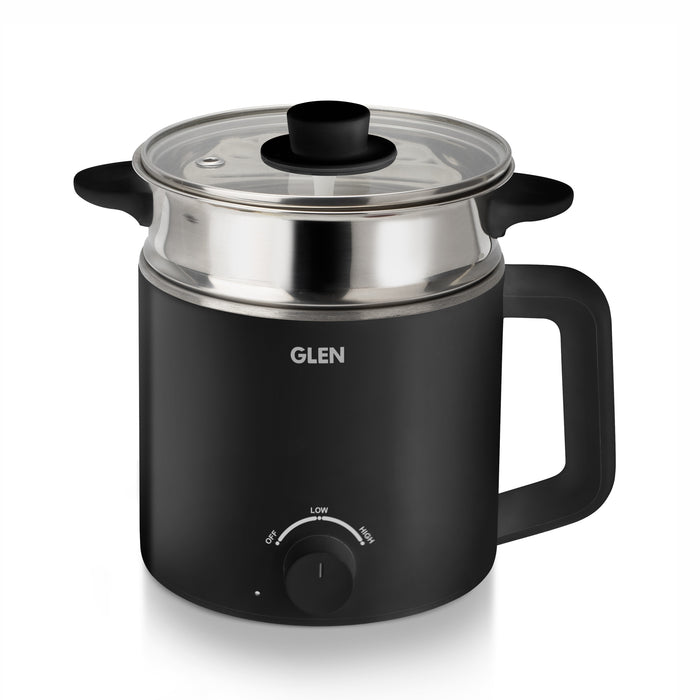
A kettle that can steam vegetables or hard-boil eggs can save you from purchasing other electric cooking appliances. Consolidating functions into one small appliance can, in turn, reduce energy consumption overall.
What Types of Kettles Fit Different Use-Cases and Efficiency Needs Compact / Travel Kettles
Designed for 1-2 people, they usually have a smaller capacity of approximately 0.5 L, meaning you heat only what you need.
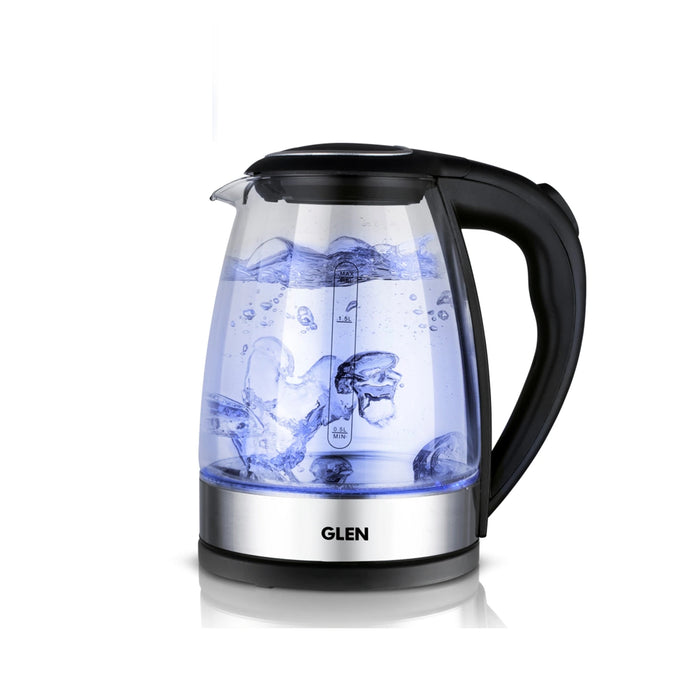
⚡ Product Link: Glen Electric Glass Kettle 9012 – 1.8 Litre Capacity
These are ideal if you live in a small apartment, a hostel, or travel often. Less water means less energy used per boil, making them perfect small appliances for minimal usage.
Standard Family Kettles
Usually range between 1.5 to 1.8 L. These are well-suited when more than one person needs boiling water, or you want to make a few cups in one go.
Moderate power ratings-from 800 W to 1500 W, in home appliances products like kettles, ensure a good balance between fast boil time and energy draw. Picking just the right size can prevent repeated cycles of boiling, which is important for energy savings.
Multi‑Function / Premium Kettles
These models offer extras like digital touch displays and preset temperature modes-milk, green tea, coffee, etc.-or multi-cook functions-steam, cook, boil.
While they may draw more power from time to time, they save energy in other ways. You are able to select the proper temperature for your drink rather than just boiling everything, and the multi-functional aspect means that you will not need other electronic items in your kitchen. Such versatile units can replace other appliances for students or bachelors and reduce overall power consumption.
How to Use & Maintain Your Kettle For Optimal Energy Savings?
Here are some tips to get the most energy-efficient performance from your small home appliances, most importantly, your kettle:
Only heat what is needed
Don't always fill the kettle to the top. If a single cup is needed, boil just enough-that saves energy and time.
Use the auto shut-off facility
Let the kettle do its duty and turn itself off. Avoid keeping it on base more than necessary.
Descale regularly
Lime scale builds up inside, especially with hard water. Use the kettle's wide mouth to clean easily; a clean heating element works more efficiently.
Use correct presets on kettles with multi-functions
If your kettle has special temperature settings for milk, green tea, or coffee, then use these rather than heating it to a full boil each time. It will prevent overheating and save unnecessary energy consumption.
Unplug when idle
If you are not going to use the kettle for some time, remove it from the power base. This helps avoid standby electricity draw from your kitchen electric appliances or other kitchen electronic items.
Store intelligently
Wrap the cord or use any built-in cord storage so that your small appliance stays safe and the base does not continue to draw power unnecessarily.
Comparison: Traditional High‑Wattage Kettles vs Modern Energy‑Efficient Models
|
Feature |
Traditional High‑Wattage Kettle |
Modern Energy‑Efficient Model |
|
Power & Boil Speed |
Very high wattage → very fast boil |
Balanced wattage → efficient boil |
|
Standby / Heat Loss |
Poor insulation, heat escapes, more power wasted |
Insulated body, concealed heating, less heat loss |
|
Safety |
May lack boil-dry protection or auto shut-off |
Includes auto shut-off, boil-dry protection, safer use |
|
Maintenance |
Harder to clean, more limescale, less efficient over time |
Wide mouth, easy descaling, maintained efficiency |
|
Additional Features |
Basic functionality only |
Extra functions: presets, multi-cook → reduces need for other small appliances |
Smart Design Meets Winter Beverage Needs
When winter sets in, and you are more frequently boiling water for a cup of tea, coffee, or an herbal drink, the design of your kettle, which is a small home appliances products, really makes a surprisingly big difference. Not only does a double‑layer cool‑touch body keep the outer surface safe to handle, but it also heats better and reduces energy waste. A 360° rotational base adds convenience because you can pick it up quickly, pour, and put it back without fuss, which matters when you are coming out from under a warm blanket into a cold room.
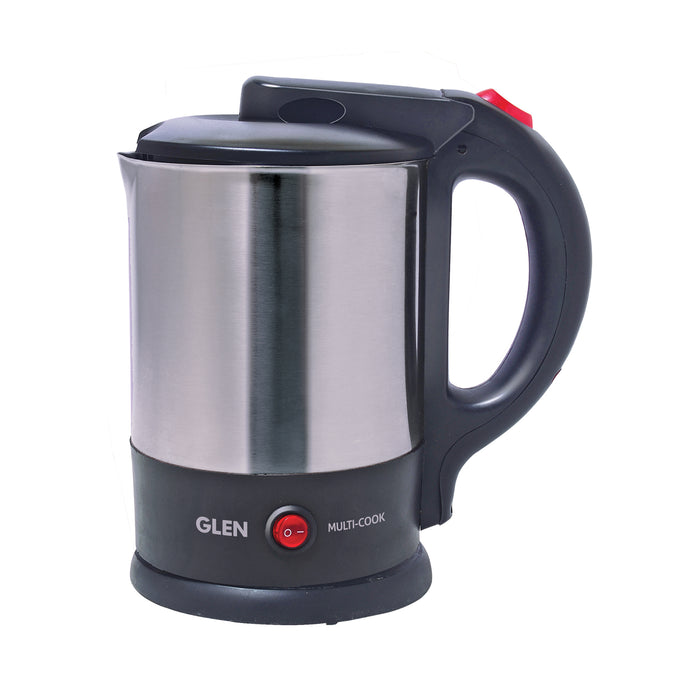
Ergonomic handles are another thoughtful touch. In winter, your hands might be cold, and a well-shipped cool-touch handle feels safer and more comfortable. For added delight, some kettles offer blue light illumination while heating, as it isn't just attractive but also a visual clue that water is boiling. That way, you don't leave it to heat too long and save both power and effort-especially when you are rushing to make a morning tea.
What New & Future-Proof Features in Energy Efficient Kettles?
Looking ahead, the best small kitchen appliances, especially these electric kitchen appliances, are now coming with smarter and more adaptable designs. Digital display and touch-control kettles let you choose precisely preset temperature modes for things like heating milk, or making honey, green tea or coffee. That means you don't always need to double-boil or leave water waiting, thus reducing waste and repeated heating.
Another innovation is that of multi-cook or steam-capable kettles, which can steam vegetables, cook noodles, or boil eggs. Instead of turning on several devices, one efficient small appliance can succeed in doing all of these tasks with less energy consumption in total.
Besides, the use of enhanced materials-like food-grade SS304 inner bodies and insulated outer shells, prevents heat loss, reduces limescale issues, and sustains efficiency over the long term. Therefore, they are more durable and efficient in terms of power consumption.
Choosing the Right Model & Why It's a Smart Winter Investment
Here's how to choose the right kettle for your needs, and why it makes a difference:
Match capacity & power to your household size
If you are alone or boiling for one, a compact 0.5 L or 0.8 L kettle with a lower wattage can save a lot. For a family, a 1.5–1.8 L capacity with a moderate watt rating strikes a good balance.
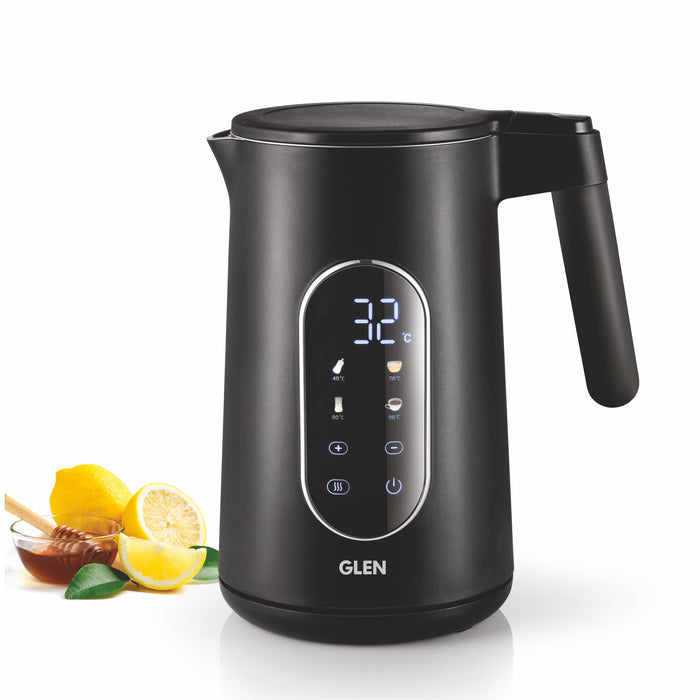
⚡ Product Link: Electric Kettle 1.5 Litre with Digital Display, Touch Control & 4 Pre-Set Functions – Auto Shutoff, 2000W (SA-9009SSBL)
Prioritise safety and shut-off features
Models that feature auto shut-off and boil-dry protection serve to help conserve energy and protect against accidents, both of which are beneficial for any small appliance in your kitchen.
Efficiency via build quality
Opt for kettles with concealed heating elements, a wide mouth for cleaning, and an insulated or double-layer outer body that will reduce heat loss and maximise energy efficiency.
Look for versatility
If you want more than boiling water, like steaming food, boiling eggs or making hot drinks at exact temperatures, then multi-function or digital preset models can be more expensive upfront but can lessen the need for other electric kitchen appliances.
Consider the long-term savings
During an entire cold season, the amount of energy saved by intelligently using a kettle adds up. When you factor in lower power usage, less waste of heat, and much safer operations, investing in just the right small appliance becomes not only convenient but also cost‑saving.
Conclusion
Winter is when our kettle becomes one of the most-used small home appliances in our kitchen-for tea, coffee, soups, or even just warm water. Besides being convenient, choosing an energy-efficient electric kettle can actually help bring down your electricity bill by not wasting power on less important things. You will enjoy your favourite winter beverages without guilt and excess cost if you emphasise design features such as auto shut-off, concealed heating, the right capacity, and good insulation.
Think of your kettle not just as a utility but as an appliance that is part of your winter ritual-smart, safe, and wise in terms of energy consumption. And if you are looking for such kettles, Glen Appliances offers a thoughtful range that brings together these very principles. Explore the best appliances for kitchen on their official website.
FAQs
What makes a kettle energy-efficient?
A kettle is energy-efficient if it has such features as auto shut-off, concealed heating, and insulated walls that reduce power wastage.
How does kettle capacity affect energy consumption?
Smaller capacity kettles use less electricity because you only boil the amount you need, avoiding excessive energy use.
Can multi-function kettles really save power?
Yes, they combine in one appliance the functions of boiling, steaming, and cooking, reducing the need for several electric cooking appliances.
How frequently should I clean my kettle for maximum efficiency?
Regular descaling, preferably every 2-4 weeks depending on water hardness, keeps the heating element working efficiently.
For families, are compact travel kettles appropriate?
They are best for 1-2 people; families usually need bigger 1.5-1.8 L kettles for energy-efficient everyday use.
Why is auto shut-off important?
Auto shut-off helps to prevent unnecessary energy consumption and maintains safety by turning off the kettle once the water starts boiling.
Leave a comment