




How Do Heat Sensor Chimneys Work When You Forget to Turn Them On?
Table of Contents
- What is a Heat Sensor in a Kitchen Chimney and Why Does It Matter?
- What Happens When You Forget to Switch On Your Chimney While Cooking?
- How Do Heat Sensor Chimneys Work When You Forget to Turn Them On?
- Heat Sensor vs Manual Chimney: Which One Is Better for Indian Cooking?
- Do Heat Sensor Chimneys Work for Heavy Indian Cooking Like Frying and Tadka?
- What Happens After the Chimney Turns On Automatically?
- Is a Heat Sensor Chimney Enough, or Do You Still Need Auto-Clean Features?
- How Often Do You Need to Clean a Heat Sensor Chimney?
- Are Heat Sensor Chimneys Energy Efficient and Noisy?
- What Size and Suction Power Should You Choose for Your Kitchen?
- Smart Features That Make Modern Chimneys Truly Hassle-Free
- Why Heat Sensor Chimneys Are Becoming Essential in Indian Kitchens?
- Is a Heat Sensor Chimney Worth It for Your Home?
- FAQs
Ever started cooking, got busy with chopping or stirring, and suddenly realised the kitchen is filled with smoke because you forgot to switch on the chimney? It happens to the best of us, especially during tempering, frying, or high-flame cooking. The kitchen fills up fast, and by the time you notice, the damage to your walls and cabinets is already done.
This is exactly where modern automatic chimney technology steps in. Today's auto clean chimneys don't just remove smoke; they are designed to think and respond for you, even when your hands are full.
What is a Heat Sensor in a Kitchen Chimney and Why Does It Matter?
A heat sensor is a small but powerful component inside modern auto clean chimneys that monitors temperature changes in real time. Instead of depending entirely on you to switch it on at the right moment, it allows the chimney to take over automatically.
This matters a lot in Indian kitchens. Cooking here involves high flames, heavy oil, and strong spices; it's intense, and your attention is always split. A heat sensor means smoke doesn't get a head start. It adds genuine convenience, improves kitchen hygiene, and makes the best auto clean chimney for kitchen setups truly hands-free in the moments that matter most.
What Happens When You Forget to Switch On Your Chimney While Cooking?
Oil particles and strong odors spread across your kitchen within minutes when the chimney isn't running. Over time, this leads to greasy walls, sticky cabinets, and poor air quality that's genuinely uncomfortable to cook in.
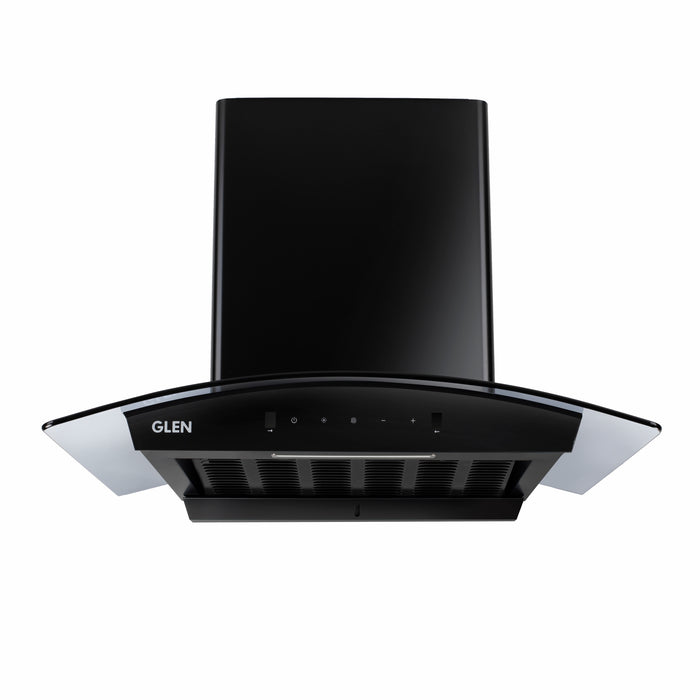
⚡ Product Link: Auto Clean Curved Glass Filter-less Kitchen Chimney with Motion Sensor (60/76/90cm, 1200 m³/h, 6058 BL Auto Clean)
Step-by-Step What Happens:
1. Heat and Smoke Build-Up Begins
The moment you start frying or doing a tadka, heat and smoke rise rapidly. There's no buffer.
2. Grease Particles Spread in the Air
Oil vapors don't just disappear; they settle on every surface nearby, making your kitchen far harder to clean later.
3. Air Quality Drops
The kitchen becomes smoky, stuffy, and sometimes suffocating, especially in smaller Indian homes with limited ventilation.
4. Automatic Detection Kicks In
This is where a smart auto clean chimney for the kitchen earns its place. The built-in sensor detects rising heat and activates suction on its own.
5. Smoke Gets Cleared Without Manual Effort
The chimney gets to work pulling out smoke and grease, no button pressing needed.
How Do Heat Sensor Chimneys Work When You Forget to Turn Them On?
Heat sensor chimneys detect a sudden rise in temperature caused by cooking. When you forget to switch on the chimney, the built-in sensor identifies the heat spike near the hob and activates the motor within seconds.
This automatic response ensures smoke and oil vapors are cleared without any manual input. It works best during high-heat cooking like frying or tempering, where temperature changes are sharp and immediate.
In simple terms, a heat sensor chimney acts like a smart assistant in your kitchen; it detects, responds, and protects, even when you are too busy to remember.
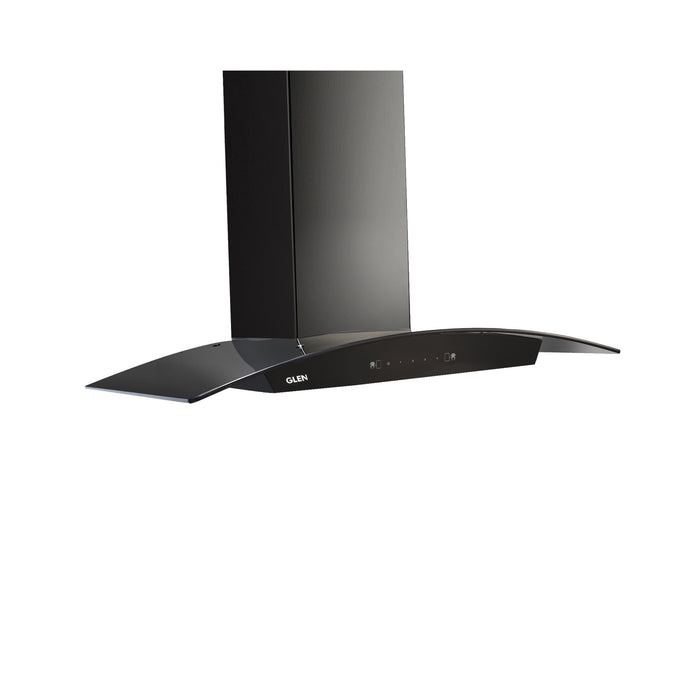
⚡ Product Link: Glen Auto Clean Chimney 6060 BL AC (60/90cm) with Motion Sensor, Airflow 1200 m³/hr
Heat Sensor vs Manual Chimney: Which One Is Better for Indian Cooking?
A manual chimney only works when you remember to turn it on. A heat sensor chimney works even when you don't. For Indian kitchens, where you are stirring one pot, chopping on the side, and keeping an eye on a third burner, that difference is enormous.
|
Feature |
Heat Sensor Chimney |
Manual Chimney |
|
Operation |
Automatic |
Manual |
|
Convenience |
High |
Moderate |
|
Smoke Control |
Immediate |
Delayed |
|
Best for Indian Cooking |
Yes |
Less efficient |
|
Maintenance |
Low (with auto clean) |
Moderate |
For most households, an automatic chimney is simply the smarter, more practical choice.
Do Heat Sensor Chimneys Work for Heavy Indian Cooking Like Frying and Tadka?
Absolutely, and they are especially good at it. Frying and tadka generate sharp, intense heat, which means the sensor responds faster and activates suction almost immediately. Paired with high suction power, this ensures smoke, oil vapors, and strong odors are tackled at the source. This combination is what makes an auto clean chimney for a kitchen genuinely well-suited to the realities of Indian cooking, not just light, occasional use.
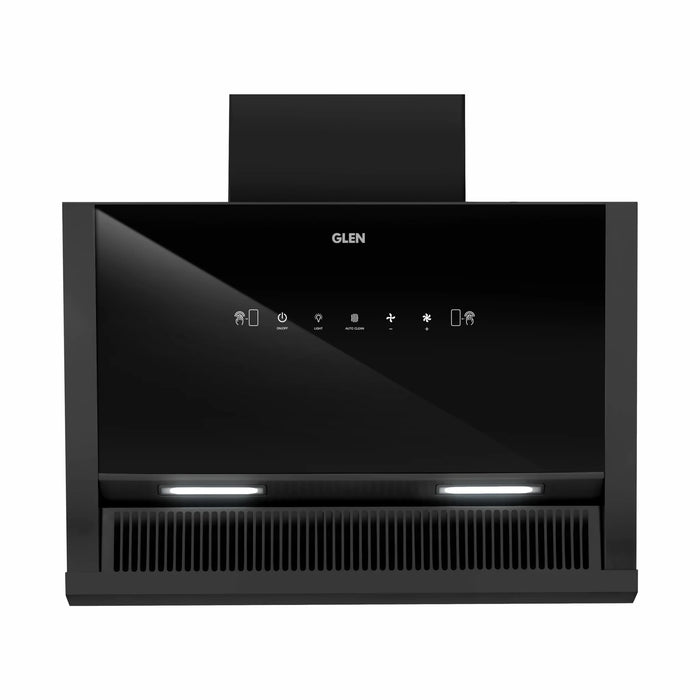
⚡ Product Link: Auto Clean Glass Filterless Chimney with Motion Sensor, 1400 m³/h (60/75/90cm, 6072SXAC)
What Happens After the Chimney Turns On Automatically?
● Heat Detection
The sensor picks up rising temperatures from your cooking.
● Motor Activation
The chimney motor starts without any manual input.
● Powerful Suction Begins
Smoke, grease, and fumes are pulled in immediately.
● Efficient Airflow Management
The system maintains continuous, consistent airflow to keep the kitchen fresh.
● Energy Optimisation
Advanced motors adjust speed based on cooking intensity, so they are not running at full power unnecessarily.
This seamless, behind-the-scenes process is what makes modern auto clean chimneys feel effortless in daily use.
Is a Heat Sensor Chimney Enough, or Do You Still Need Auto-Clean Features?
A heat sensor handles automatic activation, but it doesn't deal with grease buildup inside the chimney over time. That's where auto-clean chimneys become essential. The auto-clean function uses heat to melt accumulated grease, directing it into a collection tray that you simply empty every week or two. When you combine heat sensor technology with auto-clean, you get a complete, low-maintenance solution, one that handles both smoke in the moment and grease in the long run.
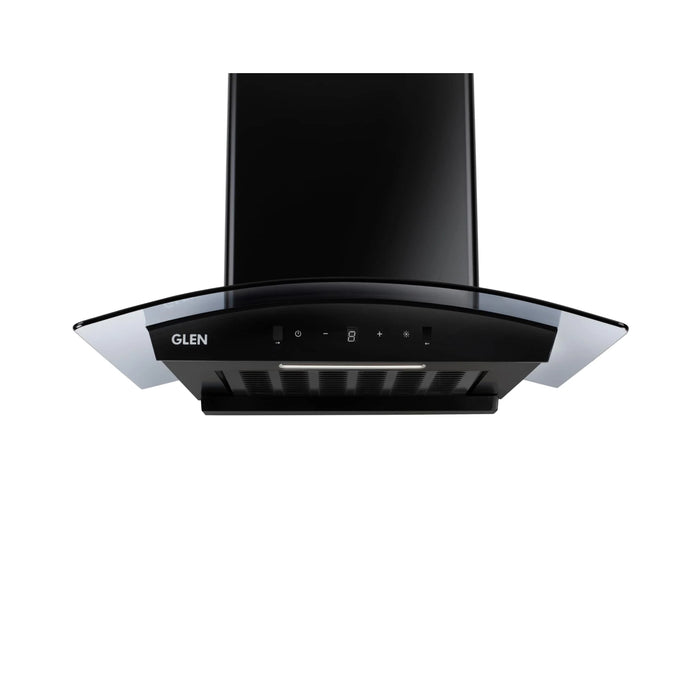
⚡ Product Link: Auto Clean Curved Glass Filter-less Kitchen Chimney with Motion Sensor Control & Digital Display, 1500 m³/h (6059 DI BL AC)
How Often Do You Need to Clean a Heat Sensor Chimney?
Even the best automatic chimney isn't entirely maintenance-free, and it's worth being upfront about that. The oil collector tray needs to be emptied every 1–2 weeks, depending on how frequently you cook and how oil-heavy your meals are. Auto-clean cycles handle the internals, but a quick wipe of the exterior and tray goes a long way in keeping performance consistent.
Are Heat Sensor Chimneys Energy Efficient and Noisy?
Modern automatic kitchen chimney models are designed with both efficiency and comfort in mind. Smart motors adjust their speed based on actual airflow needs, so they are not consuming full power the entire time. Noise levels are also significantly lower compared to older chimney models, you can cook, talk, and even watch something in the kitchen without constant disturbance.
What Size and Suction Power Should You Choose for Your Kitchen?
Getting the size and suction right is just as important as the smart features.
● 60 cm chimney- Best for 2–3 burner stoves
● 90 cm chimney- Ideal for 3–4 burner setups
● 1200 m³/hr suction- Suitable for light, everyday cooking
● 1600 m³/hr suction- Better for heavy Indian cooking with lots of frying
For most Indian homes, a higher suction auto clean chimney for the kitchen is the safer bet; you would rather have more power than not enough.
Smart Features That Make Modern Chimneys Truly Hassle-Free
● Motion Sensor Control
Operate the chimney with a simple hand wave. No greasy fingerprints on buttons.
● LCD Display Panel
Clearly shows speed levels, cleaning cycle status, and operation mode at a glance.
● Auto-Clean Technology
Handles internal grease automatically, reducing how often you need to intervene.
● Heat Sensor Activation
Starts the chimney the moment cooking-level heat is detected.
● Remote Control (select models)
Operate from across the kitchen without walking up to the chimney.
These features, taken together, make a modern automatic chimney feel genuinely intelligent rather than just feature-heavy.
Why Heat Sensor Chimneys Are Becoming Essential in Indian Kitchens?
Indian cooking is fast, intense, and rarely a one-task affair. Forgetting to switch on the chimney isn't carelessness; it's just the reality of juggling multiple things at once. Heat sensor chimneys solve this problem without asking anything extra from you.
They keep the kitchen cleaner, reduce the effort of maintenance, and make daily cooking noticeably more comfortable. Combined with auto-clean chimneys, they offer a well-rounded solution built specifically for the way Indian households cook.
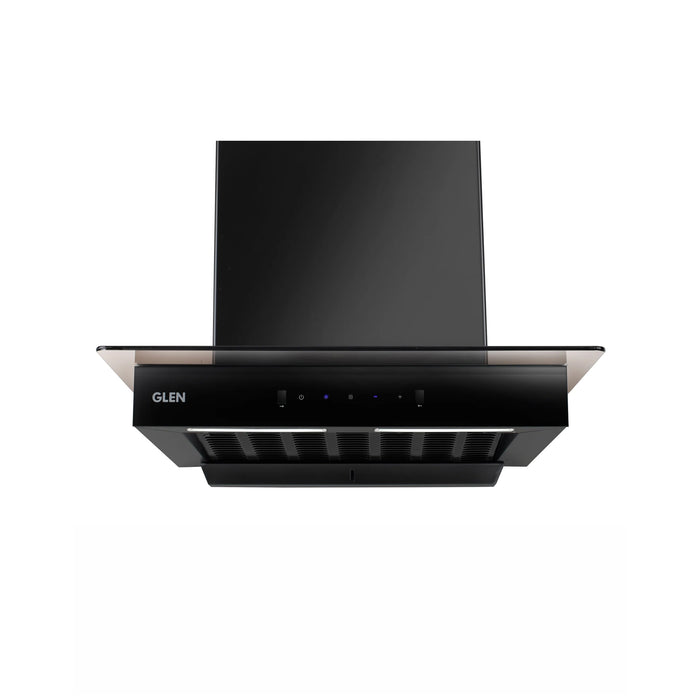
⚡ Product Link: Auto Clean Glass Filter-less Kitchen Chimney with Motion Sensor (60/90cm, 1200 m³/h, 6062 BL Auto Clean)
Is a Heat Sensor Chimney Worth It for Your Home?
If you cook regularly and want a cleaner, less stressful kitchen, yes, without question. The auto clean chimney price or automatic chimney price might seem like a premium upfront, but what you are getting in return is genuine: less cleaning, better hygiene, longer appliance life, and the peace of mind that your kitchen is being taken care of even when you are distracted.
If you are budget-conscious, it's worth noting that the auto clean chimney's lowest price has come down significantly as the technology has become more mainstream. Even mid-range models today come with heat sensors and auto-clean built in.
Brands like Glen Appliances bring together heat sensors, motion control, powerful suction, and auto-clean in one cohesive system. Whether you need an auto clean chimney with a baffle filter for heavy-duty grease separation, or a ductless auto clean chimney for a kitchen without external ducting, there are solid options available. The key is matching the right feature set to your cooking style, and then letting the chimney do the rest.
FAQs
What is an auto-clean chimney?
An auto-clean chimney uses heat-based cleaning to remove grease automatically from internal components, reducing manual effort and keeping the system efficient over time.
How does an automatic chimney work?
An automatic chimney uses heat or motion sensors to detect cooking activity and starts on its own, no manual switching needed.
Is an auto-clean chimney worth the price?
Yes. Despite a higher automatic kitchen chimney price, the long-term savings in time, cleaning effort, and kitchen hygiene make it a genuinely smart investment.
What is the difference between the auto clean and the baffle filter chimney?
An auto-clean chimney with a baffle filter combines both grease separation through filters and heat-based internal cleaning, while filterless models rely purely on airflow and oil collectors.
Can I get a ductless auto clean chimney?
Yes. A ductless auto-clean chimney recirculates air through carbon filters, making it a great option for kitchens that don't have external ducting.
How often should I run auto-clean in a chimney?
It depends on usage, but most households run it every 2–4 weeks. Heavy daily cooking may require more frequent cycles.
What is the auto clean chimney's lowest price in India?
The auto clean chimney's lowest price varies by brand and features. Basic models with auto-clean start in the mid-range, while advanced smart models with heat sensors are priced higher for the added convenience they deliver.
Leave a comment