




How Ductless Chimneys Work Without a Vent: The Technology Behind Smoke and Odour Control
Table of Contents
- What Is a Ductless Chimney and How Is It Different from a Ducted One?
- How Does a Ductless Chimney Work Without a Vent? (Core Technology Explained)
- What Happens Inside a Ductless Chimney? A Simple Breakdown
- Does a Ductless Chimney Actually Remove Smoke and Smell?
- Is a Ductless Chimney Good for Indian Cooking?
- Why Do Ductless Chimneys Need Carbon Filters and How Often Should You Replace Them?
- Do Ductless Chimneys Reduce Heat and Humidity in the Kitchen?
- Are Ductless Chimneys Noisy or Energy Efficient?
- When Should You Choose a Ductless Chimney Over a Ducted One?
- Ready to Cook Smarter? Find Your Perfect Ductless Chimney Today!
- FAQs
Reena moved into her new flat last year, third floor, no external wall access in the kitchen, building society rules strictly against wall drilling. The first time she made rajma-chawal after moving in, the smell lingered for hours. Her eyes watered. Her sofa smelled like tadka. Her guests politely said nothing.
She wasn't alone. Millions of urban Indian home cooks face this exact problem; modern apartments simply weren't built for traditional ductwork. And yet, Indian cooking demands serious ventilation.
That's what pushed Reena (and thousands like her) to search for a better solution, and eventually, to buy a ductless chimney online. But one question kept coming up before she committed: how does it actually work without a vent?
This blog answers exactly that. We will break down the ductless chimney technology, explain how it controls smoke and odour without any external pipe, and help you decide if it's right for your kitchen.
What Is a Ductless Chimney and How Is It Different from a Ducted One?
A ductless chimney, also called a duct-free or ventless chimney, filters and recirculates kitchen air instead of pushing it outside. A ductless chimney works within a closed loop, whereas a ducted chimney uses a pipe to expel smoke, heat, and moisture out of your home. The core difference is airflow direction. Ducted chimneys remove everything from the kitchen. Ductless chimneys capture impurities, filter them, and send cleaner air back in.
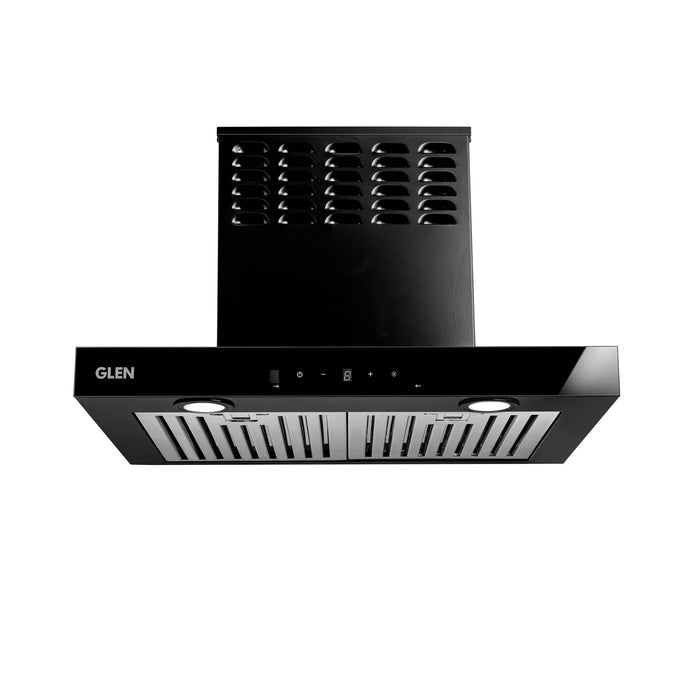
⚡ Product Link: Wall Mounted Ductfree Kitchen Chimney Plug & Play with Baffle Filters 60cm 1100 m³/h - Black (CH6052DFMSBFBL60)
This makes the best ductless chimney for modern kitchens a practical fit for:
● Apartments and high-rise flats
● Rented homes where structural changes aren't permitted
● Modular kitchens where design flexibility matters
How Does a Ductless Chimney Work Without a Vent? (Core Technology Explained)
Step 1: Powerful Suction Pulls in Smoke and Fumes
Everything starts with the motor. A strong suction mechanism draws in smoke, fumes, and grease-laden air the moment cooking begins, before it gets a chance to spread. This is especially important in Indian kitchens, where frying and tadka can fill a room within seconds.
Step 2: Grease Filters Trap Oil and Particles
The pulled-in air passes first through grease filters, typically baffle filters in quality chimneys, which are designed specifically for the high-oil demands of Indian cooking. These trap oil particles, heavy grease, and smoke residue, forming the first line of defense and keeping your kitchen walls and surfaces cleaner over time.
Step 3: Carbon Filters Absorb Odour and Smoke
This is where the real magic of ductless chimney technology happens. After grease filtration, air passes through an activated carbon filter, and this isn't just a physical process; it's a chemical one. Odour molecules actually bond with the activated carbon, neutralising them at a molecular level rather than just masking them. The result is air that's meaningfully cleaner, not just moved around.
Step 4: Clean Air Is Recirculated Back
The filtered air is then quietly released back into the kitchen. No pipe. No duct. No structural work. This is why ductless chimneys are also called recirculating chimneys; they run as a continuous purification loop.
What Happens Inside a Ductless Chimney? A Simple Breakdown
|
Stage |
What Happens |
Why It Matters |
|
Air Intake |
Motor pulls in smoke and fumes |
Prevents smoke from spreading |
|
Grease Filtration |
Oil and particles are trapped |
Keeps surfaces and walls cleaner |
|
Carbon Filtration |
Odours and smoke are absorbed |
Reduces lingering smell |
|
Recirculation |
Clean air released back in |
No duct or pipe required |
Does a Ductless Chimney Actually Remove Smoke and Smell?
Yes, with honest expectations. A ductless chimney effectively removes grease, captures most smoke, and significantly reduces odours. But since air is recirculated rather than expelled, it won't eliminate smell as completely as a ducted system would.
What makes a real difference here is the quality of filtration and suction. A premium ventless chimney with strong suction and a high-grade carbon filter outperforms a basic model significantly, especially over regular Indian cooking sessions. Performance also depends on how well the filters are maintained. Clogged or expired filters are the single biggest reason ductless chimneys underperform.
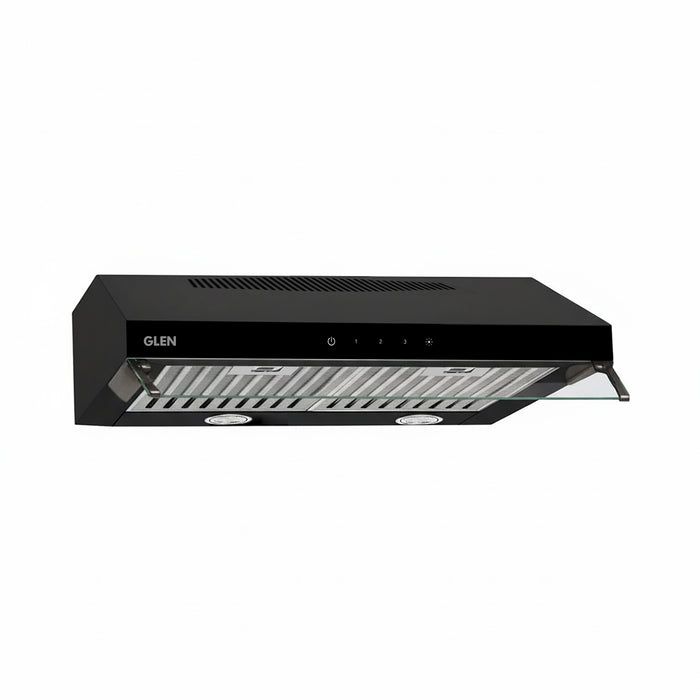
⚡ Product Link: Straight Line Ductfree Kitchen Chimney with Baffle Filters 60cm 1000 m³/h - Black (CH6003DFTSBFBL60)
Is a Ductless Chimney Good for Indian Cooking?
This is one of the most common concerns, and the honest answer is: yes, if you choose the right model. Indian cooking is intense. Deep frying, tadka, heavy masalas, all of it generate more smoke and grease than most Western cooking styles. A low-maintenance ductless chimney with basic specs won't cut it for this.
What you need:
● High suction capacity (ideally 1000+ m³/hr)
● Efficient baffle + carbon filtration
● Regular filter upkeep
Chimneys from Glen Appliances are designed specifically for Indian kitchens, with strong motors and advanced filtration, and handle heavy cooking far better than generic imported models. And with the right maintenance routine, they hold up well even through daily frying sessions.
Why Do Ductless Chimneys Need Carbon Filters and How Often Should You Replace Them?
The carbon filter is the heart of any ductless chimney. Grease filters catch the visible stuff, oil, particles, and residue. The carbon filter handles what's invisible: odour molecules, smoke compounds, VOCs. The important thing to know is that carbon filters cannot be washed. Once they are saturated, they need to be replaced, typically every 3–6 months, depending on how often and how heavily you cook.
Skipping replacements is the most common mistake buyers make. When the carbon filter is saturated, odours pass right through, suction feels weaker, and the motor works harder. Staying on schedule keeps your chimney performing as it should.
This is also why many buyers today look for an energy-efficient kitchen chimney with advance features, which reduces the overall maintenance burden considerably.
Do Ductless Chimneys Reduce Heat and Humidity in the Kitchen?
No, and this is worth understanding before you buy. Because the air is recirculated rather than expelled, heat and moisture stay in the kitchen. A ductless chimney won't cool your kitchen down or reduce summer humidity the way a ducted system does.
For most apartment dwellers, this is an acceptable trade-off. The flexibility, easy installation, and lower ductless chimney price in India compared to ducted setups make it worthwhile. But if reducing kitchen heat is a priority, this is a genuine limitation to factor in.
Are Ductless Chimneys Noisy or Energy Efficient?
Noise in ductless chimneys is usually a symptom, not a design flaw. When filters are clogged, the motor compensates by working harder, and that's when the noise increases. Clean filters = quieter operation.
Modern chimneys built with advanced motor technology address this directly. Motors run quieter, use less electricity, and last significantly longer than conventional motors. If you are comparing the latest duct-free chimney models, one with advanced motors is a feature worth prioritising.
They also make ductless chimneys genuinely energy efficient, consuming less power while delivering consistent airflow.
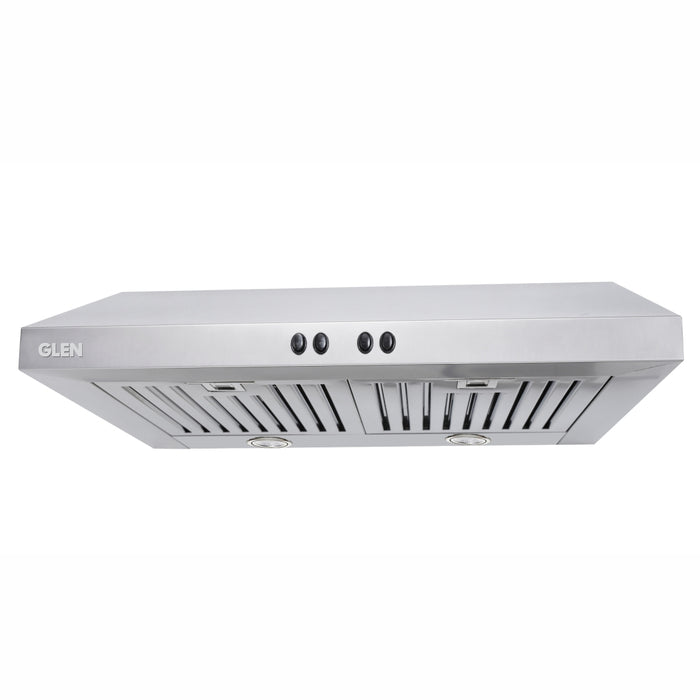
⚡ Product Link: Glen Straight Line Ductless Kitchen Chimney 6001 SS BF (60cm, 1000 m³/h)
When Should You Choose a Ductless Chimney Over a Ducted One?
Choose a ductless chimney when:
● You live in an apartment or building where ducting isn't allowed
● You want a quick, hassle-free installation
● You need flexibility in where your kitchen is designed
● You are comparing ductless chimney price in India and want lower upfront costs
For daily heavy cooking in an independent home with external wall access, a ducted chimney still wins on raw performance. But for urban apartment living, a well-chosen ductless option is genuinely practical, not a compromise.
Ready to Cook Smarter? Find Your Perfect Ductless Chimney Today!
Ductless chimneys work on a straightforward principle, capture, filter, recirculate. They are not a workaround; for millions of Indian apartment kitchens, they're genuinely the most practical ventilation solution available.
If you are planning to buy a ductless chimney online, Glen Appliances offers a range of purpose-built ductless chimneys for Indian cooking, with high suction, advanced carbon filtration, advanced motors, and other advance features that make them a strong choice whether you want an affordable ductless kitchen chimney or the best duct-free chimney in India for serious everyday use.
Choose the right model from the Glen Appliances, keep up with filter maintenance, and your kitchen stays cleaner, fresher, and more comfortable, without a single pipe in sight.
FAQs
What is a ductless chimney?
A ductless chimney filters smoke, grease, and odours using carbon filters and recirculates purified air back into the kitchen without needing any external vent or pipe.
How does a ductless chimney work?
It pulls in air, traps grease through baffle filters, absorbs odours using activated carbon filters, and releases cleaner air back into the kitchen in a continuous loop.
Is a ductless chimney good for Indian cooking?
Yes, if it has high suction capacity and proper maintenance. Strong models handle daily frying and heavy masalas effectively with timely filter replacement.
How often should carbon filters be replaced?
Every 3-6 months, depending on cooking frequency. Delayed replacement is the most common reason ductless chimneys lose odour-control effectiveness.
Does a ductless chimney remove heat?
No. Since air is recirculated inside the kitchen, heat and humidity remain, unlike ducted systems that expel hot air outside.
Are ductless chimneys energy efficient?
Yes, especially models with advanced motors. They consume less electricity while maintaining strong, consistent airflow and quieter operation.
What is the lifespan of a ductless chimney?
With proper maintenance and timely filter replacements, a good ductless chimney typically lasts 3-5 years before performance noticeably declines.
Leave a comment