




Remote Control Features in Smart Water Heaters: How They Simplify Your Routine
Imagine this: the alarm rings at 6:30 am, and before you even open your eyes, the cold air slips under your blanket like a sudden jolt. You tip-toe out of bed only to feel the floor so cold that it makes your body tighten and your teeth nearly chatter. The foggy windows, little clouds of breath, and each movement is slow because the room is freezing. In thousands of homes across India, winter mornings are less about waking up and more about surviving those first few minutes. The kids don’t want to leave the bed, grandparents sit wrapped in shawls, and working professionals start their day with shivering bodies, holding a hot cup of tea for support.
It’s in these moments that a smart water heater stops being an appliance and starts becoming a comforting presence, making winter feel kinder, softer, and healthier to live through.
Today's families need convenience, speed, safety, and comfort without complicating their routine. It is no longer just about increasing the temperature, but it is about enjoying a living space that is controlled for safety and cosiness.
Modern technology-based smart water heaters now offer smarter, cleaner, and more effective heating solutions, helping every member of the house find their own little pocket of warmth, without having to wait endlessly or depend on thick layers of woollens. And the right heater can make winter a season you enjoy rather than one you resist.
Why Remote Control Matters in a Smart Water Heater?
There are so many real-life moments when a remote control in a smart water heater turns out to be a game-changer. Consider a busy family in Mumbai where one person has to rush to work, another to get the kids ready for school, and a third is busy preparing breakfast in the kitchen. During such morning "rush hours" of chaos, everyone has to use hot water for a shower, for washing up, for tea, nearly all at once.
This is where remote control makes a big difference when you are looking for water heaters for home. You can switch the heater on from your phone even while you’re still in bed, or check whether there’s enough hot water left without making a trip to the bathroom. Maybe you're commuting and remember you forgot to turn off the heater. With remote app control, you can simply pause or shut it off.
Some smart water heaters further allow scheduling so that the heater kicks in precisely when you need it, without wasting energy. As an example, the 7055 series water heaters from Glen Appliances come fitted with WiFi and digital control, through which you can operate the heater from anywhere using a smartphone app. Here is the table for your better understanding:
|
User Type / Home Setup |
What They Need Most |
How a Smart Water Heater Helps |
Why It’s a Perfect Fit |
|
Busy working families |
Zero waiting time & planning efficiency |
Remote control + scheduling ensures hot water on time |
Makes daily routine smoother and stress-free |
|
Homes with elderly or kids |
Safe temperature & reliable operation |
Controlled heating + safe operation |
Prevents sudden temperature shocks & over-heating concerns |
|
Tech-friendly users |
Smart device convenience |
Operates via phone through Wi-Fi connectivity |
Matches modern smart-home lifestyle |
|
Multi-tasking homemakers |
Effortless control |
Monitoring & remote status access |
No need to physically check heater multiple times |
|
High-usage homes (multiple bathrooms) |
Reliable heating cycle |
Optimised usage through planned scheduling |
Consistent hot water availability |
In other words, remotely controlled smart water heaters provide flexibility, cut down stress, and make every morning or evening much easier and more effective. You can explore water heater prices and select the one that suits your needs.
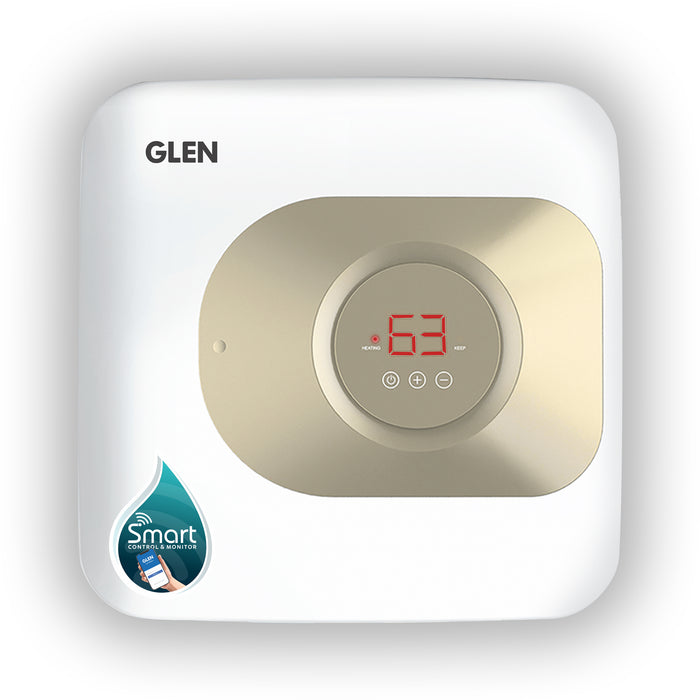
⚡ Product Link: Smart Water Heater 25 Litre | WiFi Enabled | Digital Control | Android App | 5 Star Rating | 2000W (7055)
How Remote Features Transform Your Routine: A Walkthrough
Let's walk through a day in a typical home and see how remote features change things:
Before you wake up: You’re still curled under the comforter, but you’ve scheduled the electric water heater via an app to kick in at 6:30 am. So when you step into the bathroom at 6:40, the water is already hot.
During breakfast preparation: You head to your app and see that the temperature has reached your set level from your kitchen counter. You adjust it a bit, as someone in the family likes to take a hotter shower.
Midday check: You're out for work, but your partner messages: "Hey, is the heater still on?" Without asking them to get up and check it, you have simply looked at your phone and flicked it off remotely, saving energy and offering peace of mind.
Wind down in the evening: You get home from work and want to take a refreshing shower. You schedule it through the app. The heater turns on half an hour before you enter, so that hot water greets you.
Behind all these scenarios, these moments are three powerful remote features:
Scheduling: set when the heater runs, daily or just once
App control: Full remote operation with a smartphone, wherever you may be.
Real-time monitoring: check temperature, pressure, or water level, if supported
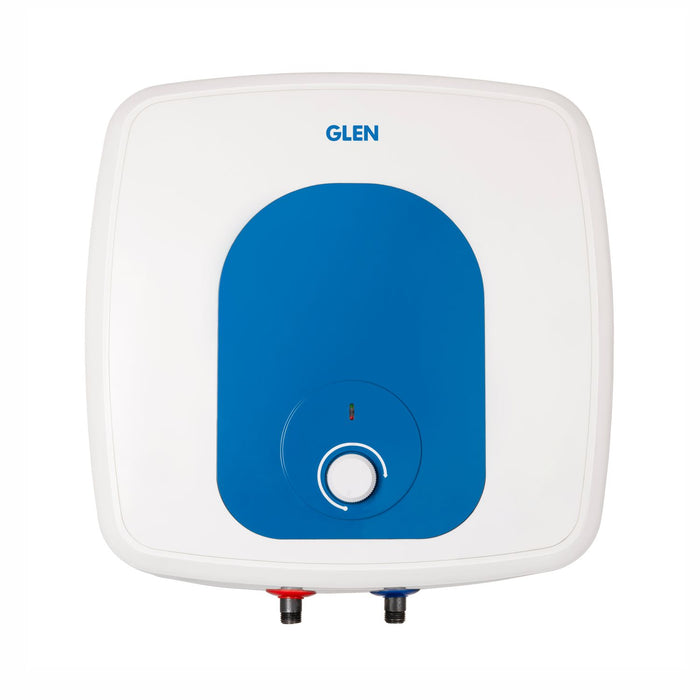
⚡ Product Link: Water Heater 2000W | 8 Bar Pressure | Glasslined Element & Tank | Temperature Control (7054)
Modern water heaters are designed to use energy intelligently, from scheduling remotely to real-time control. For example water heater models from Glen Appliances come with a 4-star energy rating, helping families save on electricity without compromising comfort.
The new advanced features make your instant water heater not just a gadget but truly a smart, adaptive part of your home. If your electric water heater supports high-rise demands-for example, an 8 Bar pressure rating-then it is even more reliable, as many modern homes in cities have high water pressure, and remote control gives you flexibility without sacrificing durability.
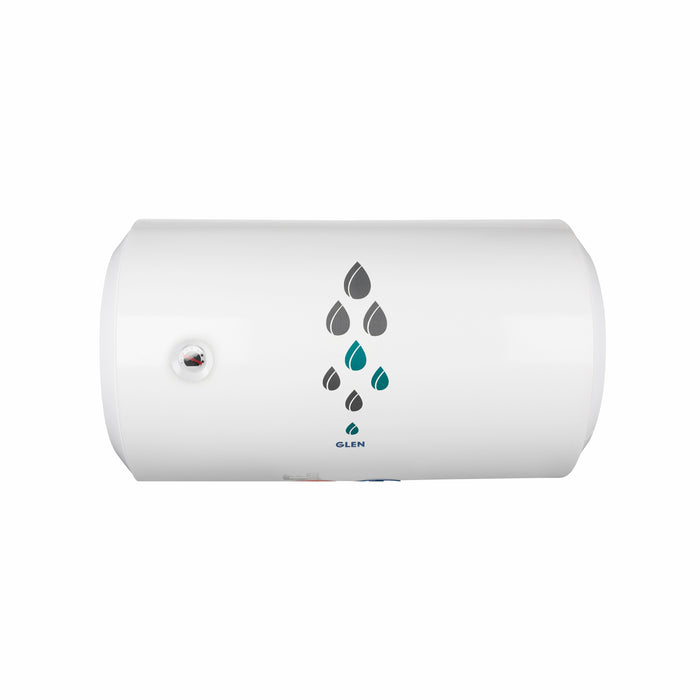
⚡ Product Link: Water Heater – 4 Star Rating | 35–50 Litre | 2000W | 8 Bar Pressure | Glasslined Element & Tank | Temperature Control (7056)
What Goes on Behind the Scenes?
Of course, a remote control isn't useful if the heater itself isn't built to perform, and that's where design and engineering come in. In a good smart water heater, the remote features are backed by solid hardware:
Glass-lined tanks: Prevent rust and corrosion, allowing the inner tank to remain strong even through frequent heating cycles.
Incoloy heating elements: Most of the new, good-quality, 'smart' storage heaters use Incoloy nickel-iron alloy that heats quickly, resists oxidation, and lasts longer.
High-pressure rating (8 Bar): The water heater needs to be able to bear strong water pressure in homes in high-rise buildings; otherwise, stress on the tank could damage it quickly.
Thermal cut-out: This heater has built-in thermal protection to avoid overheating for safety, and if something goes wrong, the system will turn off well before anything dangerous happens.
The engineering strength of these modern appliances are further augmented by a 4-star rated storage heater to provide better energy efficiency, lower power consumption, and consistent performance across seasons.
Simply, a remote control is only meaningful if the core water heating system is robust. It's not a gimmick, but rather supports a heater that's capable of fast performance and long life, and that's safe. In winter, above all, or in cities where water pressure often fluctuates, you want a water heater that's smart and strong.
Design & Placement: Making It Part of Your Home
A remote-controlled instant water heater doesn't have to feel like a clunky appliance in your bathroom, in fact, it can be both functional and elegant thanks to modern designs. Many smart water heaters now come in square or vertical forms with sleek, glossy finishes that easily blend into modern bathrooms or kitchens.
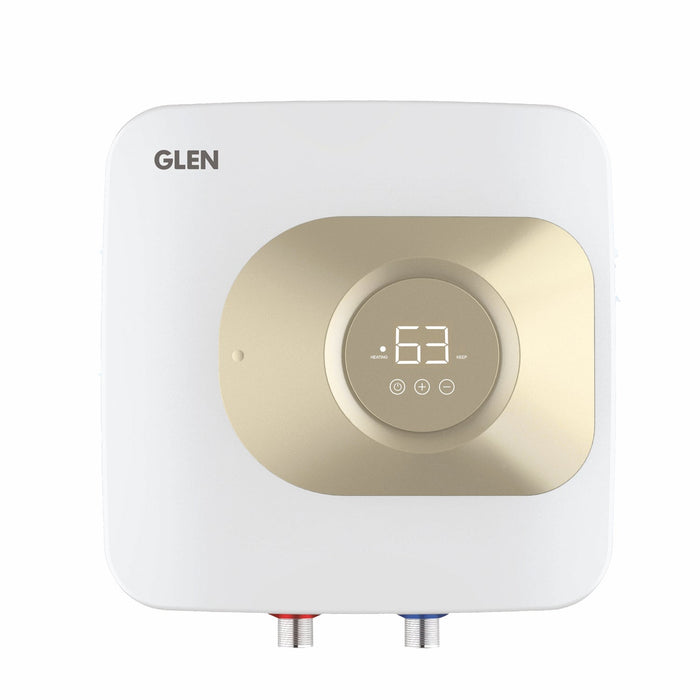
⚡ Product Link: Glen 7055 Square Water Heater 15 Litre (Digital)
These water heaters can be fitted neatly on the wall when installed, which is out of the way, yet accessible. The bathroom stays clean and minimal without large manual knobs cluttering the space, and with most of the control happening in the app. A digital display on the heater itself provides feedback-it shows temperature and settings-but does not dominate the aesthetic.
Plus, the ability to schedule remotely through the app means fewer manual changes on the device. That means fewer physical interactions, fewer disruptions in your routine, and a more seamless match between lifestyle and heater design.
How Safe Is a Remote-Controlled Heater When No One's Around?
One of the biggest concerns with any electric water heater is safety, especially when you are not around. It's only natural to wonder with a remote control, "Can I trust it when I'm away?" And the answer is yes, of course you can, if the heater is well-designed, and good smart models are.
Key safety features:
Thermal cut-out: This ensures that the heater switches itself off when either the water or the internal temperature goes beyond safe limits.
Safety valve: A pressure relief valve prevents dangerous build-up inside the tank.
Certified tank materials: when the tank is glass-lined or made from high-quality steel, it's more resistant to stress, rust, and fatigue, reducing risk.
Remote status checks: Since you are able to check through the app, you can make sure that the heater is off when it should be. This means if you leave on a trip, you can power off or lower the thermostat remotely, reducing energy usage and risk.
This is the peace of mind you actually feel when your home stays safe and comfortable, even when you're sleeping or out for a run or at work.
Is It Time to Upgrade? Remote Water Heating Made Simple
Think of your daily rhythm: the rush of mornings, high-rise water pressure, winter chills, and rising energy bills. Any of those sound familiar? Then an upgrade to a remote-controlled smart water heater could be a genuinely useful investment.
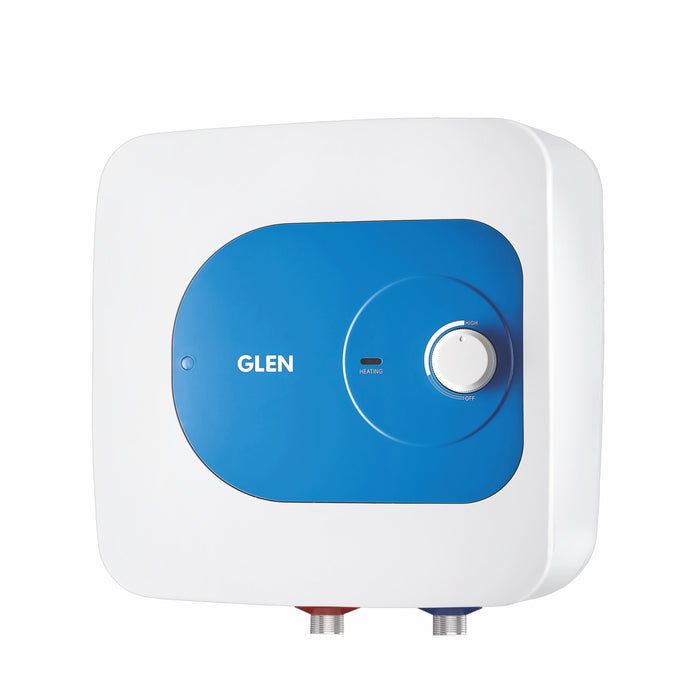
⚡ Product Link: Glen 7054 Square Water Heater (10/15/25 Ltr – Mechanical)
A smart water heater featuring Wi-Fi-enabled scheduling, remote application control, and digital temperature management certainly puts the power in the palm of your hands. No more wasted waiting, no more surprise icy showers, and no more guesswork as to when to turn things on or off. Smart water heaters are great options if you are planning to buy the best water heater for a home that brings in convenience, safety, and efficiency. You can choose a 4-star energy-rated heater which means long-term savings, safer operation, and more responsible experience of hot water every day.
Conclusion
The remote control in an intelligent water heater is much more than just a convenience. It's about being in control, being comfortable, and being calm-all intertwined in the rhythm of your daily life. Just tap once, and wake up to hot water, with smart water heaters offered by Glen Appliances.
Finish your breakfast, and adjust the schedule with ease. Head out, and you can still check and manage your heater, thanks to intelligent design. Ready to simplify the routine, reduce energy waste, and introduce a little more comfort into your WiFi-enabled control, an 8-bar pressure-rated tank, and a remote-friendly app experience that makes hot water as effortless as possible.
Explore Glen Appliance’s full range of best water heaters for home on the official website.
FAQs
Can I operate a smart water heater even when I am not at home?
Yes, if it's Wi-Fi enabled, you can control it through the app remotely, whether you are in your house, outdoors, or traveling.
Does the use of remote control features increase electricity consumption?
No, actually scheduling and remote monitoring will help to reduce energy waste by running the heater only when required.
Is the smart water heater suitable for high-rise apartments?
Yes, choose a model with an 8-bar pressure rating—like modern Glen smart heaters—for safely handling high water pressure.
What if the water overheats when nobody is around?
A good smart water heater has built-in safety features such as thermal cut-out and pressure relief valves that automatically switch off in such cases.
Can multiple family members control the heater from their phones?
Most Wi-Fi-enabled heaters allow multiple user logins, so anyone with app access can operate it.
Is the installation different from a normal storage water heater?
The installation process is generally similar, but it must be done by an authorized technician to ensure proper Wi-Fi setup and safety compliance.
Leave a comment