




What Is Cold Press Juicing and How Does RPM Impact Nutrient Retention in a Slow Juicer?
On a sweltering summer afternoon, the last thing anyone wants is another sugary packaged drink from the fridge. You want something real, something cold, fresh, and actually good for you. That is exactly where owning a juicer machine at home stops being a luxury and starts feeling like a necessity.
More households across India are now investing in an electric juicer machine or a compact juice maker machine to take control of what goes into their glass. But before you buy, one question tends to stop most people in their tracks: what exactly is cold press juicing, and does RPM genuinely affect the nutrition in your juice?
This blog breaks it all down in plain, practical terms so you can make a choice that fits your health goals and your lifestyle.
What Is Cold-Press Juicing and How Does It Work?
Cold-press juicing is a method that slowly crushes and presses fruits and vegetables to extract juice without generating significant heat. Unlike conventional juicers that rely on high-speed spinning blades, cold press machines use a rotating auger that cuts produce into smaller pieces, crushes them into pulp, and then presses the juice through a fine mesh filter.
Because the process involves minimal friction and almost no heat, the resulting juice retains more of its natural flavour, colour, and nutritional value. These machines are also commonly referred to as masticating juicers, and they have become a preferred electric juicer choice for health-conscious households. Think of it as gently squeezing juice out of your produce rather than aggressively shredding it.
What Is RPM in a Juicer Machine and Why Does It Matter?
RPM stands for Rotations Per Minute and indicates how fast the juicing mechanism operates. This single specification has a direct bearing on juice quality, and it is worth understanding before comparing any juicer machine price.
● Slow cold press juicer machine: 40 to 80 RPM
● Fast centrifugal electric juicer machine: up to 15,000 RPM
Higher speed means more heat and more oxidation. Lower speed means gentler extraction and better juice quality. When choosing the best juicer for daily use, RPM is not just a technical footnote; it is one of the most important factors to consider. Lower RPM does not mean slower results. It means better, more nutritious output from every batch.
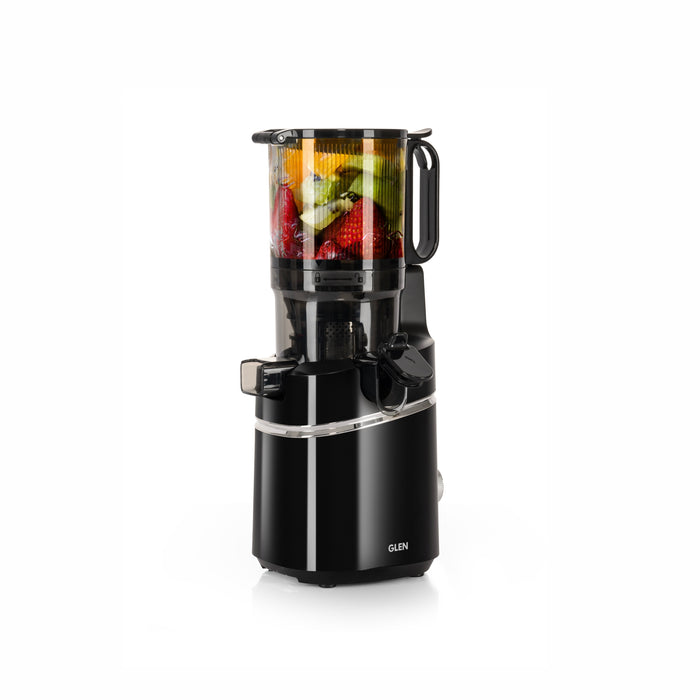
⚡ Product Link: Hopper Slow Juicer 130mm Large Feed (Juice & Pulp Containers, Low Noise, 250W, SA-4016HSJ)
How Does RPM Impact Nutrient Retention in Juicers?
This is where the real difference shows up. When fruits and vegetables are exposed to heat, air, and high-speed friction, they begin losing their nutrients almost immediately. A slow juice maker machine operating at low RPM significantly reduces these damaging factors.
Nutrients that are best preserved at lower RPM include:
● Vitamin C, which is highly sensitive to heat
● Enzymes, which are destroyed at elevated temperatures
● Antioxidants, which degrade quickly due to oxidation
A slow small juicer also means less foam and less separation in your glass, and that is actually a good sign. It tells you that oxidation is minimal and your juice is staying closer to its natural state. So RPM does matter. It is not just about how fast your juicer machine works, it is about how much goodness actually makes it into your glass.
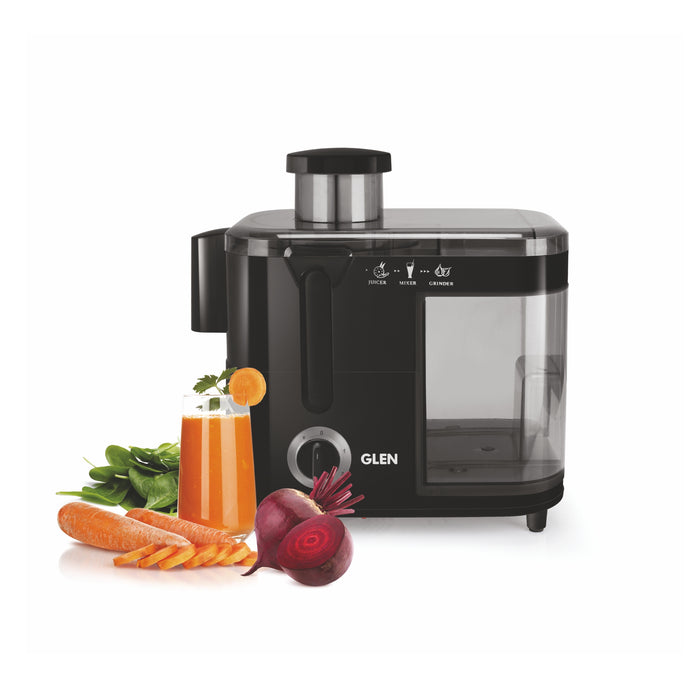
⚡ Product Link: Juicer with Stainless Steel Filter (2 Speed Settings with Pulse Function, 600W, Black, 4014JU)
Does Cold Press Juicing Really Preserve More Nutrients?
The short answer is yes, but with realistic expectations. Cold-press juicers do retain more nutrients compared to high-speed alternatives. However, the difference is moderate rather than extreme, and the benefits go beyond just nutritional numbers.
What you actually get with cold-press juicing:
● Better nutrient retention across vitamins, enzymes, and antioxidants
● Richer taste and deeper natural colour
● Less foam, less separation, and a smoother texture
The more meaningful benefit, though, is consistency. When your juice tastes better and feels fresher, you are far more likely to make it a daily habit. And regular consumption of fresh juice matters far more in the long run than marginal differences in nutrient percentages.
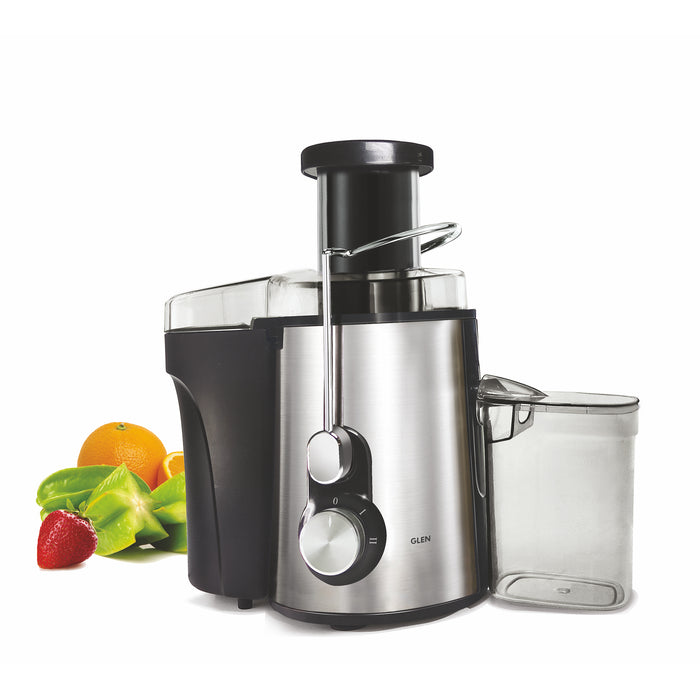
⚡ Product Link: Glen Centrifugal Juicer 4019 with Powerful Copper Motor (600W)
Slow Juicer vs Centrifugal Juicer: Which Is Better for Summer?
This comparison comes up constantly, and for good reason. Both types of juicers serve a purpose, but they serve different kinds of users. Here is a clear side-by-side breakdown:
|
Juice Quality |
Higher nutrient retention |
Moderate, more oxidation |
|
Speed |
Slower extraction |
Very fast |
|
Noise Level |
Quiet operation |
Loud |
|
Juice Yield |
Higher yield from produce |
Lower yield |
|
Shelf Life of Juice |
Longer |
Shorter |
|
Juicer Price |
Higher upfront cost |
More affordable |
|
Best For |
Daily health-focused use |
Occasional, quick juicing |
If juicer machine price is your main concern, centrifugal models are cheaper upfront. But if you want better taste, better nutrition, and real long-term value, a slow electric juicer machine is honestly the smarter buy.
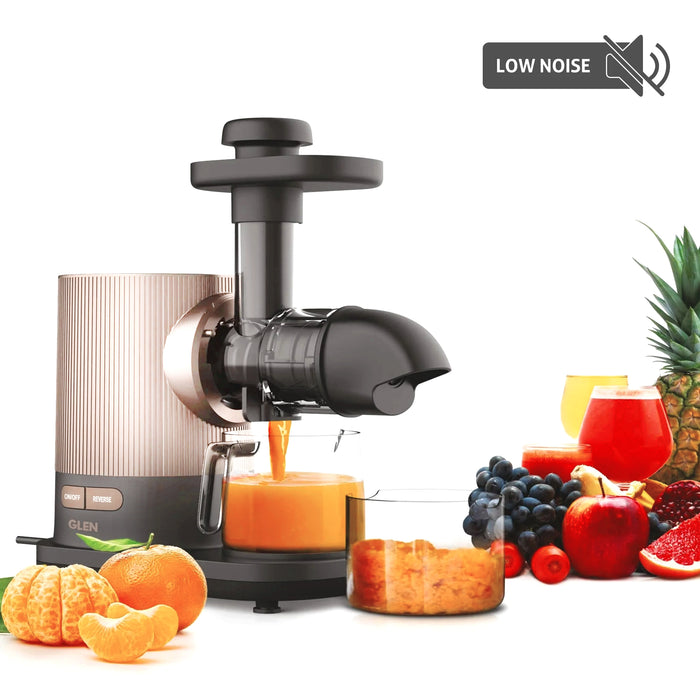
⚡ Product Link: Cold Press Slow Juicer with Anti-Drip Feature (SA4017CPJ)
What Can You Juice in a Slow Juicer Machine?
One of the standout advantages of a slow small juicer is its versatility across different types of produce. Unlike high-speed centrifugal models that struggle with leafy greens or soft herbs, cold press machines handle a wide variety with ease.
You can juice:
● Leafy greens like spinach and kale
● Hard vegetables like carrots and beetroot
● Fruits like apples, oranges, and watermelons
● Herbs and roots like mint and ginger
As for preparation, you do not always need to peel your produce. Apples, carrots, and cucumbers can go in after a thorough wash. Citrus fruits like oranges and lemons are better peeled before juicing. A good mini juicer handles both soft and fibrous ingredients without strain, making it a genuinely flexible kitchen appliance for the summer season.
Is a Slow Juicer Noisy and Hard to Maintain?
This is one of the most common concerns people raise, and it is worth addressing directly. Slow electric juicer models are significantly quieter than their centrifugal counterparts. You can run one in the morning without disturbing anyone in the house, which makes it a practical option for early risers or those who prefer a quiet kitchen environment.
Maintenance is also simpler than most people expect. Modern juice maker machine designs come with:
● Detachable, dishwasher-safe parts
● Simple rinsing systems that clean in minutes
● Minimal components that are easy to reassemble
Once you build a juicing routine, the cleaning process becomes second nature. It is not the complicated chore it is often made out to be.
How Long Does Cold-Pressed Juice Stay Fresh?
The slow juicerproduces juice that stays fresh for longer compared to centrifugal alternatives, because slow juicers generate far less oxidation during extraction. Juice from a small juicer separates less, maintains its colour, and holds its flavour better when refrigerated.
Fresh is always best, particularly during summer when you want maximum hydration and nutrition. Ideally, drink your juice immediately after making it. If you do need to store it, refrigerate it in an airtight container and consume it within a short window for the best results.
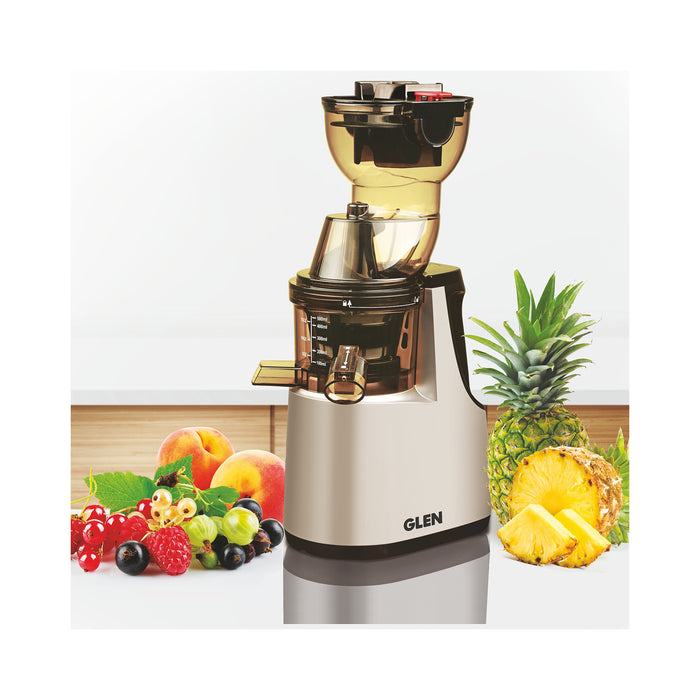
⚡ Product Link: GL-4018 Cold Press Slow Juicer
Is a Cold Press Juicer Worth the Price in India?
When evaluating juicer price in the Indian market, cold press models do sit at a higher price point than basic centrifugal machines. But the right question is not just what it costs, it is what it costs you not to invest in one.
A cold-press juicer machine is worth it if you:
● Drink juice daily or plan to make it a regular habit
● Prioritise nutrition and want to reduce processed drink consumption
● Are you looking for long-term value from a kitchen appliance
It may not be the right fit if you juice only occasionally or need something purely for speed and convenience. The best juicer is ultimately the one that aligns with your lifestyle and the one you will actually use every single day.
Why Are Slow Juicers the Best Healthy Summer Appliances?
Summer in India means heat, dehydration, and a constant need for something refreshing. A slow electric juicer machine fits perfectly into that context. It gives you fresh, chemical-free drinks with no added sugar, no preservatives, and no compromise on taste. Whether it is a watermelon juice in the afternoon, a carrot-ginger blend before a workout, or a green detox first thing in the morning, a mini juicer can slot effortlessly into your daily routine.
If you are looking for a reliable option backed by years of kitchen appliance expertise, Glen Appliances offers a range of cold-press and slow juicers built for Indian households. This brand combines thoughtful design with durable performance, making their juicer machine lineup a strong choice for anyone serious about making fresh juicing a consistent part of their summer lifestyle.
Invest in Health- Pick the Best Juicer for Your Lifestyle
Cold-press juicing is not just another health fad that will fade by next season. It is a genuinely better way to get more out of your fruits and vegetables every single day. Lower RPM keeps the heat and oxidation down, which means your juice holds onto more of its vitamins and enzymes. Slower extraction gives you richer flavour and better quality in every glass. And when something tastes this good, you actually stick with it, and that consistency is what makes the real difference to your health over time.
So if you are thinking about picking up a juicer machine, do not get distracted by big numbers or flashy features. Just ask yourself: will I use this every day? Because the best juicer is not the most expensive one on the shelf, it is the one that fits your mornings, your kitchen, and your routine without any fuss.
That is exactly what Glen Appliances has built their slow juicers around, practical, well-designed machines made for real Indian households. Whether you are just starting your juicing journey or ready to upgrade, Glen Appliances gives you a reliable place to start.
FAQs
What is the difference between a slow juicer and a regular juicer machine?
A slow juicer machine gently crushes and presses your produce to extract juice, while regular juicers spin at high speed, building up heat in the process. That heat is what quietly kills the nutrients and brings down the overall quality of your juice.
Does RPM really affect nutrient retention in juicers?
It genuinely does. Lower RPM means less heat and less oxidation, so more of the vitamins, enzymes, and natural goodness in your fruits and vegetables actually make it into your glass rather than getting lost in the process.
Is a cold-press juicer better than a blender?
They do different jobs. A cold-press juicer separates the pulp and gives you smooth, drinkable juice. A blender keeps all the fibre in, giving you something thicker, more like a smoothie. Neither is wrong, but they are not the same thing.
What is the ideal RPM for an electric juicer machine?
For a slow electric juicer machine, anywhere between 40 and 80 RPM is the sweet spot. That range gives you the best balance of nutrient retention and juice quality without rushing the extraction.
Do I need to peel fruits before using a juice maker machine?
Not always. Most fruits and vegetables can go straight in after a good wash. The exception is citrus fruits like oranges and lemons, those are better peeled before you put them through your juice maker machine.
How long can I store juice made in a small juicer?
You can refrigerate it for a short while, but honestly, fresh is best. Juice from a small juicer tastes better and gives you more nutrition when consumed right after making it, especially during summer.
What is the best juicer for daily summer use?
A slow cold-press juicer is hard to beat for everyday use. It runs quietly, extracts more juice from your produce, and gives you better quality in every glass, which is exactly what you need to stay consistent through the summer.
Leave a comment