 9717156666 (sales)






I can't believe people still think dishwashers last forever...
If you're still clinging to your old built-in dishwasher, hoping it’ll keep running for another decade, I hate to break it to you, it won’t.
Dishwashers, like all appliances, have a lifespan, and once they hit a certain age, they start demanding more repairs, using more energy, and delivering less-than-perfect results.
But how do you know when it’s time to replace yours? Is it when your dishes come out dirty, or when it starts making strange noises?
This article will help you determine the time to replace your outdated models with new age dishwashers.
Credits: Glen India
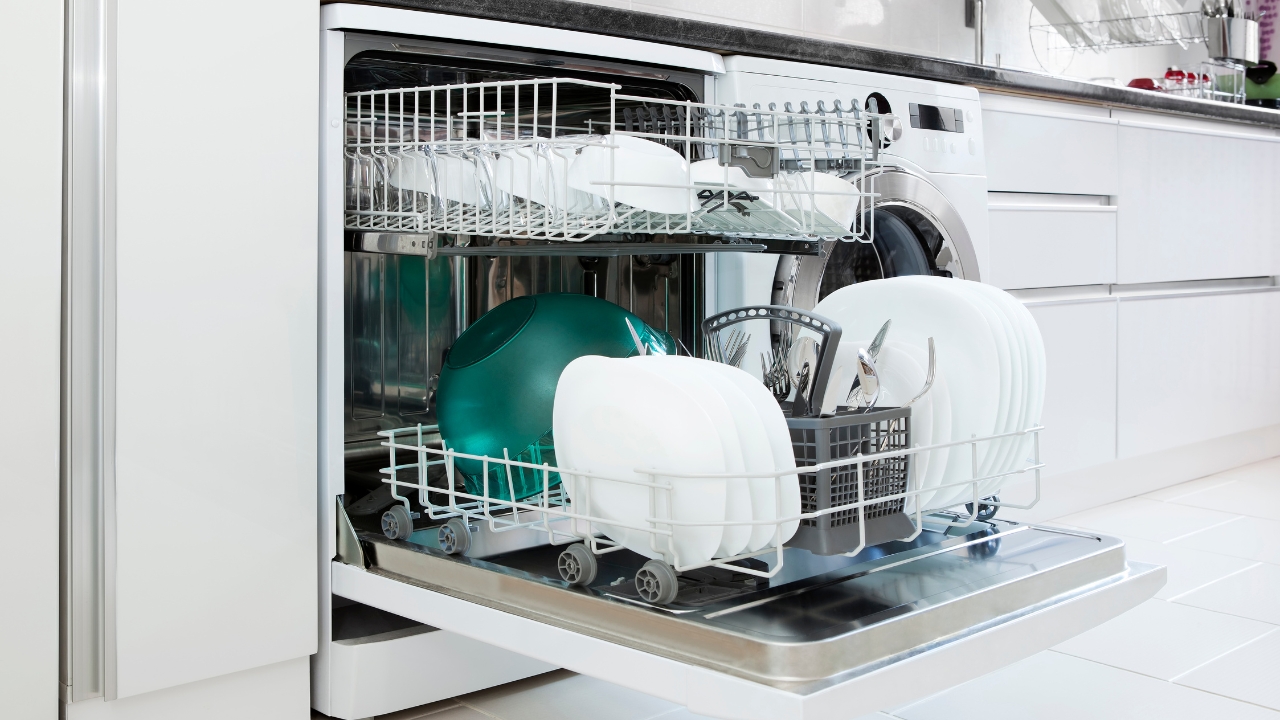
Most built-in dishwashers function between eight to twelve years. You need to think about replacing your dishwasher since it has reached or exceeded its typical lifespan.
Credits: Glen India
Dirty dishes in a dishwasher represent a critical warning sign since cleaning dishes is the machine's main purpose.
The dishwasher becomes less effective at cleaning due to aging of spray arms filters and motor components.
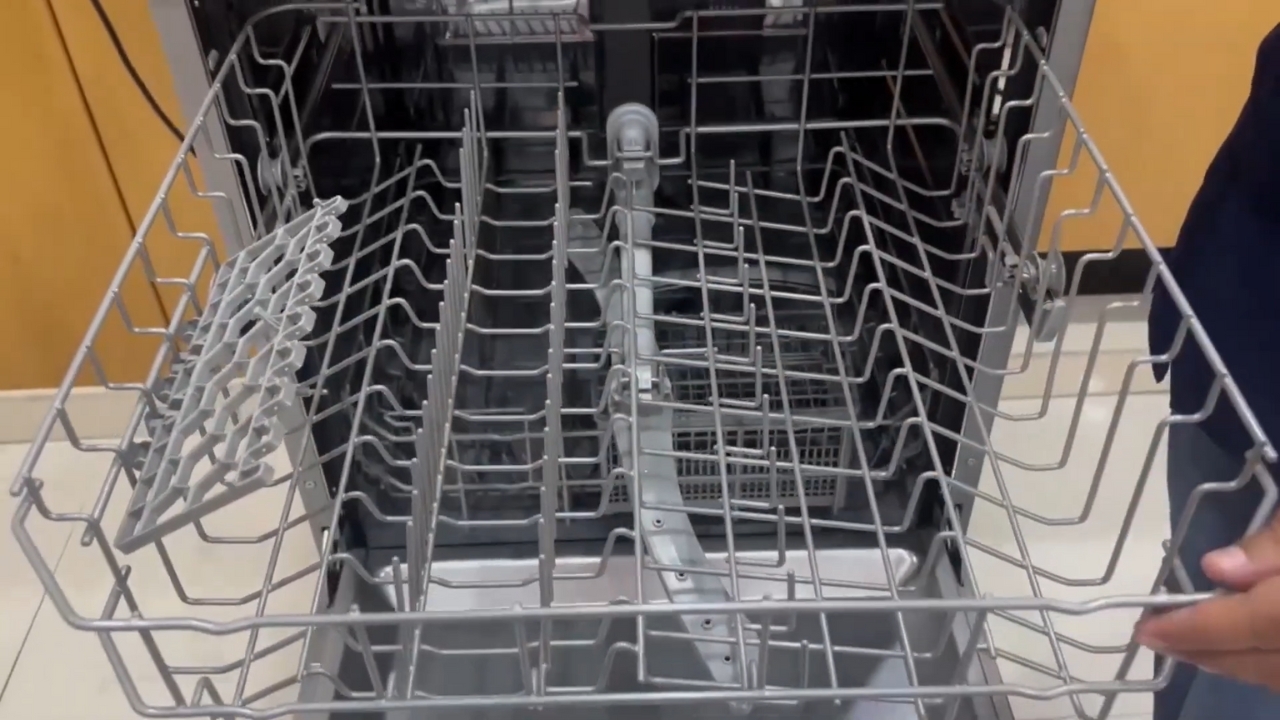
Any sign of leaking from a dishwasher represents an urgent matter which should always receive immediate attention.
A recurrent presence of water puddles near your dishwasher during cycling indicates either a failure of internal door gasket, pump or deterioration of internal seals.
Credits: Glen India
Dishwashers normally function with a reasonable volume level and current dishwasher models create less noise than their predecessors.
The noises of loud grinding, rattling and humming from your dishwasher often indicate that motor bearings are worn out or the spray arms are clogged or internal components have become damaged.
Credits: Glen India
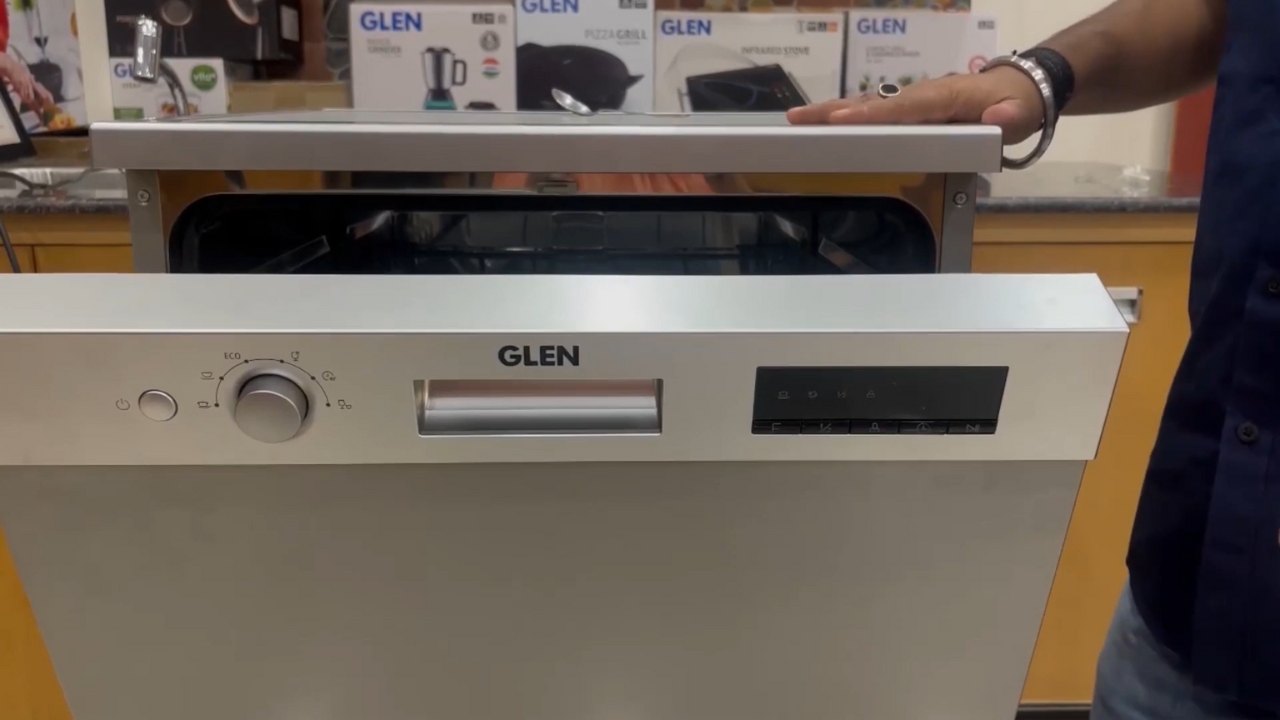
The failure of your dishwasher door to lock properly creates three major problems including flooded leakage plus subpar cleanup and unsafe operating conditions.
A dishwasher replacement becomes necessary when a faulty door latch joins with other mechanical failures although it presents a small issue when considered by itself.
A deep cleaning of a dishwasher should get rid of all existing odors even though food particles and grease accumulate naturally over time.
The presence of persistent foul odors suggests the existence of mold together with mildew or grime in inaccessible spots of the dishwasher.
Replacements become necessary when a dishwasher develops persistently bad odors that cannot be solved by maintenance checks because it signals that one or more components have become clogged or broken.
Today's dishwashing technology includes features for automatic sensors as well as eco-friendly operation and wireless capabilities. Upgrading from an out-of-date dishwasher with new features that include auto sensors enables better efficiency during operation.
The smart dishwasher system detects soil levels to optimize its water pressure and cycling duration thus saving water resources and electrical consumption automatically.
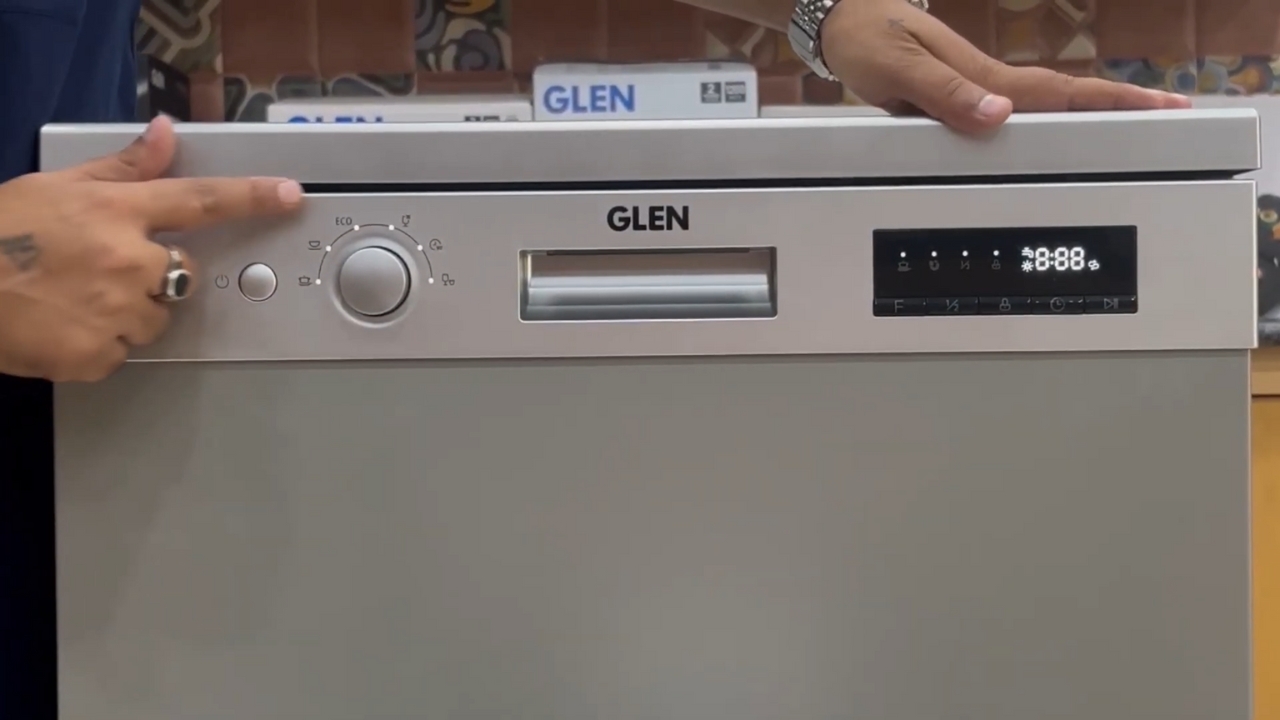
Glen India provides various built-in dishwashers with excellent performance and technological advancement.



In stock
Delivered in 3-7 days
Try clearing some filters or try searching some other keywords

Leave a comment