




Why a Good Cooktop Is Important in an Indian Kitchen
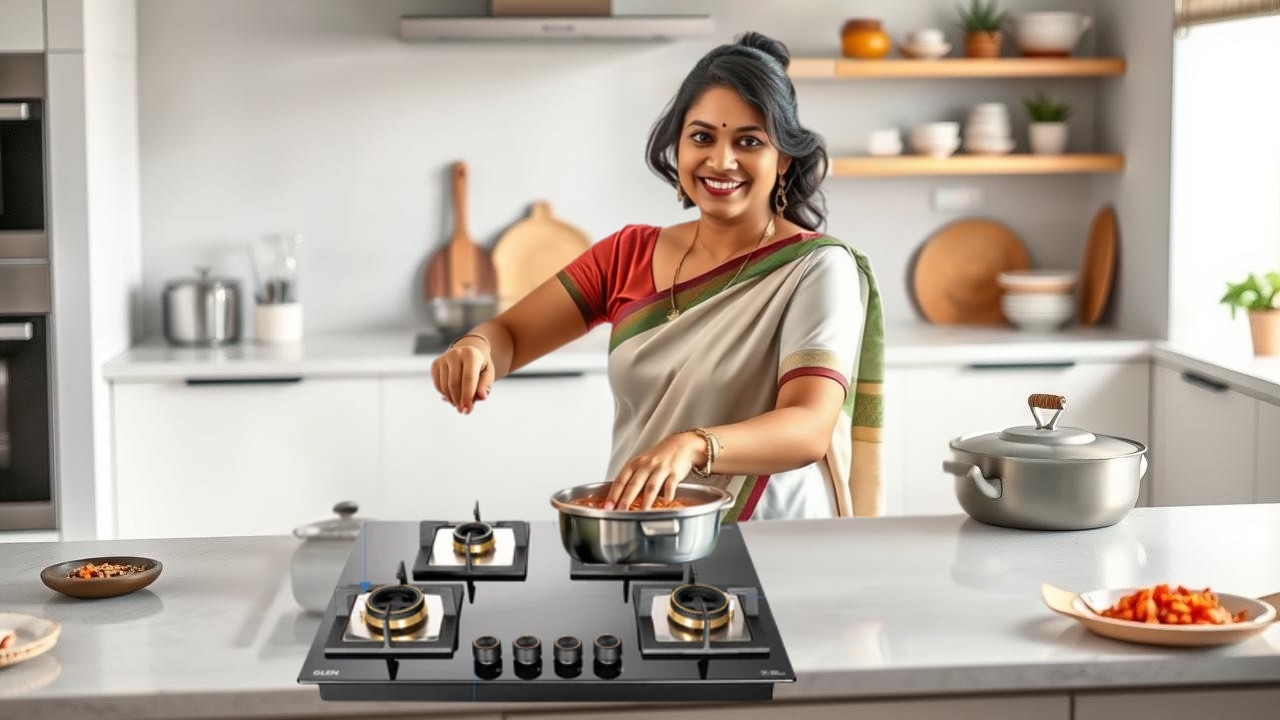
You are in your kitchen rolling out chapatis while your stove keeps a pot of dal simmering. While you roll out chapatis and simmer dal you could also prepare quick pakora snacks by frying them simultaneously.
Most Indian homes prepare two or three dishes at once during cooking sessions which can include preparing piping hot sambar with sautéed vegetables and cooking a pot of rice. The multi-tasking capability of your cooktop or gas stove elevates it to more than just an appliance since it serves as the kitchen center point where meals and family life intersect.
Gas stoves developed from simple metal units with visible flames to sophisticated glass surfaces equipped with advanced safety mechanisms and several burners. The selection of built-in hobs for modern homes has exploded after people began choosing them for their sleek and minimalistic appearance.
This guide will help you understand the key differences between freestanding gas stoves and built-in hobs and show you how to select the proper burner count and essential safety features while teaching you to maintain your cooktop so it lasts many years.
Indian Cooking Needs: Understanding Your Requirements
Credits: Glen India
Every Indian kitchen has its own unique rhythm. Some of us are big families who need to cook large quantities of rice and multiple curries, while others might do smaller, quicker meals a few times a week. Before clicking that “Buy” button, take a moment to reflect on your personal cooking habits:
Daily Cooking vs. Occasional Cooking
If you cook daily for a large family and often prepare multiple dishes simultaneously, you might want a cooktop with four or more burners. On the other hand, a smaller household or someone who cooks only a few items might do just fine with a two-burner stove.
Types of Dishes Prepared
Do you frequently make items that require high heat, like stir-fries or deep-fried snacks? If yes, a high-flame burner could be a game-changer. For slow cooking dals, curries, or biryani, you might prefer a simmer burner that doesn’t burn your food even if it’s on the stove for long.
Kitchen Layout
Think about your kitchen’s layout and where you plan to place the stove or hob. Do you have enough counter space for a larger unit? Is a built-in option feasible? For many Indian moms who have a busy cooking schedule, having enough counter space on either side for chopping vegetables or placing dishes can be crucial. By taking a quick stock of these details, you’ll be much closer to identifying which stove or hob configuration will serve you best.
Gas Stove vs. Built-In Hob: Which One Is Right for You?
Credits: Glen India
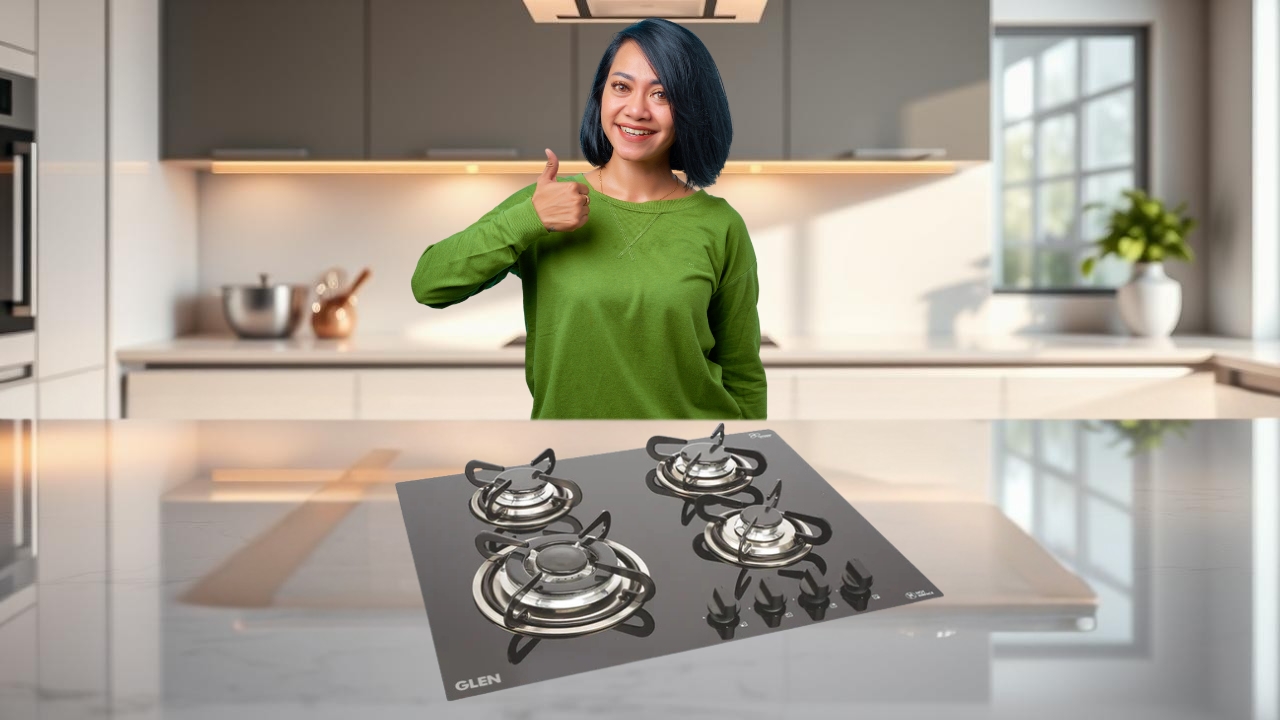
One of the biggest decisions you’ll face is whether to go for a freestanding gas stove or a built-in hob. Both are popular in India, and each comes with its own set of pros and cons:
Freestanding Gas Stove
What It Is:
A stove that stands on four legs or has a flat base. You can place it on a kitchen counter or tabletop.
Pros:
- Easy to Move or Replace: If you shift homes or just want a different spot in the kitchen, it’s simpler to relocate.
- Lower Cost: Freestanding gas stoves are generally less expensive.
- Simple Installation: Usually, you just connect it to your LPG cylinder or pipeline, and you’re good to go.
Cons:
- Less Sleek Appearance: The stove can look a bit bulky, especially in a modern kitchen setup.
- Counter Space: Some designs occupy more counter space or have an awkward shape.
Built-In Hob
What It Is:
A cooking unit that fits into a cutout in your kitchen countertop, giving a seamless, integrated look.
Pros:
- Stylish and Modern: Hobs sit flush with the countertop, offering a sleek design that appeals to many contemporary Indian homes.
- Easier to Clean the Counter: Since there’s no gap underneath, it’s simpler to wipe down the counter around it.
- Premium Features: Many built-in hobs come with advanced safety and auto-ignition features.
Cons:
- Higher Cost: Built-in hobs can be more expensive to buy and install.
- Complex Installation: You’ll likely need a professional to make the correct cutout and fit the hob.
- Less Flexibility: Once installed, you can’t easily move it around or switch positions.
Decision Tip:
If you’re living in rented accommodation or plan to move around, a freestanding gas stove might be more practical. If you own your home and want a modern look, consider investing in a built-in hob.
Number of Burners: How Many Is Enough?
Credits: Glen India
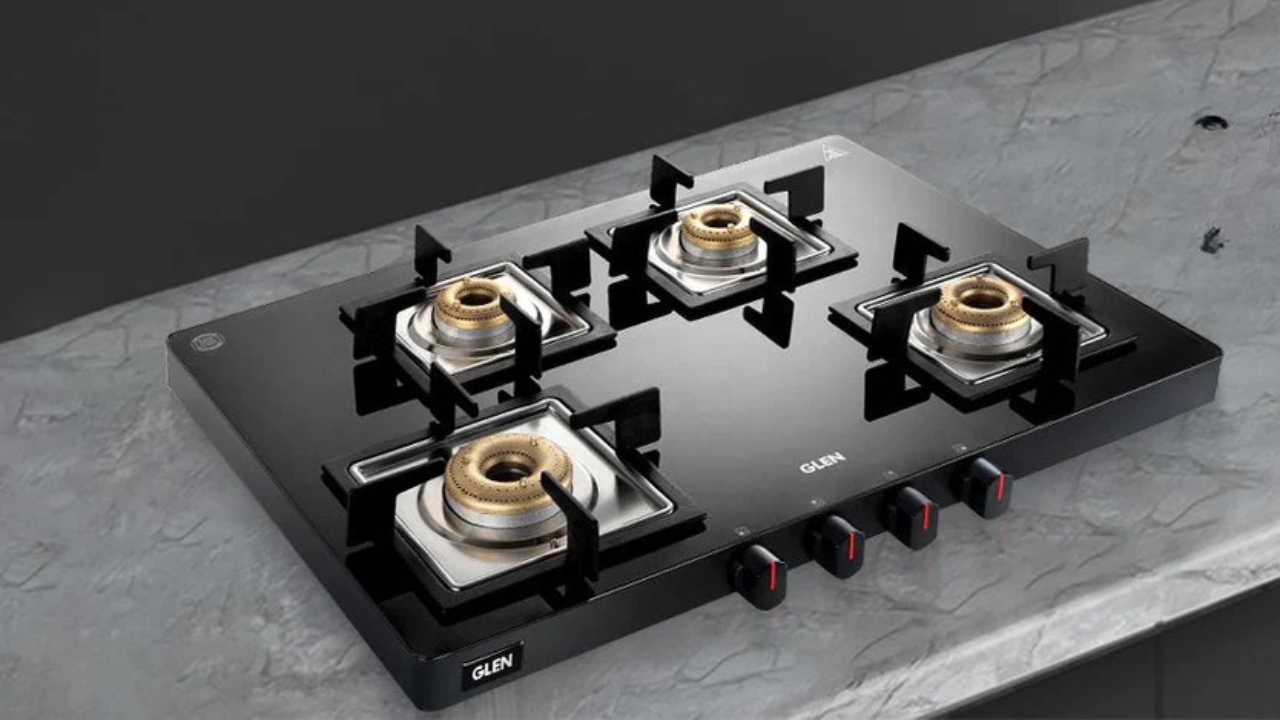
In many Indian households, having extra burners can save time—imagine making dal, rice, and roti all at once! But more burners aren’t always the best choice if space is tight or you rarely cook multiple dishes together.
2-Burner Stoves:
Ideal for bachelors, couples, or small families. They occupy less space and are usually more budget-friendly.
3-Burner Stoves:
A middle path if you cook moderately but still want the flexibility of an extra burner for quick side dishes or a tadka pan.
4-Burner Stoves:
Perfect for larger families or those who love to cook up a storm—think festive meals or dinner parties.
5 or More Burners:
Usually for very large families or passionate cooks who juggle multiple dishes simultaneously. They also lend a more professional appearance to your kitchen.
Keep in Mind:
The distance between burners is also crucial. Some stoves cram four burners into a small space, which can make it hard to fit large pots side by side.
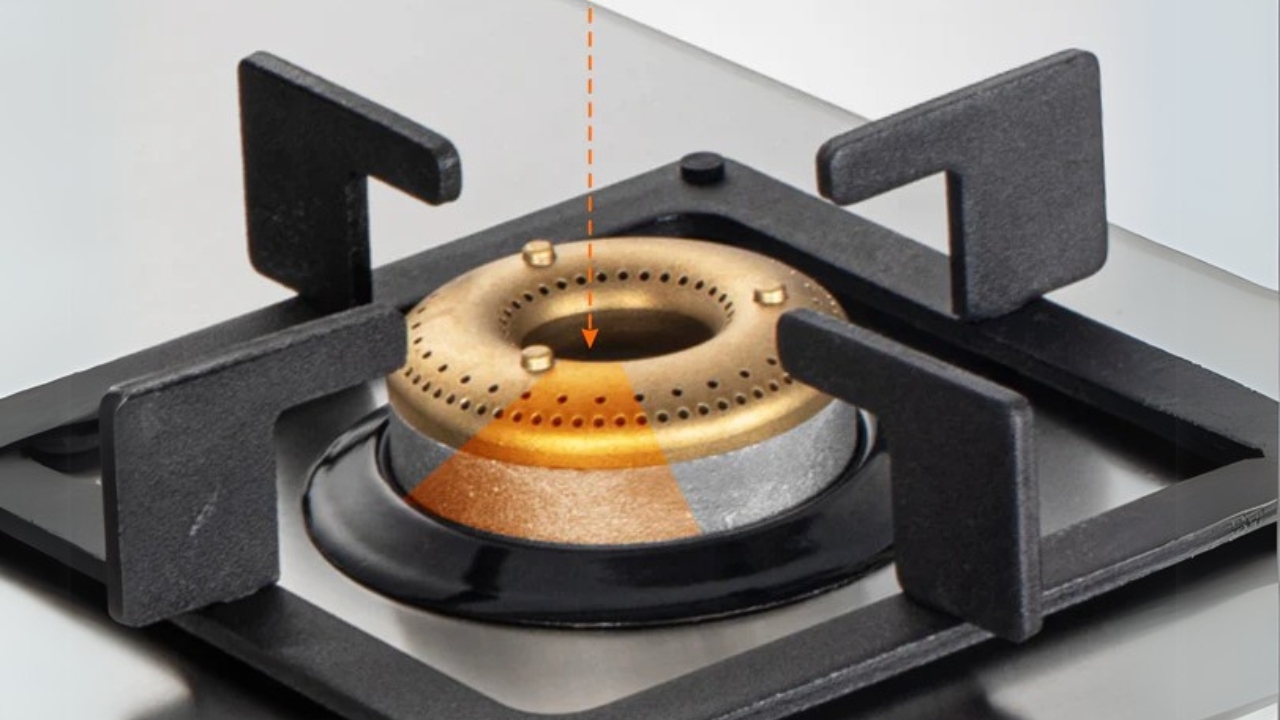
Burner Material: Brass vs. Aluminum
Credits: Glen India
When comparing stoves or hobs online, you’ll often see “brass burners” or “aluminum burners” mentioned.
Brass Burners:
Advantages:
- Durable, efficient in distributing heat, and resistant to corrosion.
Why It Matters for Indian Cooking:
We often use large cookware and cook dishes that need high or extended heat. Brass handles this well.
Aluminum Burners:
Advantages:
- Lightweight and generally cheaper.
Considerations:
Might corrode faster than brass and may not offer the same long-term performance. If your budget allows, brass burners are often a better pick for longevity and consistent cooking results.
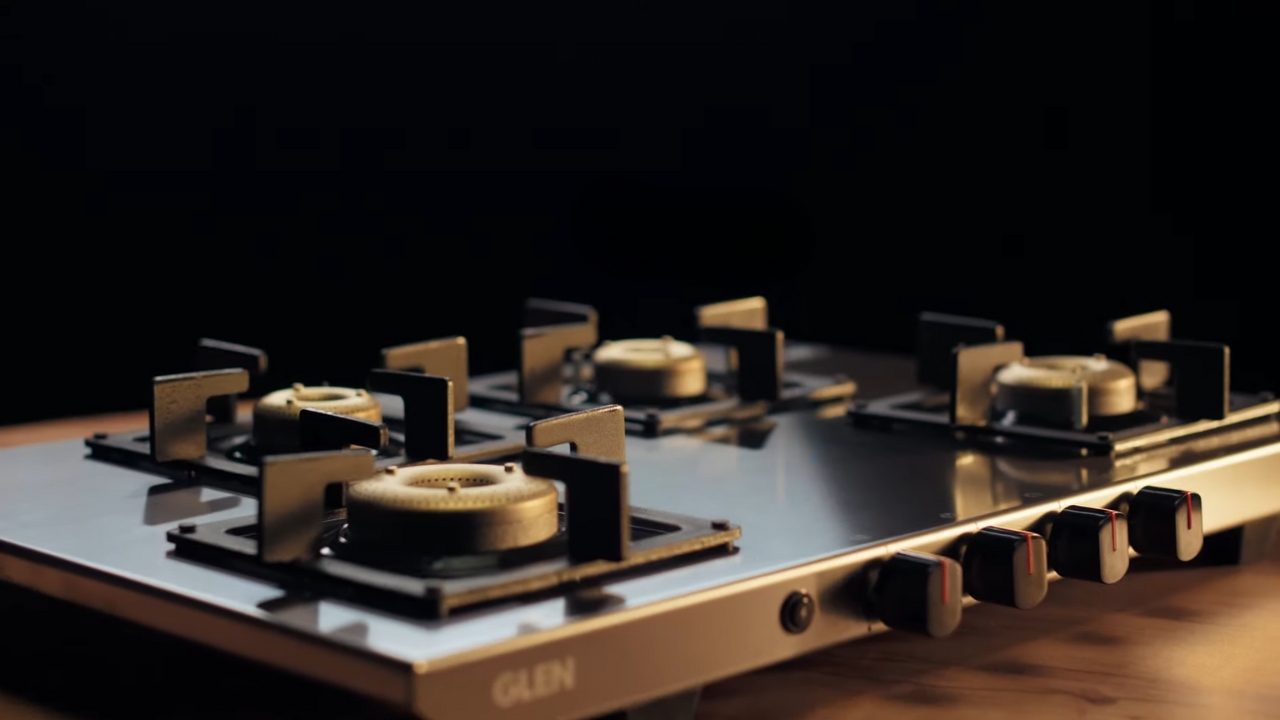
Surface Materials: Stainless Steel vs. Glass Tops
Credits: Glen India
Modern kitchens frequently feature elegant glass-top stoves, but stainless-steel surfaces continue to be favorites in many Indian households. Each has its own advantages:
Stainless Steel Surfaces
Pros:
- Tough, cost-effective, doesn’t easily break or crack.
Cons:
- Can get scratched or stained over time, and requires regular wiping to stay spotless.
Glass Tops (Tempered Glass)
Pros:
- Stylish, easy to clean, adds a premium look to the kitchen.
Cons:
- Slightly more expensive, and while it’s tempered for strength, a very hard impact could crack it (though rare in normal use).
Practical Tip:
If you have younger kids at home who might bang utensils or if you’re concerned about heavy-handed usage, a high-quality stainless-steel stove could be a safer bet. If you love a modern, upscale look and take reasonable care, a glass top will serve you well for years.
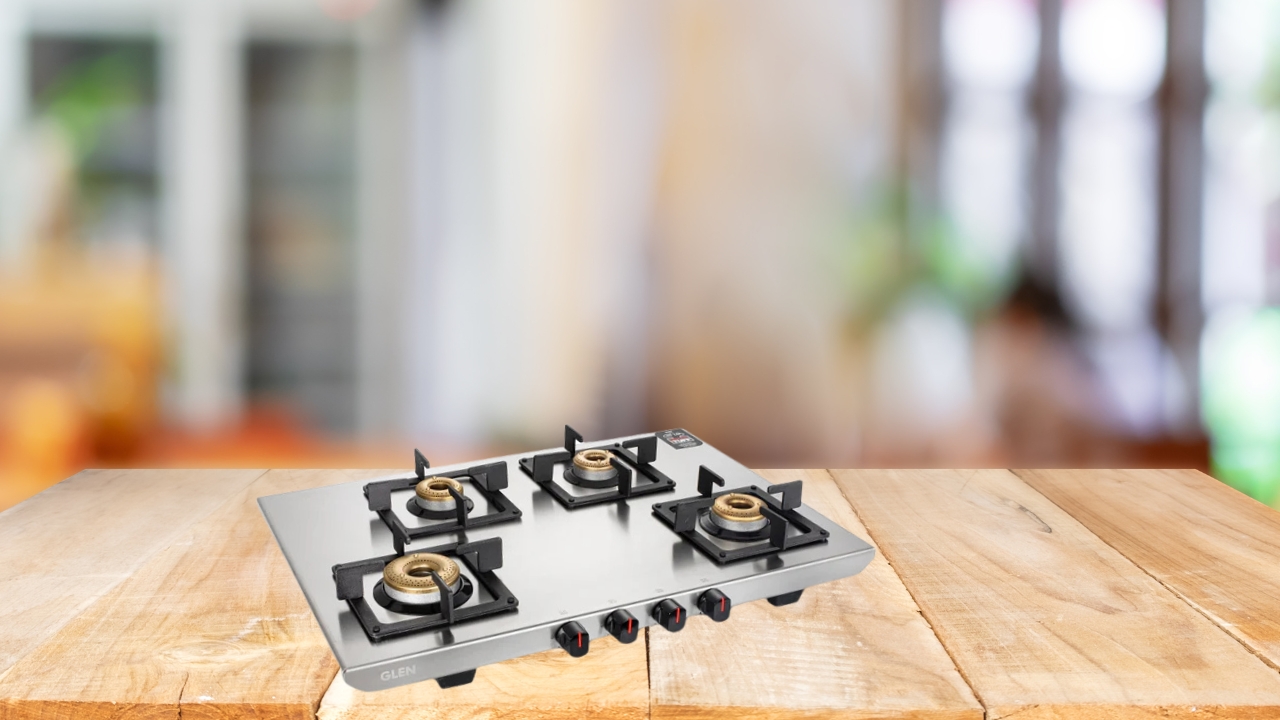
Ignition Type: Manual or Auto?
Credits: Glen India
Manual Ignition:
You need a lighter or matchstick to light the burner. This is the traditional method most of us grew up with.
Auto Ignition:
The spark is generated electronically, often through battery-powered mechanisms in gas stoves. You simply turn the knob, and the burner lights up instantly.
Safety Note:
If opting for auto ignition, choose a stove with safety features that cut off the gas if the flame accidentally goes out. This is especially reassuring for busy moms who might have multiple things on the stove at once.
Essential Safety Features: Cooking with Confidence
In bustling Indian kitchens—especially those with kids who love to peek at what’s cooking—safety is paramount. Here are some must-check safety features:
Flame Failure Device (FFD)
Automatically stops gas flow if the flame goes out. This can be a lifesaver if something boils over or a gust of wind from a window extinguishes the burner.
Sturdy Pan Supports
Make sure the stove has robust, non-skid supports that can hold heavy kadhais or large pressure cookers.
Child Lock
Some advanced models have a lock mechanism on knobs, preventing them from turning accidentally—useful for homes with curious toddlers.
Heat-Resistant Knobs
High-quality knobs that don’t get too hot during cooking can prevent burns and make the cooking experience smoother.
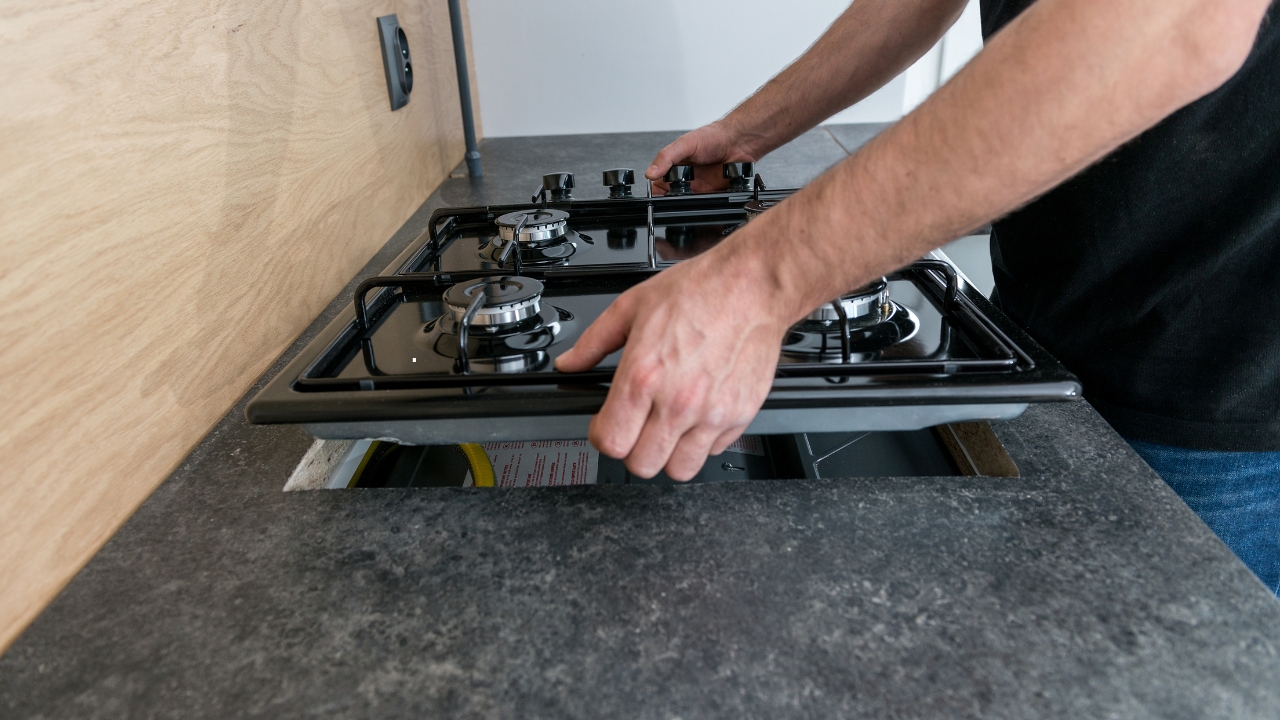
Fitting and Installation: Getting It Right the First Time
Credits: Glen India
Once you’ve chosen your stove, it’s time to think about installation:
Freestanding Stove:
Typically easier. Just place it on a stable surface and connect to the gas supply. Ensure the hose is in good condition and the regulator is properly fitted.
Built-In Hob:
Requires a cutout in your countertop. You might want to consult a carpenter or a professional installer for precise measurements. After fitting the hob, check for any gaps or uneven edges where spills could accumulate.
Pro Tip:
Always do a quick leak test after installation. Apply soapy water around the gas connections; if you see bubbles, shut off the gas and recheck the fittings.
Checking Dimensions: No Surprises Later
Before finalizing your order online, closely examine the product’s dimensions to avoid any surprises:
-
Length and Width:
Ensure the stove fits on your counter without consuming all the available space.
For built-in hobs, check if your countertop can be cut (or already has a cut) to accommodate the stove. -
Height or Depth:
Some built-in hobs sit deeper and need space below the countertop. Ensure that there are no drawers or obstructions underneath. -
Surrounding Space:
Many Indian households use the countertop edges for chopping or placing frequently used masala dabbas (spice boxes). Make sure your stove doesn’t restrict your movement or available space.
Maintenance and Cleaning Tips: Keeping It Sparkling
A clean stove not only looks good but also performs better. Regular maintenance can extend the life of your cooktop:
-
Quick Wipe After Each Use:
Once you’re done cooking and the surface cools a bit, wipe away spills with a soft cloth. This prevents food from drying and sticking. -
Weekly Deep Cleaning:
Remove burners and soak them in warm soapy water. Scrub gently to remove grease or leftover food bits. Clean pan supports similarly—cast iron supports may need gentle scrubbing and thorough drying to avoid rust. -
Glass Surfaces:
Use a mild cleaning solution or glass cleaner. Avoid abrasive scrubbers that can scratch the surface. -
Avoid Spillage on Knobs:
Liquids seeping under knobs can affect auto ignition. Wipe them clean and dry carefully.
By staying consistent with these habits, you’ll ensure your stove or hob stays looking as good as new for a long time.
Mistakes to Avoid When Shopping Online
Credits: Glen India
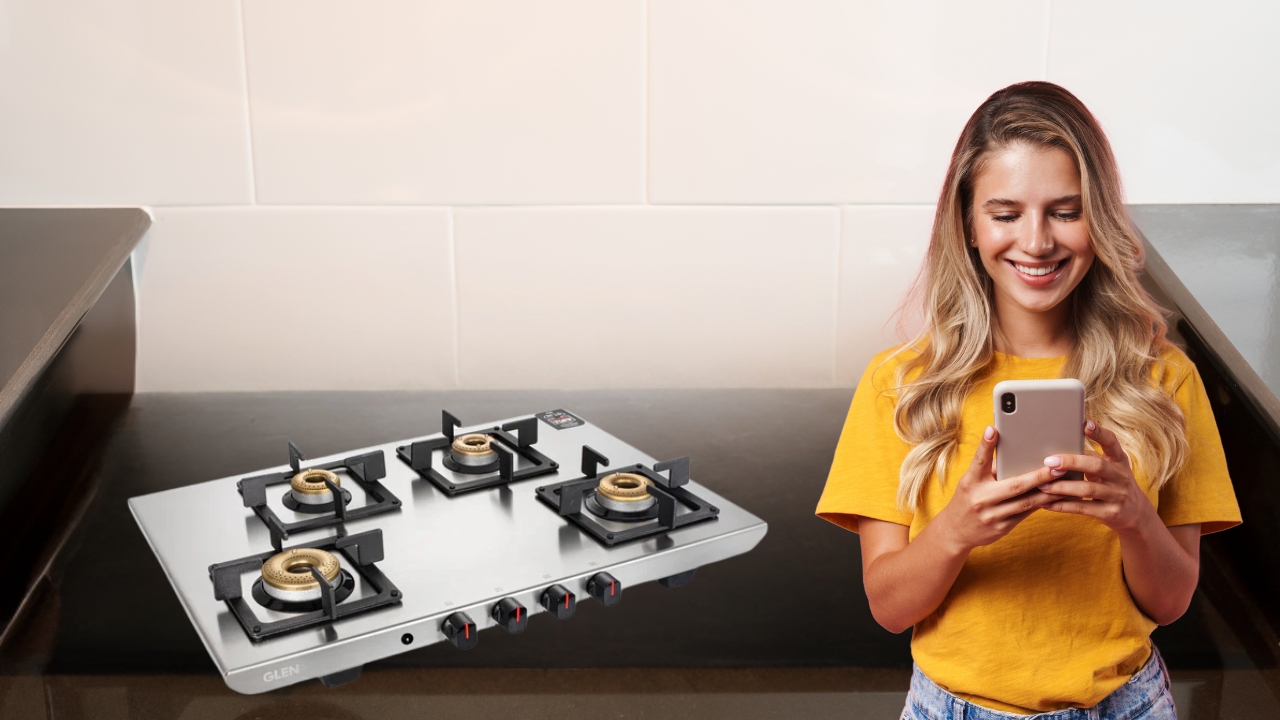
While online shopping is convenient, avoid hasty decisions by keeping these points in mind:
-
Not Reading Reviews:
Real-life user feedback is incredibly helpful. Look for comments on durability, ease of installation, and after-sales service. -
Ignoring Return & Replacement Policies:
Always check the return window. If the stove arrives damaged or doesn’t fit your kitchen, ensure you have a reliable return procedure. -
Choosing the Cheapest Option Only by Price:
A low price might come with compromises—poor burner quality, fragile knobs, or missing safety features. Balance cost with quality. -
Forgetting to Check Gas Type Compatibility:
In some cities, piped natural gas (PNG) is common, while in others, LPG cylinders are used. Make sure your chosen model is compatible with the gas source you have.
Budgeting Wisely: Balancing Cost and Quality
For many Indian families, the kitchen budget is planned carefully. Gas stoves and hobs come in a wide price range:
-
Basic 2-Burner Stoves:
Start at very affordable prices. A great choice for those with limited cooking needs or a tight budget. -
Mid-Range Options:
Usually three or four burners, decent build quality, and may include features like auto ignition or toughened glass tops. -
Premium Models:
These could be hobs or high-end gas stoves with advanced safety features, multiple burners (sometimes even five), and excellent build quality. -
Long-Term Perspective:
Spending a bit more on better burners and safety features can pay off if you cook multiple meals daily. You’ll avoid frequent breakdowns and expensive repairs.
Matching Your Kitchen Style: Looks Matter, Too
In many modern Indian homes, the kitchen is becoming an open, welcoming space. Aesthetics matter:
-
Stainless Steel for a Classic Look:
Durable, timeless, and suitable for both traditional and modern kitchens. -
Black or Colored Glass Tops:
Adds a contemporary, chic appeal. If you have a modular kitchen with granite or quartz countertops, a matching glass hob can elevate the overall look. -
Knob Designs and Finishes:
Some stoves come with stylish metallic knobs or special matte finishes. It’s a small detail but can pull the entire look together.
Think about your other appliances and color schemes. Matching or complementary finishes can make your kitchen feel more organized and appealing.
Reading User Reviews and Ratings: The Insider’s Perspective
One of the biggest advantages of online shopping is access to genuine user experiences:
-
Detailed Reviews:
Look for reviews that discuss daily usage, not just unboxing. Does the auto ignition work well? Are the burners easy to clean? -
Negative Reviews:
Don’t dismiss a product because of a few negative comments. Focus on recurring issues: If multiple people complain about poor customer service or burner failures, take it as a red flag. -
Questions & Answers Section:
Many e-commerce sites have a Q&A where buyers ask real-world questions. Read through these; someone may have had the same concern as you.
Online vs. Offline Shopping: Pros and Cons
Credits: Glen India
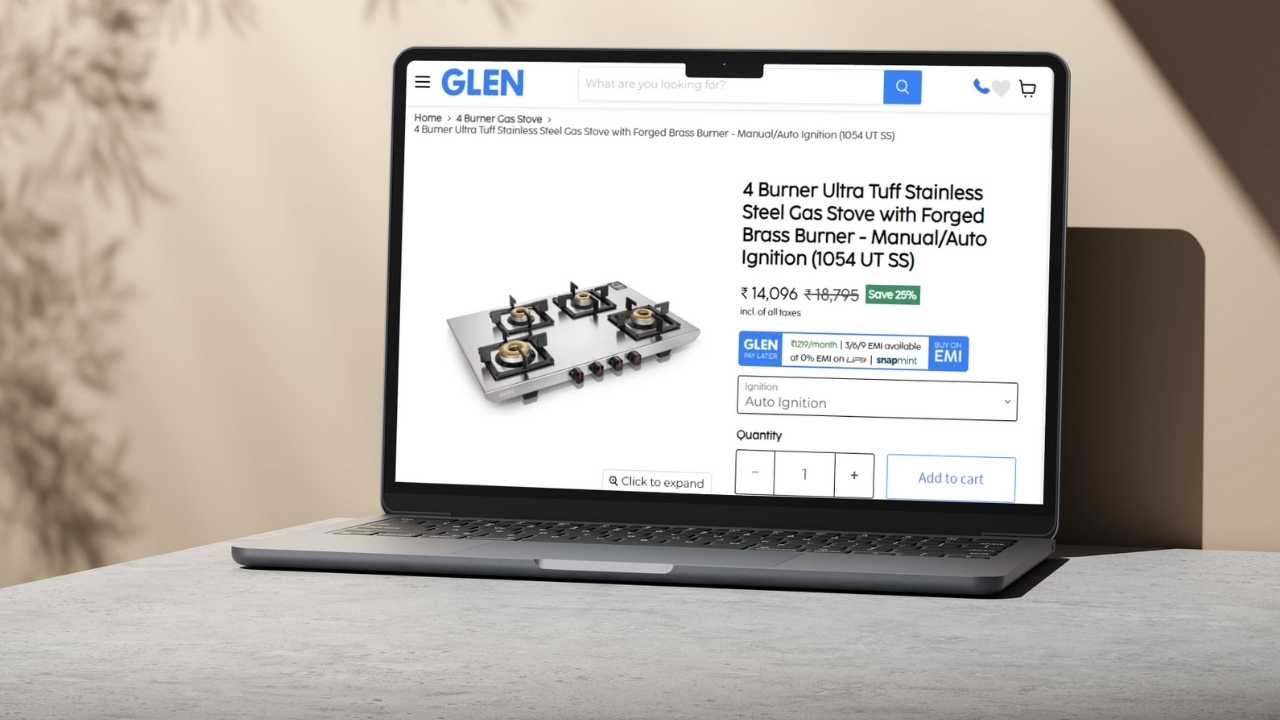
- Online Shopping
- Pros:
- Wide Range: Compare multiple brands and models without visiting stores.
- User Reviews: Access real-life experiences instantly.
- Convenience: Shop at any time, from the comfort of your home.
- Deals & Discounts: Online platforms frequently offer sales or cashback.
- Cons:
- No Physical Inspection: You can’t see or test the product in person.
- Delivery Delays: Occasionally, your package might get delayed or damaged.
- Offline Shopping
- Pros:
- Hands-On Experience: Examine the stove, test the knobs, and check the space around burners.
- Immediate Purchase: You can take the product home the same day.
- Cons:
- Limited Choices: Some stores may not carry the full range of models.
- Possibly Higher Price: Retailers have overhead costs, meaning higher prices.
-
What Many Indian Moms Do:
Research online (to read reviews and compare prices) and, if possible, visit a local store to physically inspect the product. This way, you get the best of both worlds.
Upgrading from an Old Stove: What Changes?
Ready to say goodbye to your old stove? Here's what to expect:
-
Adjusting to New Features:
Transitioning to auto ignition might take some practice but it’s more convenient. Advanced stoves also offer multi-flame burners that can quickly switch between simmer and high flame. -
Kitchen Counter Adjustments:
Measure your old stove’s footprint and compare it to your new choice. You may need to rearrange items on your countertop to fit the new model. -
Cleaner Aesthetic:
Newer stoves, especially glass tops, can make your kitchen look fresh and modern. You may even feel motivated to reorganize your spice rack! -
Safety Upgrades:
Flame failure devices or child locks offer peace of mind, especially in busy households.
Considering Smart or Modern Features
Technology is making its way into Indian kitchens. While not everyone needs a “smart” stove, here’s a look at what’s available:
-
Touch Control Panels:
Some built-in hobs have touch sensors instead of knobs, giving a sleek, minimalist look. -
Digital Timers:
Handy for slow cooking or setting specific cooking times (though many Indian cooks rely on pressure cooker whistles or their own intuition!). -
Wi-Fi & App Connectivity:
Still rare in Indian gas stoves, but some premium brands are experimenting with features that let you control flame levels via a smartphone. -
Practical View:
While exciting, these features add to the cost. If you're a traditional cook, a simple stove with reliable safety features might be all you need.
Common Troubleshooting Tips
Small issues may arise, even with high-quality stoves:
-
Burner Won’t Ignite Properly:
Clean the burner ports, as food or masala can clog them. Also, check if the burner cap is positioned correctly. -
Uneven Flame:
Ensure the burner is clean and you’re using the right gas type (LPG vs. PNG). -
Auto Ignition Doesn’t Spark:
If battery-powered, check or replace the battery. For electric models, ensure the power socket is working. -
Gas Smell:
Immediately turn off the burner and check connections for leaks. Use the soap-water test to detect any leaks. If the issue persists, call a technician.
Tips for Long-Term Use and Energy Efficiency
Small adjustments can make a big difference:
-
Use the Right Vessel Size:
Avoid using small pans on large burners as it wastes heat. -
Keep the Flame Blue:
A yellow or orange flame could indicate incomplete burning or a clogged burner. -
Lid It:
Cover your dishes while cooking to speed up the process and save fuel. -
Regular Maintenance:
Schedule a professional check-up every year or two, especially if you use your gas stove extensively.
These small changes can help you save on gas cylinders (or your monthly gas bill, if you have a pipeline) and maintain a safer, more pleasant kitchen environment.
Planning for the Future: Does Your Stove Grow with You?

Credits: FLUX.1
Think about how your cooking habits might change over the next few years:
-
Growing Family:
If you’re planning to expand your family or often host relatives, having extra burners might be useful. -
Diet Changes:
If you’re embracing healthier meals that involve soups, grilled veggies, or multi-dish cooking, invest in a stove that can handle varied cooking techniques. -
Kitchen Renovation Plans:
Even if you don’t want a built-in hob right now, keep the possibility open if you’re renovating your kitchen soon. Plan the counter layout accordingly.
Putting It All Together: Your Step-by-Step Online Buying Checklist
Measure Your Space: Know exactly how much counter area you have and the depth available if you’re considering a hob.
Decide on Burners: Based on your cooking frequency and number of family members, pick the ideal burner count.
Choose the Right Material: Stainless steel or glass top? Both are good—but which fits your style, usage, and budget best?
Check Safety and Convenience Features: Flame failure, sturdy pan supports, auto ignition—make a small list of “must-have” features.
Compare Prices and Reviews: Shortlist at least two or three models. Check user reviews, ratings, and brand reputation.
Read Return Policies: Ensure you know what to do if the product arrives damaged or doesn’t fit.
Look for Warranty: At least a one-year warranty is standard. Some brands offer extended coverage on the glass top or burners.
Plan Installation: If you’re going for a hob, arrange for professional help. For a regular stove, ensure you have the proper regulator and pipes.
By following these steps, you’ll minimize the chances of any unpleasant surprises once your new stove or hob arrives at your doorstep.
Embrace the Joy of Cooking
A good stove can truly change how you feel about cooking. Instead of seeing meal prep as just another chore, an efficient, well-chosen cooktop can make the experience smoother and more enjoyable—especially when you can manage multiple pots and pans without juggling burners. For Indian moms who balance so many tasks at once, having a reliable stove is like having a silent kitchen assistant that never complains!
Cooking is also a way we show love in our homes. A well-chosen stove can make you feel proud every time you cook, knowing your choice helps you serve your family fresh, nutritious meals every day. Glen India offers various such appliances that are proven to be at your best interest, for your kitchen.
Happy cooking, and may your kitchen always be filled with great aromas, warmth, and love!
Leave a comment